MYTH.
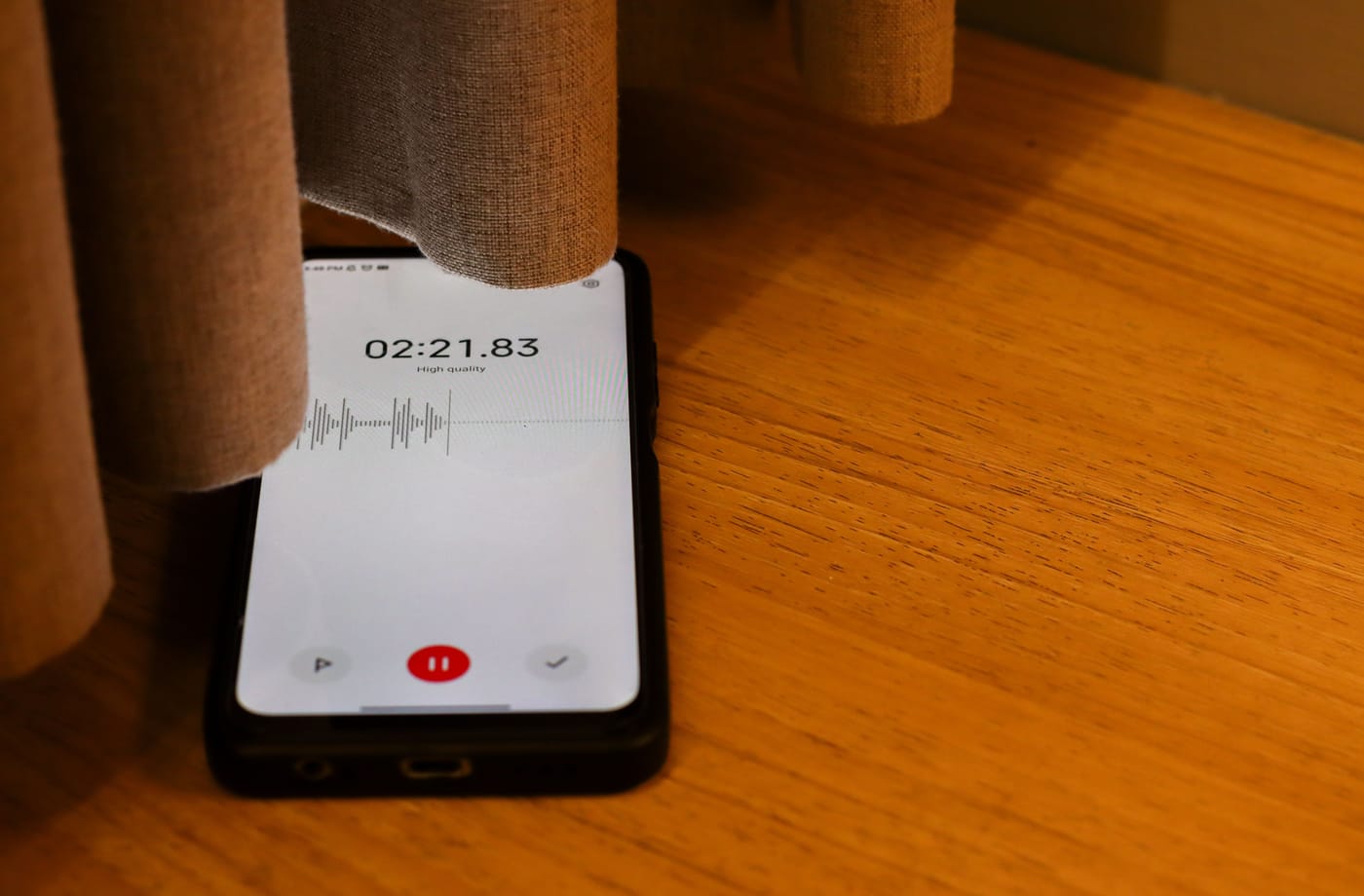
It feels airtight. You mention something out loud — a vacation, a product, a craving — and within hours an ad for it shows up in your feed. The logical conclusion is that your phone is eavesdropping.
The belief is so widespread that it regularly trends on social media, and polls show the majority of smartphone users suspect their microphone is being used without their knowledge.
The technical reality makes covert mass surveillance almost impossible. Researchers at Northeastern University analyzed over 17,000 Android apps and found zero instances of unauthorized microphone activation. The data burden alone would be staggering — one engineer calculated that continuous audio streaming for every U.S. user would require roughly 20 petabytes of data per day, close to the entire storage capacity of Facebook. Secretly processing that volume, at scale, without a single leak or whistleblower, has never been pulled off.
What's actually happening is both more mundane and more unsettling. Advertising platforms have built extraordinarily precise models of human behavior using location data, browsing history, purchase patterns, search queries, and even signals from nearby devices. If you and a friend are in the same room and they later search for something you discussed, an algorithm may decide you share the same interest. The ad that follows feels like proof of eavesdropping. It's actually proof of how accurate behavioral prediction has become.
There's one legitimate wrinkle worth noting: a 2024 investigation by 404 Media revealed that a company called Cox Media Group offered a service called "Active Listening" to advertising clients — which it claimed could analyze ambient audio. Meta, Google, and Amazon all denied using it, and there is no confirmed evidence the technology was deployed at scale. But the capability existing at all is not nothing.
Your phone isn't listening to you. The algorithm just knows you better than you think — which, depending on your mood, is either reassuring or worse.
The technical reality makes covert mass surveillance almost impossible. Researchers at Northeastern University analyzed over 17,000 Android apps and found zero instances of unauthorized microphone activation. The data burden alone would be staggering — one engineer calculated that continuous audio streaming for every U.S. user would require roughly 20 petabytes of data per day, close to the entire storage capacity of Facebook. Secretly processing that volume, at scale, without a single leak or whistleblower, has never been pulled off.
What's actually happening is both more mundane and more unsettling. Advertising platforms have built extraordinarily precise models of human behavior using location data, browsing history, purchase patterns, search queries, and even signals from nearby devices. If you and a friend are in the same room and they later search for something you discussed, an algorithm may decide you share the same interest. The ad that follows feels like proof of eavesdropping. It's actually proof of how accurate behavioral prediction has become.
There's one legitimate wrinkle worth noting: a 2024 investigation by 404 Media revealed that a company called Cox Media Group offered a service called "Active Listening" to advertising clients — which it claimed could analyze ambient audio. Meta, Google, and Amazon all denied using it, and there is no confirmed evidence the technology was deployed at scale. But the capability existing at all is not nothing.
Your phone isn't listening to you. The algorithm just knows you better than you think — which, depending on your mood, is either reassuring or worse.















