A man jumped into the tiger enclosure. The tiger attacked him. He died.
A woman nearby — there with her two children — tried to stop him before he went in. She couldn't. Witnesses watched the whole thing happen. The footage spread online before police asked people to stop sharing it.
And here's the thing most people don't say out loud: this happens. Not occasionally. Regularly. Over the past decade, men have climbed into tiger and lion enclosures at zoos in India, Pakistan, China, and now England. The result is always the same.
The barriers are always there. The warning signs are always there. And someone always finds a way around them anyway.
Why Do People Do This
It's not stupidity, exactly. It's something more specific — a feeling that the rules apply to other people, not to you. That you've looked at the situation, assessed it, and determined that you'll be fine. Researchers actually have a name for it: optimism bias. The belief that bad things happen to everyone else.
You've seen it. Someone swimming at a beach with a rip current warning. Someone hiking a trail that's been closed. Someone looking at a tiger through a fence and thinking: what if I got closer?
Most of the time, nothing happens. The person gets the photo. They come home. The risk was never as real as the warning suggested, so the warning gets filed away as overprotective. Until one day it isn't.
The man at Yorkshire Wildlife Park didn't survive to tell us what he was thinking. He never does. That's part of why this keeps happening — there's no one left to explain how it felt like a reasonable idea at the time.
The Harambe Problem
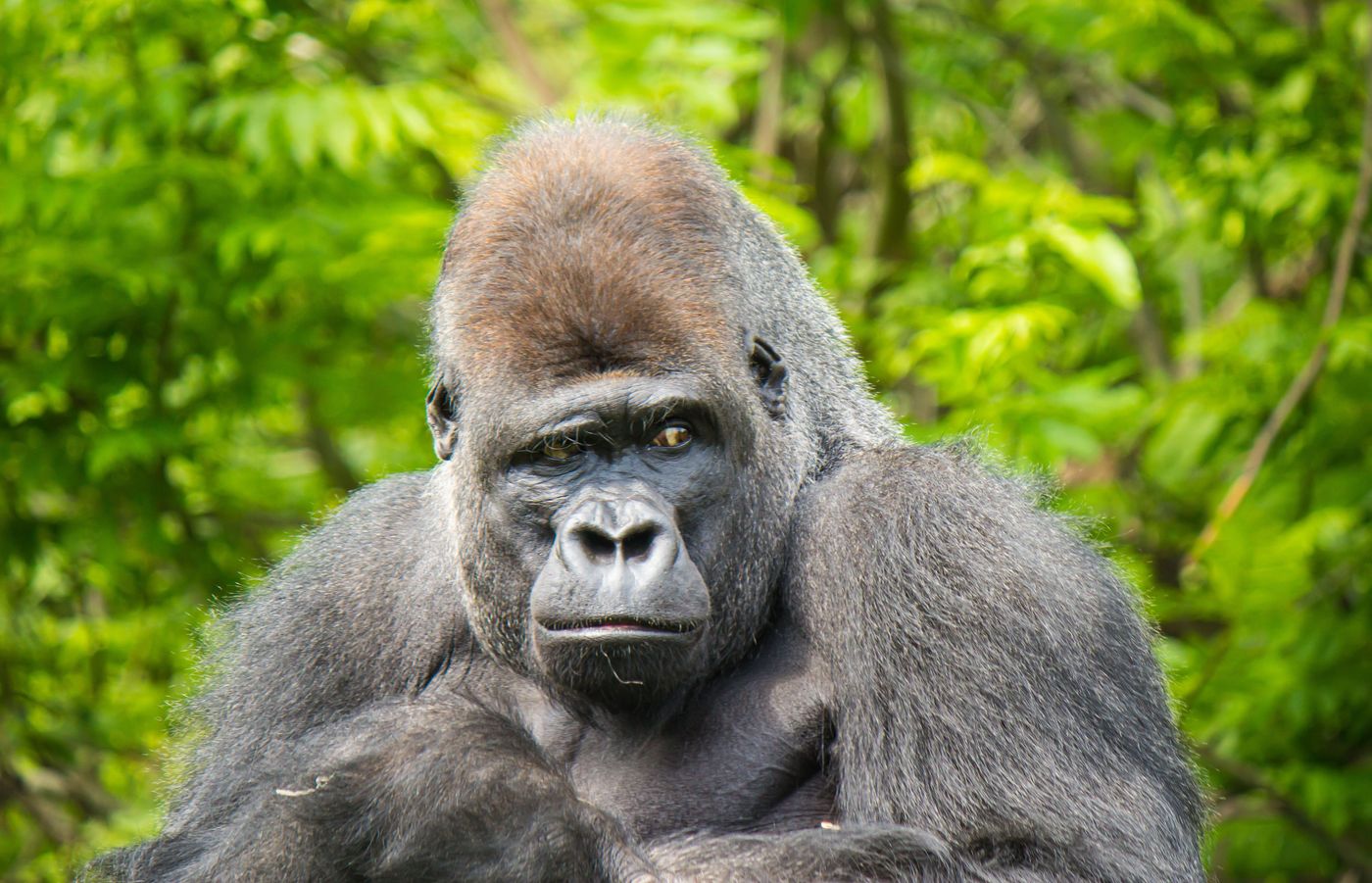
In 2016, a four-year-old boy fell into a gorilla enclosure at the Cincinnati Zoo. The gorilla — named Harambe — didn't attack the child. Zookeepers shot him anyway, under the standard protocol for protecting a human life in an enclosure.
The internet lost its mind. Not at the zoo for keeping a gorilla in an enclosure. Not at the parents for losing track of their child. At the gorilla for being shot — as if he'd had any say in any of it.
Saturday in England, a man entered a tiger's enclosure on his own. The tiger did what tigers do when something enters their territory. The tiger is alive. The man is not.
Two enclosure incidents. Two very different public reactions. The animal did the same thing in both cases: it was an animal. The difference was who chose to enter the enclosure.
The Bigger Question About Zoos
Here's the uncomfortable thing that a story like this forces into the open: zoos are built around the idea of getting you close to wild animals. That's the whole point. You go, you see the tiger, you feel something about how big and real and alive it is. That feeling is why zoos exist.
But getting you close to a wild predator means putting a wild predator somewhere near you. And the barrier between "amazing wildlife experience" and "inside the tiger enclosure" is, apparently, one bad decision away for some people.
The debate about whether zoos should exist at all has been getting louder. Some people argue these animals belong in the wild, not behind fences for humans to stare at. Others point out that zoos protect endangered species and fund conservation efforts that would otherwise never happen.
Both arguments are worth having. But neither one solves the specific problem that a tiger at a zoo is separated from zoo visitors by something a determined person can jump over.
What the Tiger Has to Do With All of Us
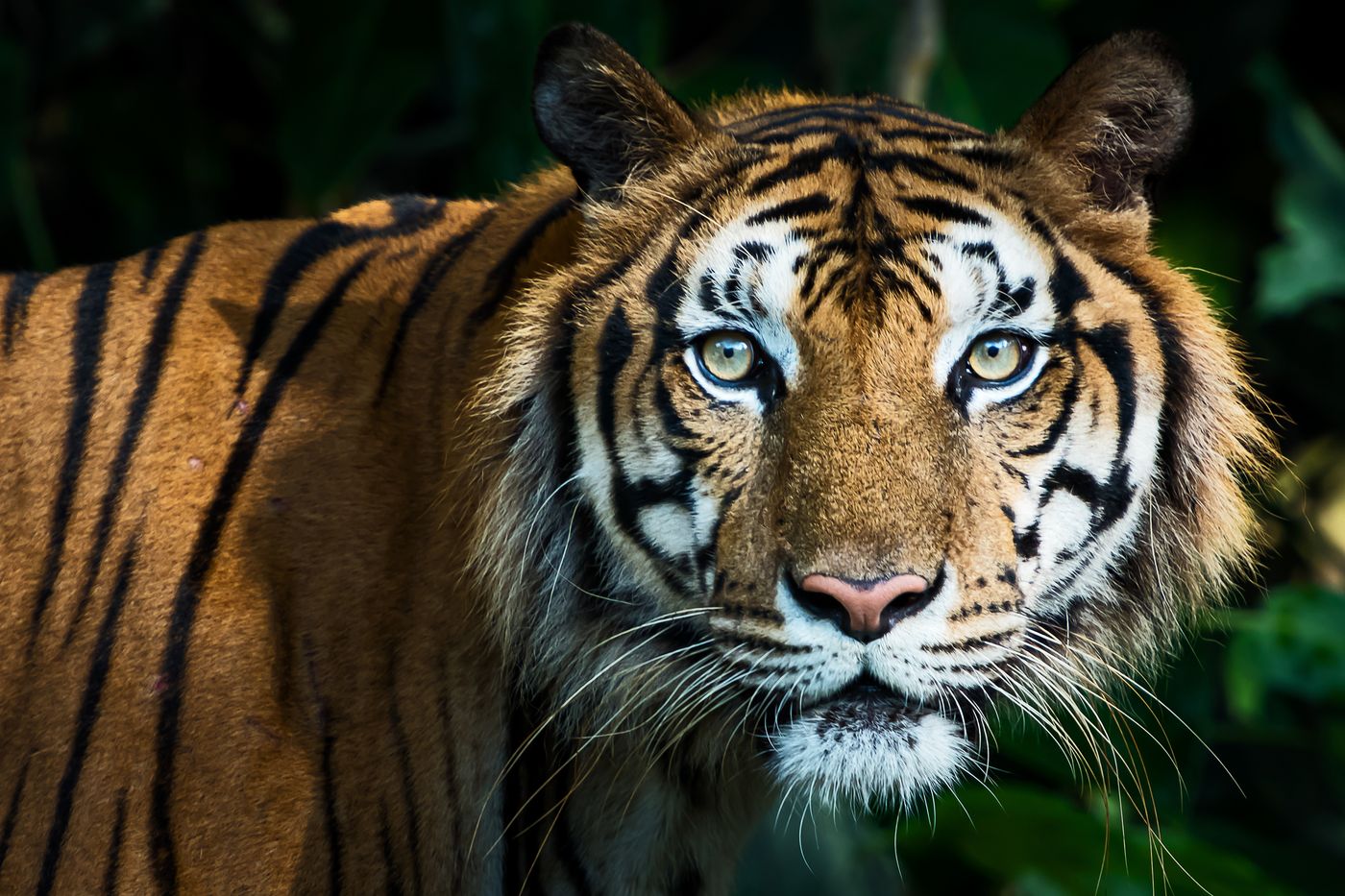
The animal in every one of these stories is responding exactly as it was built to respond. It's not cruel. It's not aggressive in the way we use that word about people. It's a predator doing what predators do when something enters its space.
We built the enclosures. We built the barriers. We created the signs. We designed the experience around controlled proximity to something genuinely dangerous.
And then we act surprised when someone decides that the controls don't apply to them.
That's not a comment on the man who died Saturday. It's a comment on something much older — the part of human nature that looks at a warning and thinks: probably not me. The part that has been getting people killed since long before there were zoos.
The tiger just did its job. We're the ones who keep creating the situations.