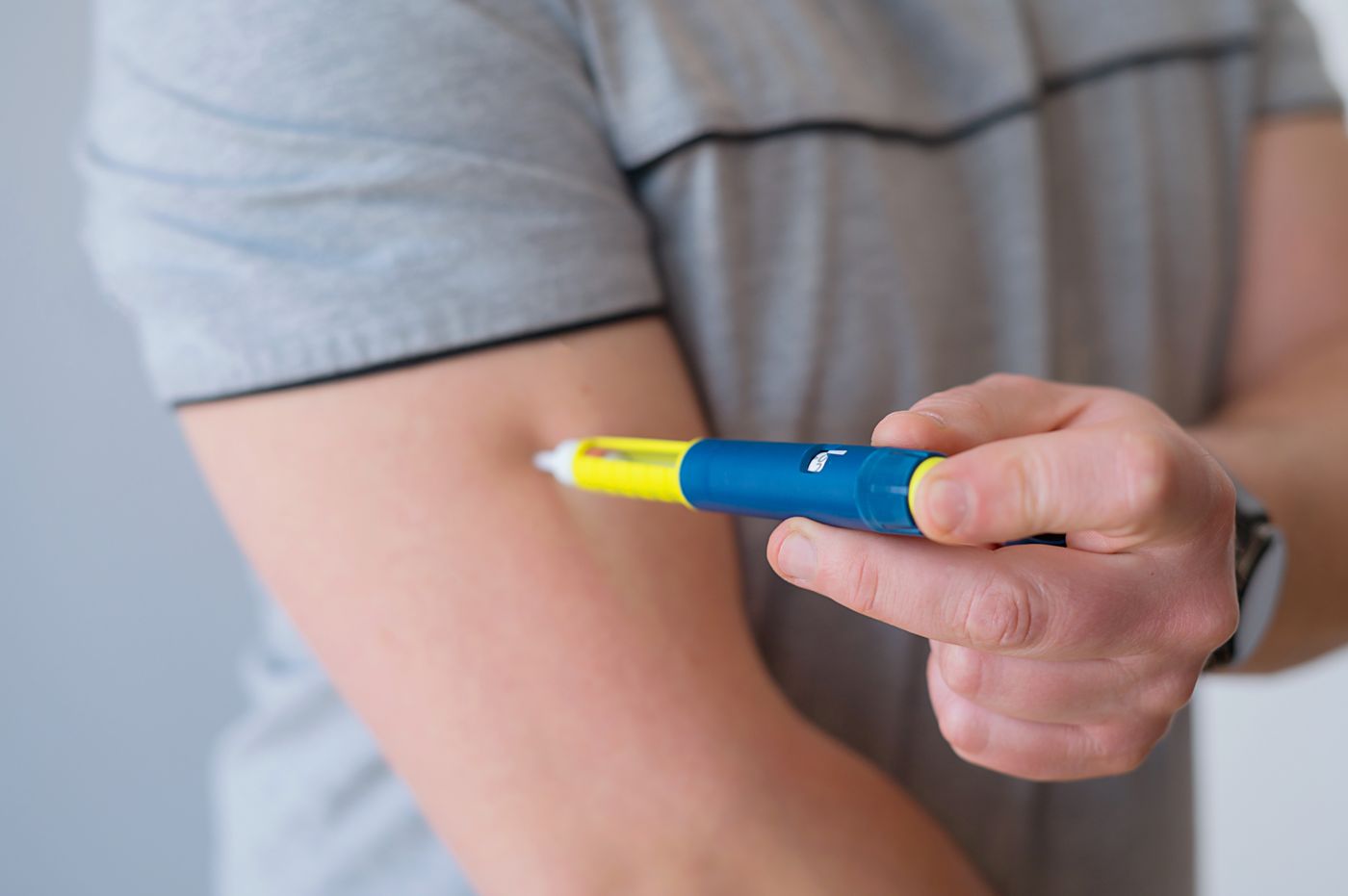
Josh Duhamel is 53. He injects testosterone three times a week. He says he feels better now than he did in his early 30s — his joints, his back, his knees, his energy, his drive.
His agents told him not to talk about it.
"Don't do it," they said, according to Duhamel. "It's bad for your image."
He ignored them, eventually co-founded a men's health company built around testosterone replacement therapy, and is now one of the most outspoken celebrities on a treatment that Joe Rogan has been discussing openly for years, that Sylvester Stallone has used for decades, and that a growing number of men in their 40s and 50s are quietly starting to look into.
Here's what it actually is.
What Testosterone Replacement Therapy Does
Testosterone is the primary male sex hormone. It peaks in your late teens and early 20s, then declines gradually — roughly 1% per year after age 30. By the time most men are in their 40s, they have meaningfully less testosterone than they did two decades earlier.
The symptoms of low testosterone read like a list of things men routinely attribute to "just getting older": fatigue, reduced muscle mass, increased body fat, lower sex drive, brain fog, mood changes, decreased motivation, joint pain. Many men live with these symptoms for years without connecting them to hormone levels.
Testosterone replacement therapy — TRT — addresses this by supplementing the body's declining natural production. It can be administered by injection, gel, patch, or pellet. The goal is to bring testosterone levels back into a healthy range, not to artificially inflate them to supraphysiological levels. That distinction matters: medically supervised TRT is a different thing from anabolic steroid use for performance enhancement, though the two are frequently conflated.
Why Men Don't Talk About It — and Why That's Changing
Duhamel's agents weren't wrong that there was stigma. TRT has historically been conflated with steroid abuse, with cheating in sports, with artificial enhancement — the language of weakness and fakery rather than medical treatment.
"I wondered if people in Hollywood would make fun of me," Duhamel said. "But my gut was, 'Why not shine a light on this thing and make it OK?'"
Duhamel began TRT after tests showed low testosterone levels in his early 40s. He describes a period of trying to source the treatment without clear medical guidance — "probably got some bad batches here and there" — before finding a proper provider. He now has his levels monitored and adjusts dosage based on ongoing bloodwork.
Joe Rogan has discussed his TRT openly for years, describing it as one of the most significant health decisions he's made and regularly interviewing doctors on his podcast about the science behind testosterone optimization. Sylvester Stallone has used hormone therapy for decades, discussing it in multiple interviews as part of his approach to aging. Alan Ritchson, 42, told Men's Health UK that his testosterone crashed after filming the first season of Reacher and that TRT was medically recommended.
The list keeps growing. Whether this is because more men are using TRT or more men are willing to talk about it is hard to separate — probably both.
What Duhamel Says It Actually Did
For Duhamel, the effects were specific and personal.
"I feel better now than I did in my early to mid-30s," he said on Dave Asprey's "The Human Upgrade" podcast. "My joints, my back, my knees, everything. I just feel stronger."
He credits TRT with giving him the energy to keep up with his young children — he has two sons — and with his wife, 31-year-old model Audra Mari. "It's important for her that I stay as young and virile as long as I can," he admitted, with a level of candor that is relatively rare in Hollywood.
He says he also noticed mental effects: sharper focus, more motivation, what he describes as "a mental and physical edge." He warns that men who go off TRT suddenly can feel the crash acutely — the return of low-testosterone symptoms making clear, in retrospect, how significant the deficiency was.
Who Should Actually Consider It

TRT is a medical treatment for a medical condition — clinically diagnosed testosterone deficiency, confirmed by blood testing. It is not a general wellness supplement or an anti-aging shortcut.
Men who are experiencing symptoms consistent with low testosterone — fatigue, muscle loss, mood changes, low libido — and want to investigate whether hormone levels are a factor should start with a blood test ordered by a physician. Testing is straightforward. Levels can vary based on time of day, so testing in the morning is standard.
The risks of TRT exist and are worth understanding. They include reduced sperm production (relevant for men who want to father biological children), potential cardiovascular effects at higher doses, and a small risk of polycythemia — elevated red blood cell count. These risks are manageable under proper medical supervision and are significantly different from the risks associated with steroid abuse.
The stigma is fading. The conversation is opening up. The agents who told Duhamel to keep quiet have been proven wrong by the simple fact that talking about it is what made him a credible face for the treatment.
"I literally got my mojo back," he said.