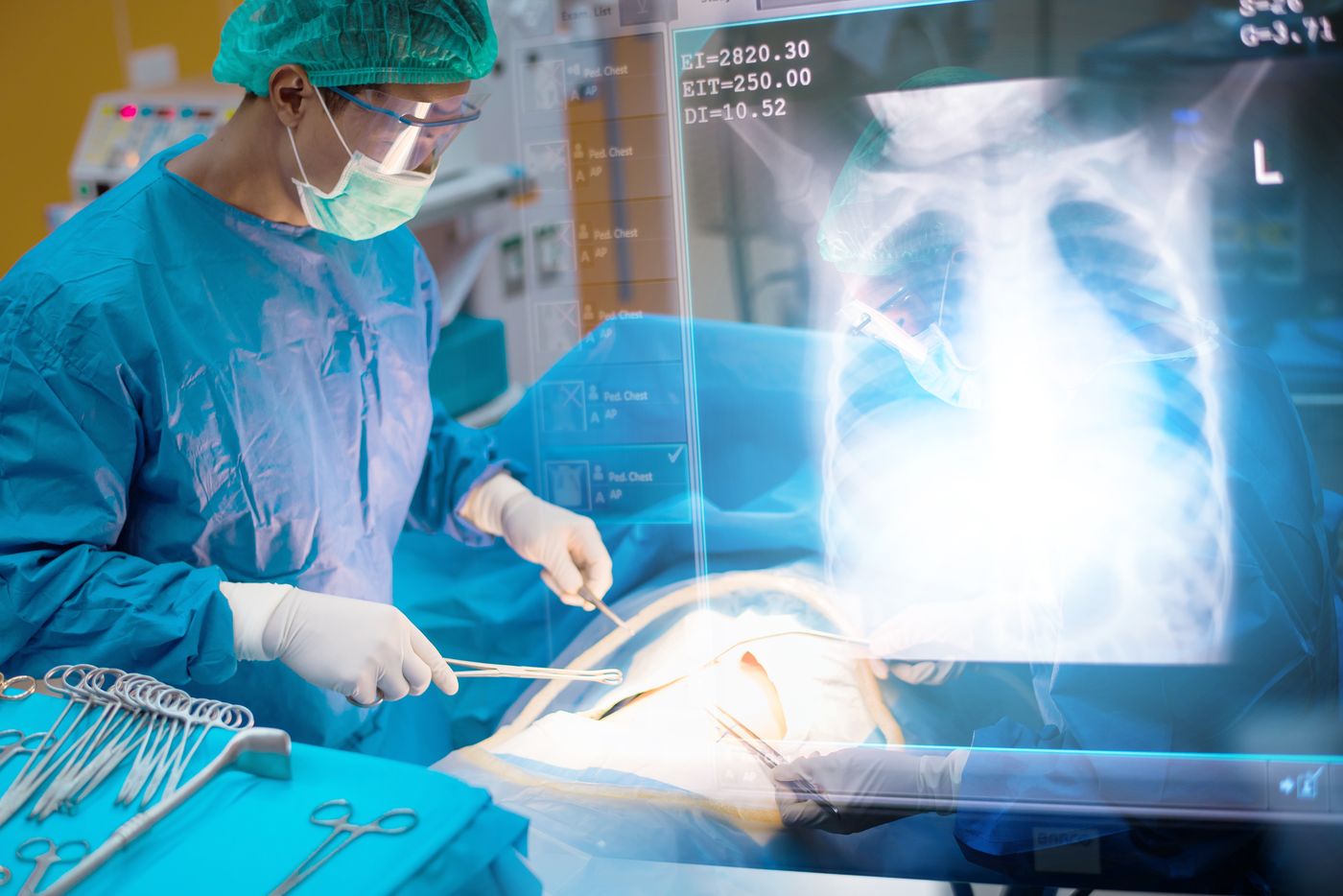
Tuesday morning, Pope Leo XIV waved to well-wishers at the entrance of Rome's Gemelli Hospital and walked inside for surgery. Tuesday evening, the Vatican announced he has lung cancer.
The 71-year-old Pope — born Robert Prevost of Chicago, the first American to lead the Catholic Church — had a tumor removed from the lower lobe of his right lung. The surgery lasted 90 minutes. There were no complications. He woke up normally and returned to his room.
The diagnosis: lung adenocarcinoma. The most common form of lung cancer in the United States, representing about 40% of all cases.
The prognosis, according to oncologists who spoke to multiple news outlets: excellent.
What Lung Adenocarcinoma Is
Lung adenocarcinoma is a type of non-small cell lung cancer that develops in the outer regions of the lung. It's the most common lung cancer subtype — and it's one of the more treatable ones, particularly when caught early.
"This is one of the more treatable cancers," one oncologist told NBC News. The key factor is staging. A tumor caught before it has spread to lymph nodes or other organs — which appears to be the case here — is dramatically more survivable than one discovered after symptoms develop.
The Vatican's statement used the word "radical" to describe the surgery — meaning the goal was to remove all suspect tissue, not just biopsy it. The lower lobe of the right lung was removed entirely. This is the standard curative approach for early-stage lung cancer and carries a strong long-term prognosis when the cancer is fully contained.
The Vatican said the diagnosis had been "suspected from pre-operative tests" — meaning doctors believed this might be cancer before they went in. They went in anyway, quickly, to remove it before it could progress. That's exactly what you want to happen.
Why "Caught Early" Is the Most Important Part
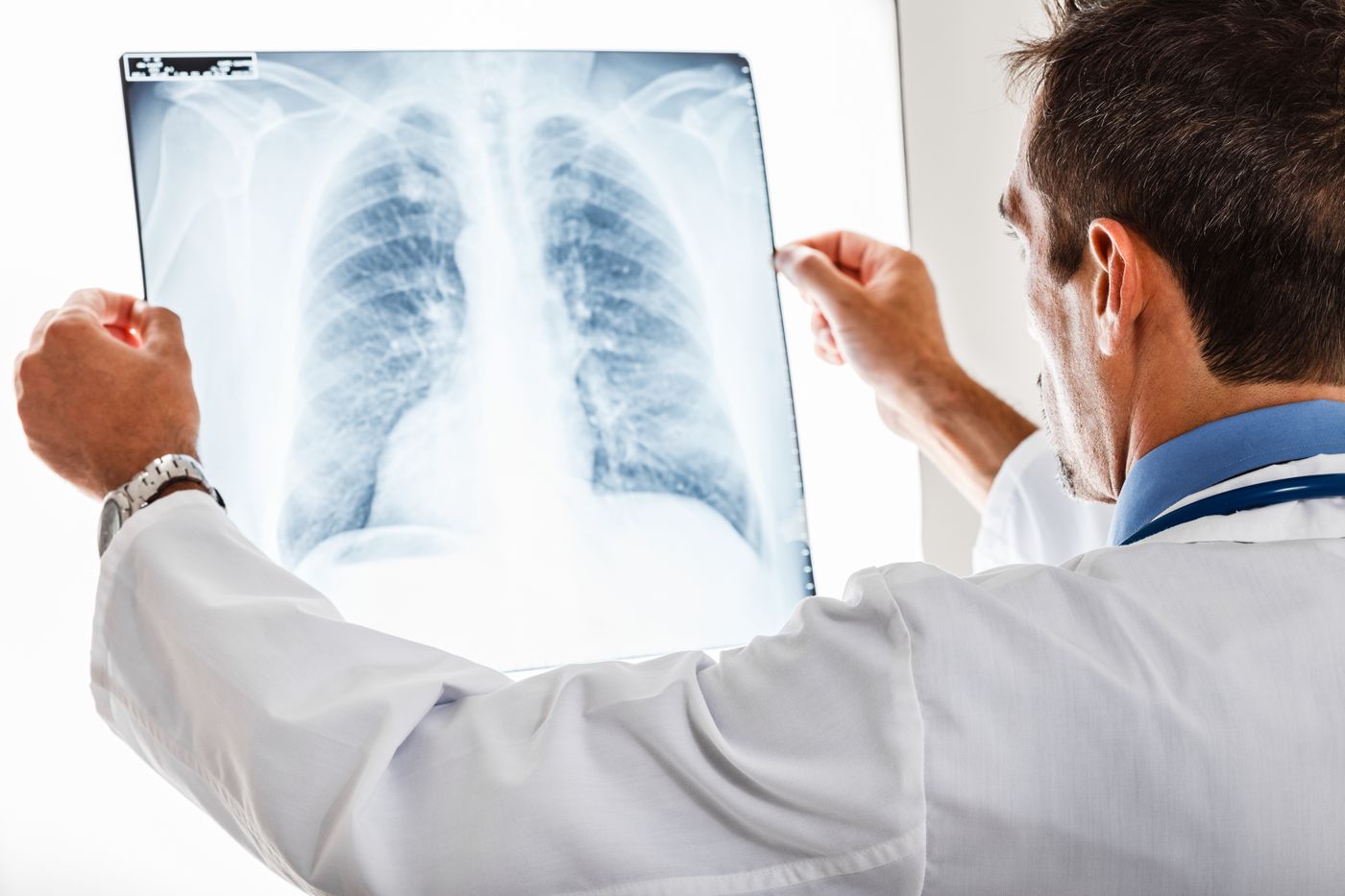
Lung cancer is the leading cause of cancer death in the United States — not because it's the most common, but because it's so often caught late. Most lung cancer diagnoses happen after symptoms appear: persistent cough, coughing up blood, shortness of breath, unexplained weight loss. By then, the disease has usually progressed to a stage where treatment is much harder.
The five-year survival rate for stage I lung adenocarcinoma — a small, localized tumor that hasn't spread, which is what the Vatican's description suggests — is approximately 80 to 92 percent. That's the number doctors are pointing to when they say Pope Leo's prognosis is "excellent."
The Vatican says Leo found out about the growth during a routine health checkup. He had no symptoms. He announced it publicly at his Sunday prayer, told the congregation he would have it removed, and checked into surgery four days later. That transparency — and the speed of action — is exactly why the outcome looks as good as it does.
A Pope, His Brother, and a Difficult Week
One detail that surfaced Tuesday: one of Pope Leo's two brothers is also battling cancer. The Vatican did not elaborate. Leo has been transparent about his own diagnosis; his brother's situation remains private.
What is public is that Leo is 71, physically active, a regular tennis player, with no prior publicly disclosed health issues. These are favorable factors for recovery from both the surgery and any follow-on treatment that may be recommended.
All public audiences have been cancelled through October 20. The expected hospital recovery is approximately one week — standard for this type of thoracic surgery. After that, doctors will assess whether additional treatment is needed and what form it would take.
What This Means for the Papacy

Pope Leo is 17 months into his tenure. He is widely regarded as being in good health for his age. The surgery was curative in intent — meaning the goal was to eliminate the cancer, not manage it.
The Vatican has been unusually transparent throughout. Leo announced the surgery himself. The medical bulletin was detailed and specific. The chief surgeon, Professor Stefano Margaritora, is one of Italy's leading thoracic surgeons at one of the world's most experienced hospitals for treating heads of state.
According to AP and CBS News reporting, the operation went exactly as planned. The cancer was where they expected it to be. They removed it. He woke up.
The first American pope has lung cancer. He also has, according to the doctors who just operated on him, an excellent prognosis. Both of those things are true at the same time — and understanding why requires knowing the difference between a cancer diagnosis and a cancer death sentence. This is one. It is not the other.