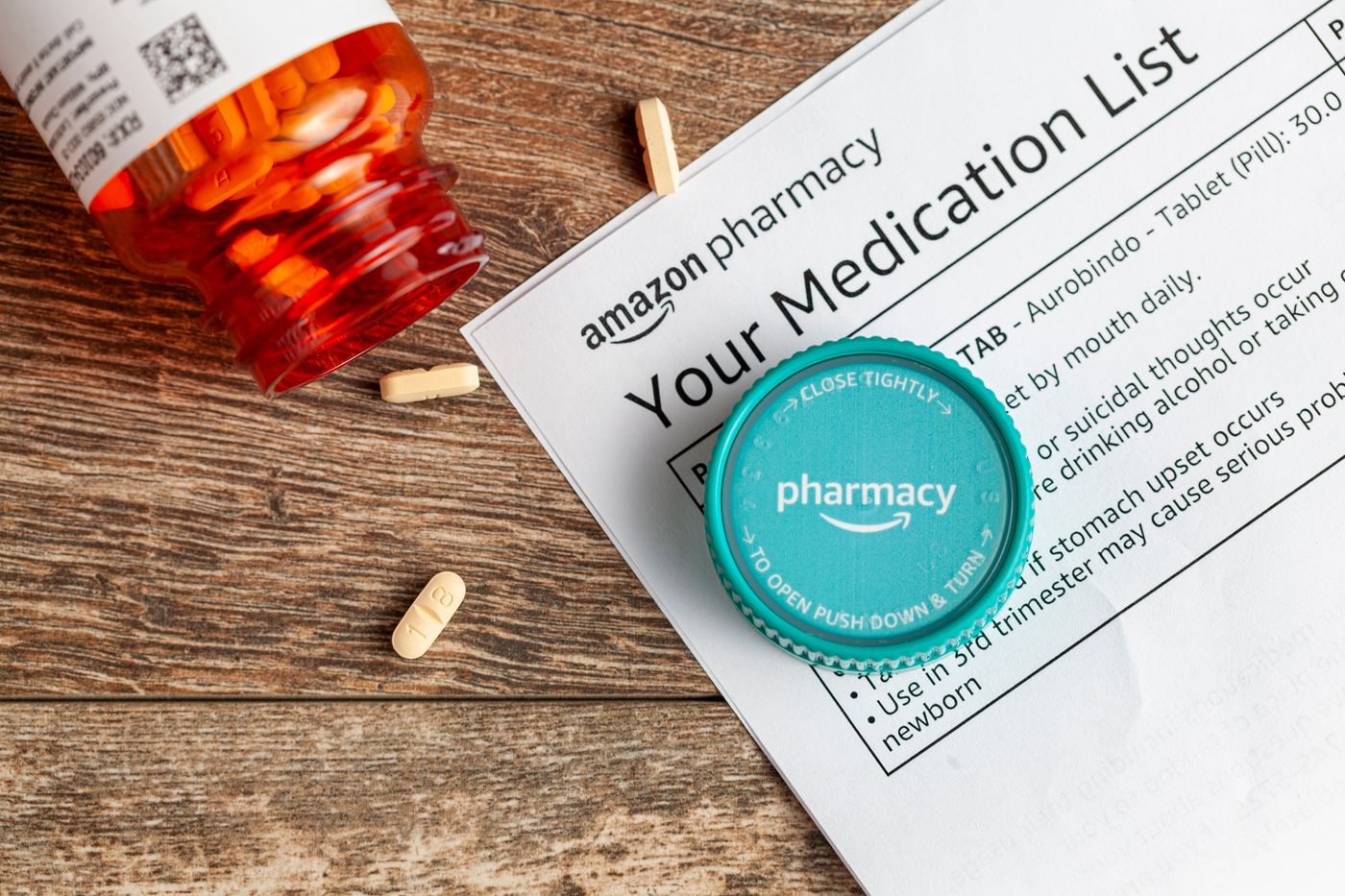
The pills look wrong. Nobody has said yet whether they're actually dangerous.
More than 112,000 bottles of Amazon Basic Care Extra Strength Acetaminophen — the store-brand version of Tylenol that millions of people keep in their medicine cabinets — have been recalled nationwide. The reason: consumers reported finding discolored tablets. Brown ones where there shouldn't be brown ones.
Aurobindo Pharma USA, the New Jersey-based company that manufactures the pills for Amazon's private label, initiated the voluntary recall on September 18. The FDA published the enforcement report this month. As of today, no adverse health effects have been reported. The FDA has not assigned a health risk classification to the recall — meaning the agency has not officially characterized how dangerous, if at all, the discolored pills are.
Which leaves you with a bottle of possibly-wrong-colored acetaminophen and no one willing to tell you exactly what that means.
What's Actually in the Recall
Three product sizes are affected, all in the 500-milligram Extra Strength formulation:
- Amazon Basic Care Extra Strength Pain Relief Acetaminophen, 200-count
- Amazon Basic Care Extra Strength Pain Relief Acetaminophen, 500-count
- Amazon Basic Care Extra Strength Pain Relief Acetaminophen, 1,000-count
The products carry NDC 72288-692-50 and UPC 1 95515 04890 3. Expiration dates in the recalled lots run through June 30, 2027. If you have a bottle and want to check whether it's in the recall, compare the lot number on your label against the FDA's enforcement report database.
The recall covers 112,932 bottles total. The vast majority — 90,456 bottles — are the 500-count size. This is not a Tylenol recall. The Tylenol brand and other acetaminophen products are not affected.
This Has Happened Before

The same manufacturer recalled 4,608 bottles of a different Amazon acetaminophen product last year — 325-milligram tablets, also sold through Amazon — for the same reason: discoloration. That recall also produced no reported adverse health effects.
A recurring discoloration problem from the same manufacturer, in the same product line, sold through the same retailer, one year apart. That pattern is worth noting even if neither recall produced documented harm.
Discoloration in pharmaceutical tablets can result from several causes: exposure to heat or moisture during storage or transport, raw ingredient impurities, manufacturing process variations, or packaging contamination. Without knowing which of these caused the discoloration in this case — and the FDA and Amazon have not said — it's not possible to assess what risk, if any, the tablets pose.
"It is not clear if anything is actually wrong with the 500-milligram caplets," CNN reported directly. "The recall is based on consumer complaints that some of them are discolored."
What to Do If You Have This Product
Amazon says customers who have an impacted bottle should contact Amazon customer service for a remedy — meaning a refund or replacement. The company told Nexstar that the recall was voluntary and conducted in coordination with the manufacturer and the FDA.
If you have a recalled bottle, the guidance from pharmacists and health providers is consistent: don't take the medication until you've confirmed your lot number is clear, and contact Amazon for a replacement.
If you've already taken tablets from the recalled lot and are not experiencing any unusual symptoms, the existing evidence — no reported adverse effects — suggests you are likely fine. If you have any concerns about a medication you've taken, contact your pharmacist or healthcare provider.
The discoloration problem nobody's explained is still unexplained. The pills are on a shelf somewhere that isn't your medicine cabinet. That's probably the right place for them until someone figures out why they changed color.