TRUTH.
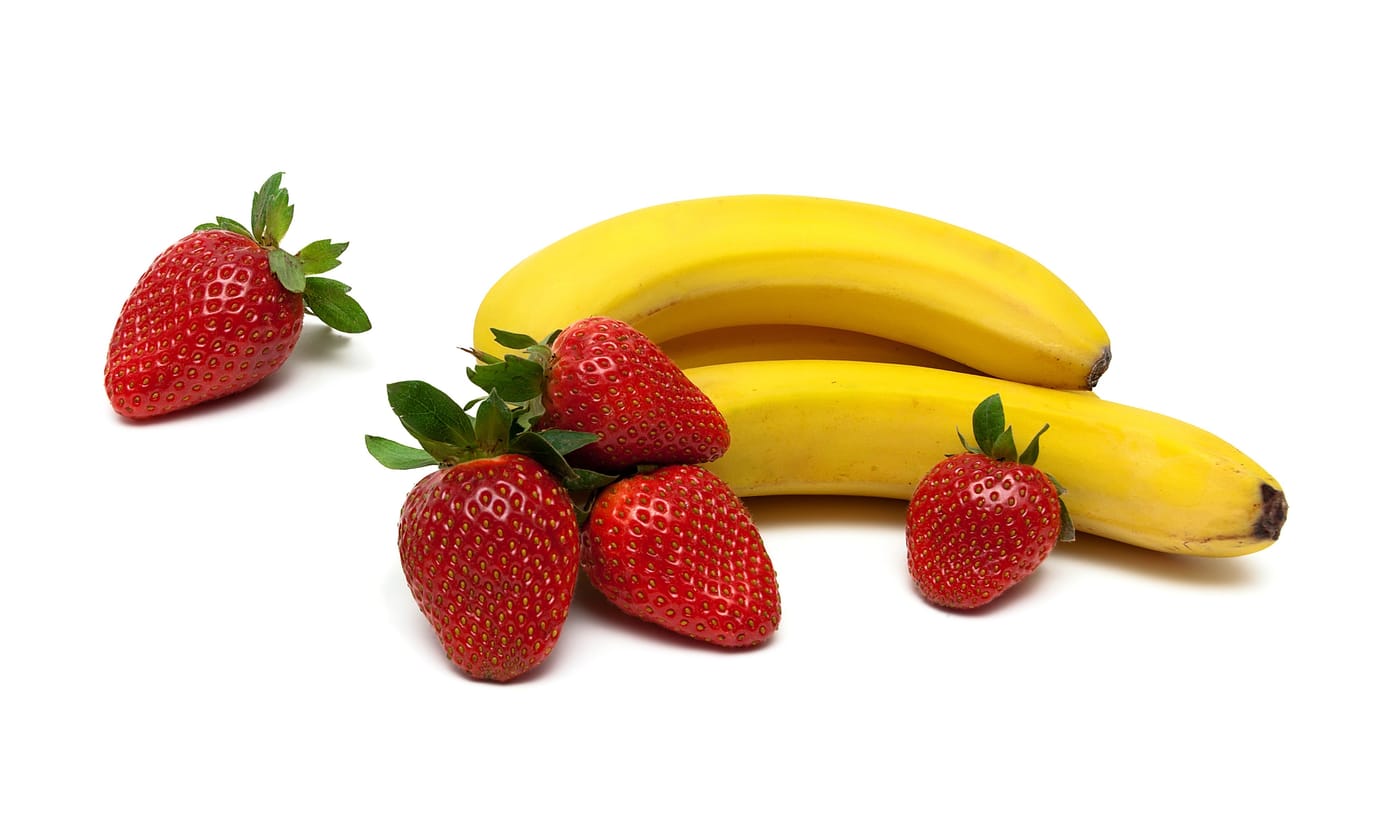
Botanists and common sense parted ways on this one a long time ago, and common sense has been confidently wrong ever since. In the technical language of plant science, a berry is defined as a fleshy fruit that develops from a single flower containing a single ovary, with seeds embedded within the flesh. By that definition, bananas qualify. Strawberries do not. Neither do raspberries, blackberries, or anything else you reflexively think of as a berry.
The banana case is airtight. It develops from a single ovary, its flesh is the ripened ovary wall, and while the cultivated bananas we eat have been bred into seedlessness, wild bananas contain large hard seeds embedded in the flesh. McGill University's Office for Science and Society confirms the botanical classification without reservation: bananas are berries, as are grapes, tomatoes, eggplants, avocados, and cucumbers.
Strawberries fail the definition on two counts. The fleshy red part we eat is not the ripened ovary — it is enlarged receptacle tissue, essentially the base that held the flower. The actual fruits are the tiny yellow specks on the outside, each of which is a separate seed-containing structure. A strawberry is technically an aggregate accessory fruit, which is a precise botanical term for something that sounds like a bureaucratic insult.
The disconnect exists because people named fruits thousands of years before botanists formalized the classification system. UC Davis plant scientist Judy Jernstedt explains that everyday language and botanical language simply evolved independently, measuring different things with the same words. Neither is wrong — they just aren't talking about the same thing.
The tomato-is-a-fruit debate was only the beginning. Turns out your fruit bowl has been misidentified for years.















