MYTH.
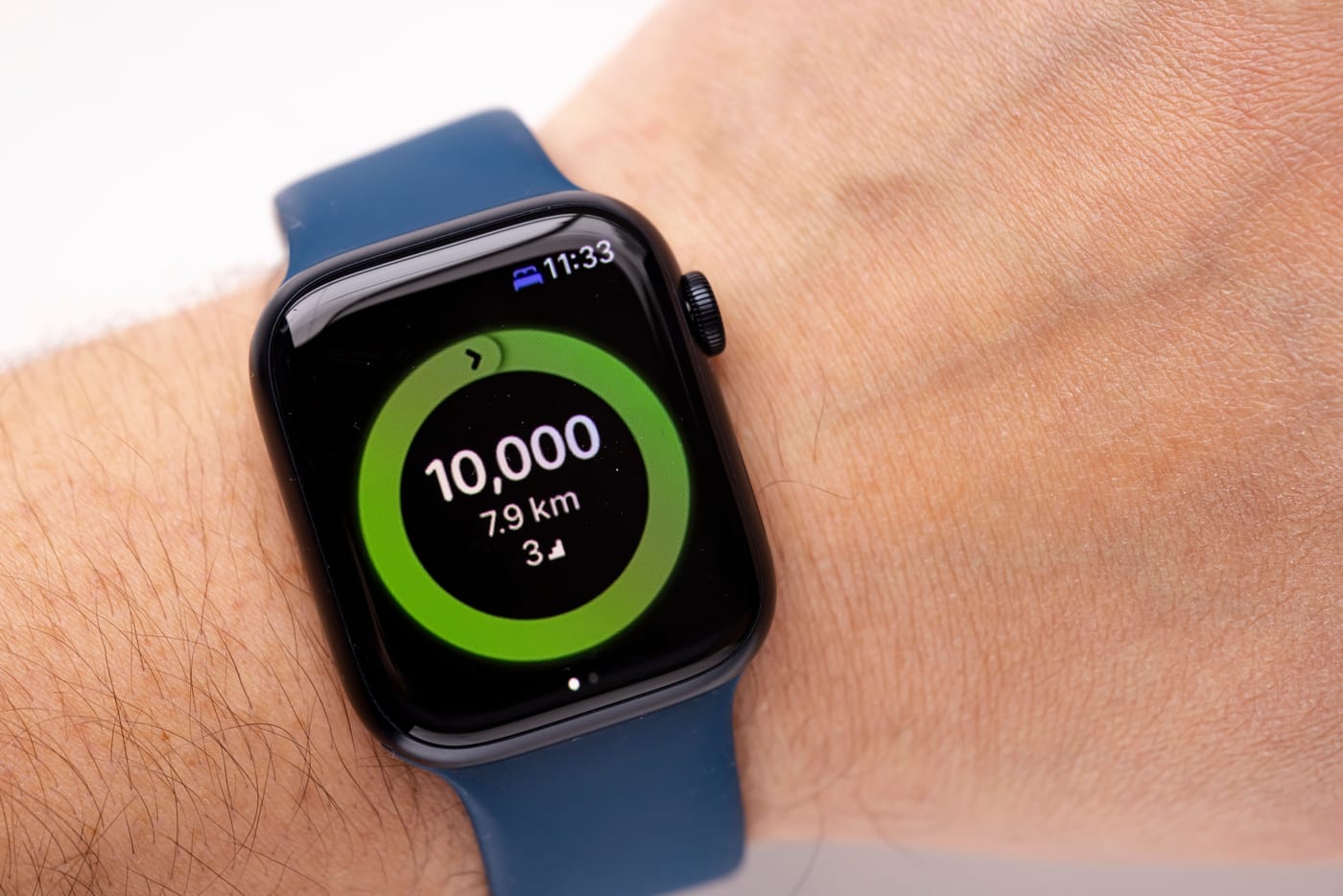
The number is on your phone, your watch, your fitness tracker. It shows up in workplace wellness challenges and doctor's office pamphlets. It feels like an official recommendation — the kind of thing that emerged from decades of research and clinical consensus. It didn't. The 10,000-steps-a-day goal was invented in 1965 to sell a pedometer.
In the lead-up to the 1964 Tokyo Olympics, a Japanese company called Yamasa Clock released one of the first consumer fitness trackers. They named it the Manpo-kei — which translates directly to "10,000-step meter." The number wasn't derived from physiology or clinical study. As Harvard epidemiologist I-Min Lee told Popular Science, it was simply a made-up number that sounded good, was easy to remember, and — crucially — the Japanese character for 10,000 looks a little like a person walking. The branding did the rest. Over the following decades, the figure migrated from a product name into global health gospel.
The actual research, when scientists finally got around to studying it, tells a more forgiving story. A 2023 review published in the European Journal of Preventive Cardiology, which analyzed data from over 226,000 people across seven countries, found meaningful health benefits beginning at just 4,000 steps a day. Mortality risk dropped significantly at 4,400 steps. The benefits of additional steps continue past 10,000, but they diminish — and for longevity, around 7,000 to 8,000 appears to be the practical sweet spot.
The implication is that if you're currently sedentary, closing the gap from 2,000 to 5,000 steps delivers far more benefit than grinding from 9,000 to 10,000. The guilt generated by falling short of a round number invented for a marketing campaign is, to put it plainly, unearned.
Walking is genuinely one of the best things you can do for your health. The specific number you're chasing just happens to have been invented by a clock company in Fukuoka.















