
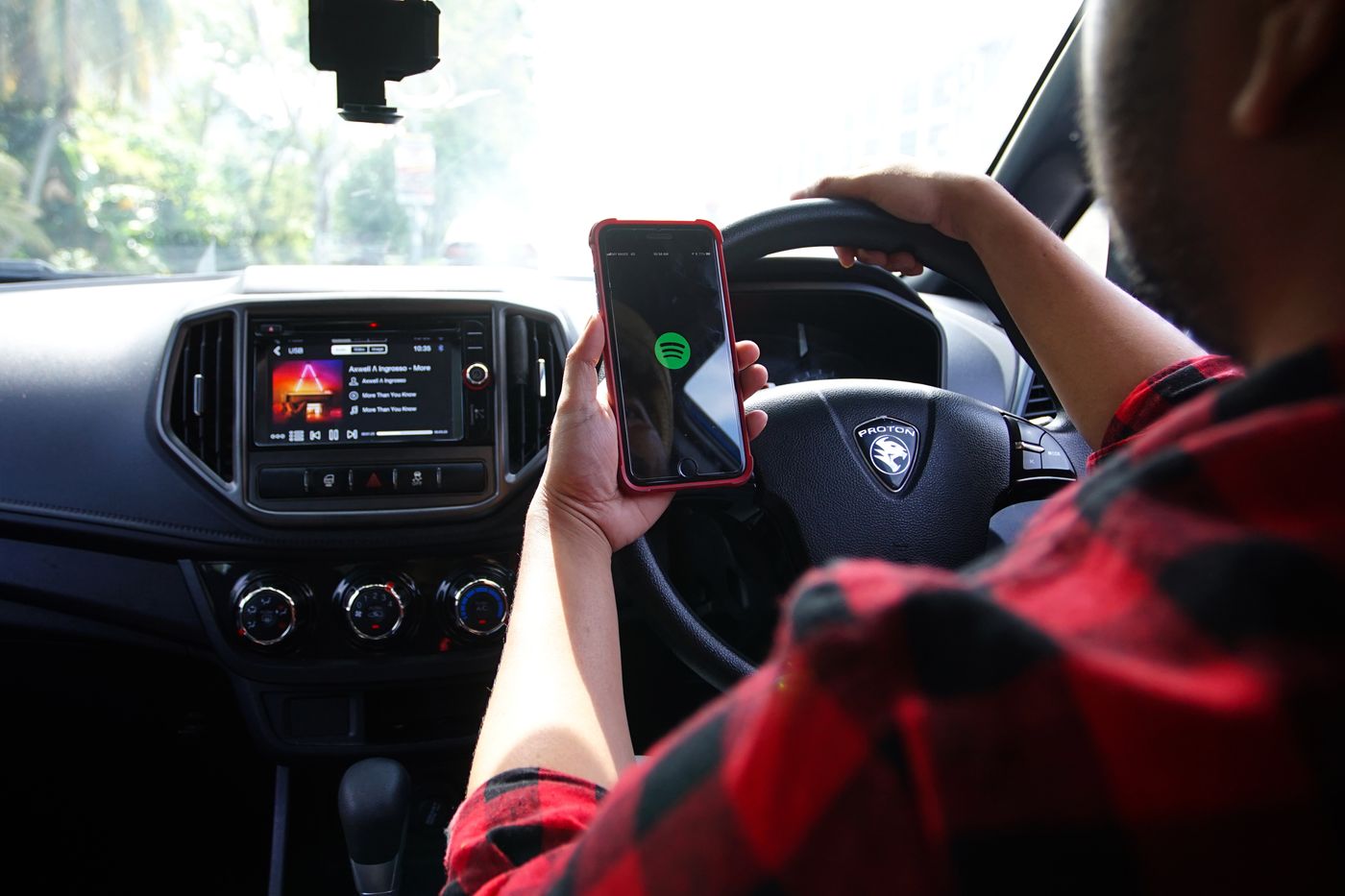
Dr. Vishal Patel was driving. A new Taylor Swift album had just come out. He wanted to find it on Spotify. He reached for his phone.
He drifted out of his lane.
Patel is a physician and researcher at Harvard Medical School. When he pulled the car back and put the phone down, he had a thought that most people who've done exactly the same thing don't act on: someone should measure whether this is happening everywhere, and whether people are dying from it.
He looked it up. They are.
What Harvard Found
Patel's study, published in JAMA Network Open, used two datasets. The first was the Fatality Analysis Reporting System — the federal registry that tracks every fatal car crash on American public roads. The second was Spotify streaming data, which allowed the researchers to identify the ten biggest album release days between 2017 and 2022.
Those ten days included releases from Taylor Swift, Drake, Bad Bunny, Kendrick Lamar, Harry Styles, and Kanye West. The biggest single day in the dataset: October 21, 2022, when Swift's Midnights hit Spotify with 184,695,609 streams in its first 24 hours.
The researchers compared traffic fatalities on each of those release days against the ten days immediately before and after, controlling for holidays, day of week, weather, and other variables.
On major album release days, traffic fatalities increased by 15%. The average non-release day: 121 deaths. The average major release day: 139. That's 18 additional people dead every time a blockbuster album drops on streaming.
What Killed Them
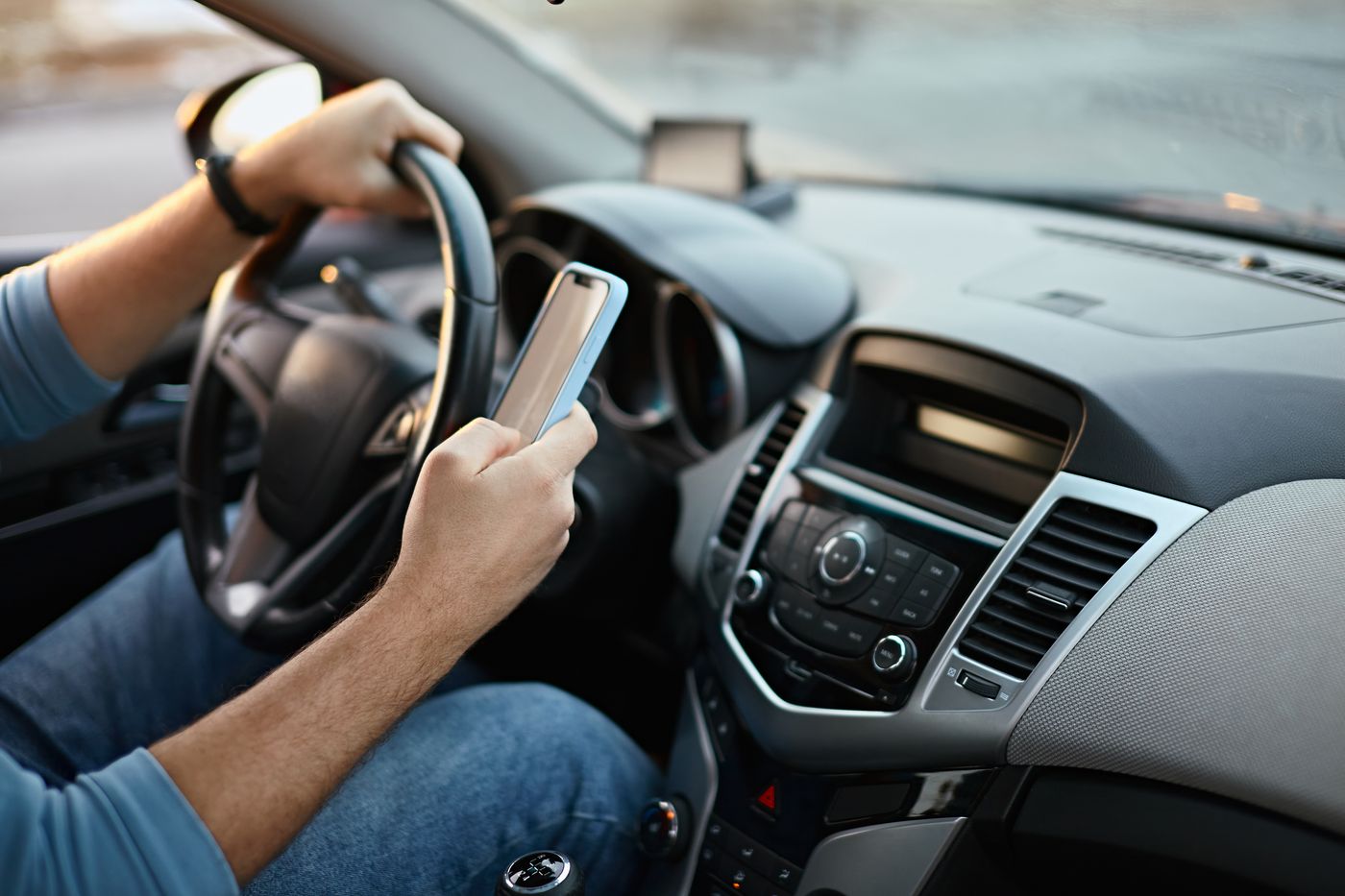
Here is the part of the finding that makes the result hard to explain away. The researchers examined the characteristics of every crash in the data to see what the album-release-day deaths had in common.
The crashes happened on clear days. The drivers were sober. They were disproportionately young. They were usually alone in the car.
This is the signature of distracted driving, not drunk driving, not weather, not a Friday night party crowd. It's someone alone, conditions good, attention somewhere other than the road. When Patel and his team looked at what changed on album release days — streaming activity on smartphones — they found it had surged roughly 40 percent. People were on their phones, finding the new album, queuing up the songs, and a specific subset of them were doing it while driving.
"I already knew the FARS database well," Patel told CNN. The idea of connecting it to album releases came from lived experience: "Album releases seemed like an obvious candidate nobody had tried."
The Number That Lands Differently Out Loud
Eighteen people. Per album. Per release day.
That's not a statistical artifact. That's 18 people who got into their cars on October 21, 2022, and didn't come home — on a day that was likely also the best day of the year for millions of Taylor Swift fans. The same phenomenon repeated itself for Kendrick Lamar, for Drake, for Bad Bunny. The study didn't cherry-pick artists to find the effect. The effect was present across all ten release days examined.
Road safety researcher Johnathon Ehsani at Johns Hopkins, who was not involved in the study, called the findings "fairly strong preliminary evidence" that streaming is linked to crash risk.
What You're Supposed to Do With This
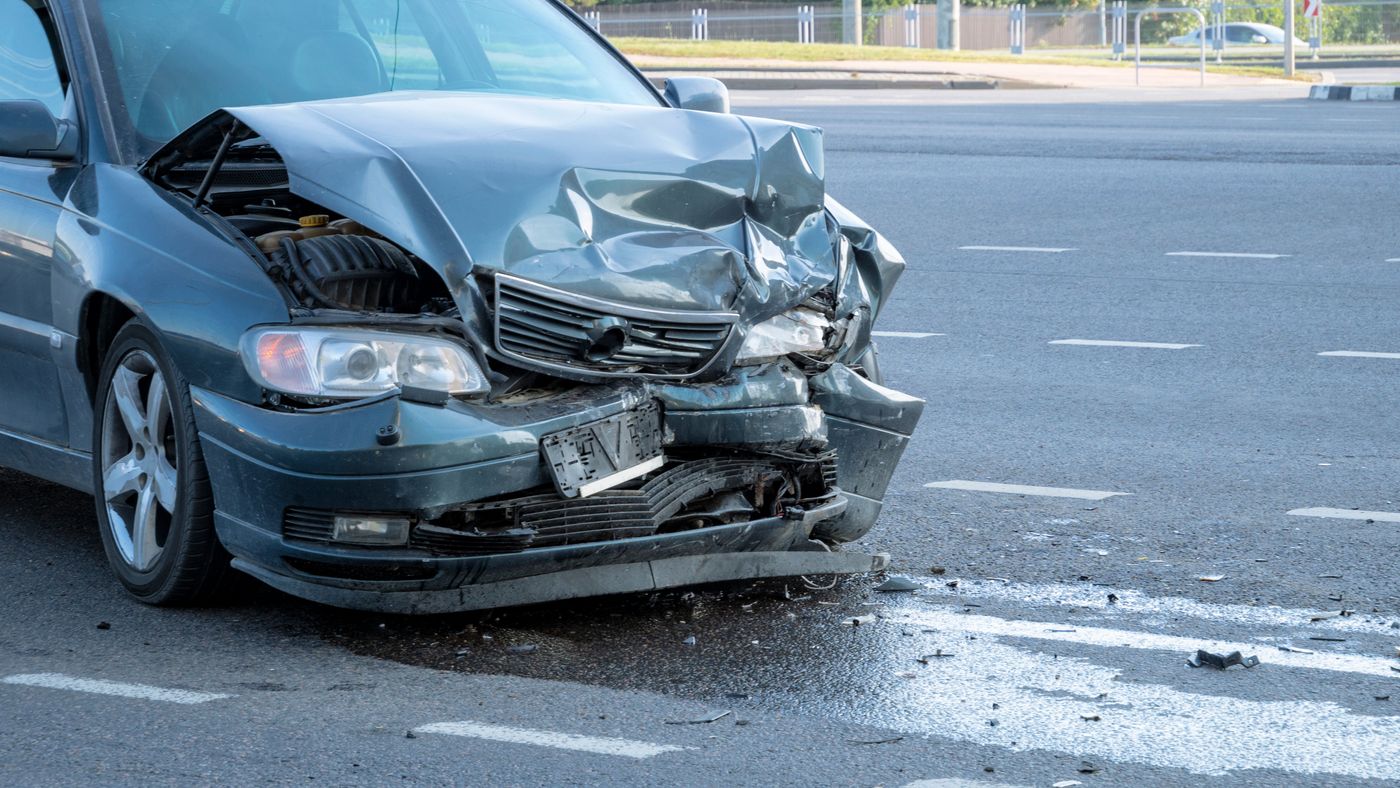
Patel's recommendation is simple: "Nobody is asking you to drive in silence. Just move the fiddling to before you're moving — pick the album, hit play, put the phone down."
That's it. The advice isn't to stop listening to music in the car, or to stop caring about new releases. It's the three seconds of searching that kill people — the moment between knowing the album is out and hearing it, when a driver's hand goes to the phone and eyes leave the road.
Fifty-five percent of American adults who were drivers or passengers in the past month streamed audio in the car, according to research cited in the study. Music in the car is not the problem. Searching for new music while driving is.
The next time a major artist drops an album — and there will be a next time soon — the data says American roads will be more dangerous for exactly one day. Not because the music is bad. Because everyone wants to hear it right now.














