
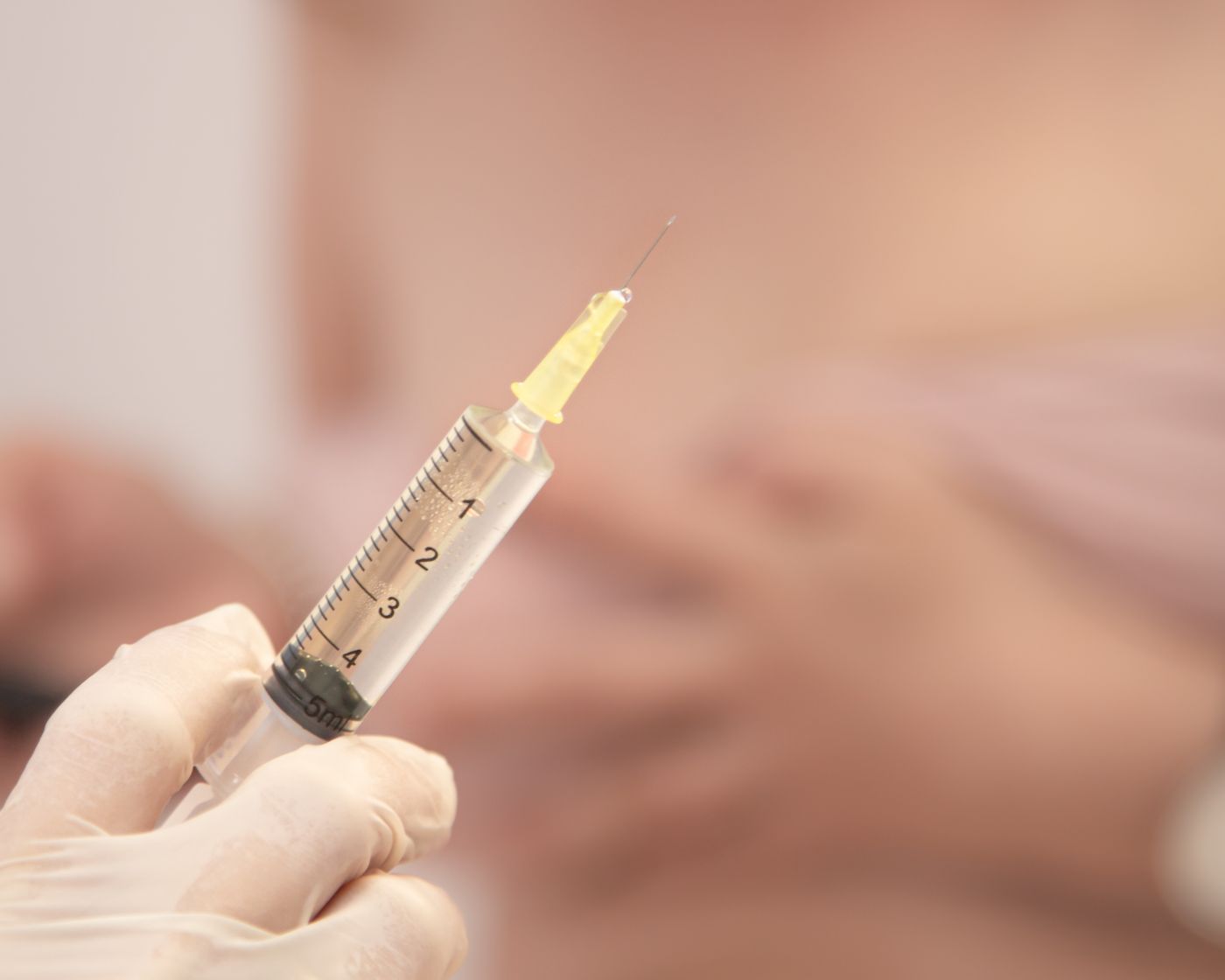
The internet has a name for it: zombie filler. Or corpse injections. Or, in a nod to the specific procedure it's most often used for, the zombie BBL.
The product behind these names is AlloClae — a sterile, injectable body filler made from purified fat harvested from the abdominal tissue of human cadavers. Tiger Aesthetics, the company that makes it, purchases donated fat from tissue banks, screens it for disease, purifies it, and processes it into a ready-to-inject filler used for Brazilian butt lifts, breast augmentation, hip-dip correction, and facial rejuvenation.
Less than 5 percent of board-certified plastic surgeons currently have it. Every one of them who does reports the same thing: demand is intense.
What "Zombie Filler" Actually Is
The concept of using donor tissue in medicine is not new. Cadaveric bone grafts have been used in dental procedures for decades. Allografts — tissue from donors — are standard in ACL reconstruction. What's new is the application: using cadaver tissue for cosmetic enhancement, in an office setting, by injection.
AlloClae is what surgeons call "off-the-shelf fat." Traditional fat transfer procedures — moving fat from one part of a patient's body to another — require the patient to have enough fat to spare. For patients who naturally carry little body fat, or who have already lost significant volume, this has historically meant limited options.
"The ideal candidate would be somebody that has no body fat," said Dr. Timothy Katzen, a plastic surgeon in Beverly Hills. The donor fat fills that gap — without requiring surgery, general anesthesia, or significant recovery time. "It's about not having the downtime, not needing more aggressive procedures, not having an anesthetic," said Dr. Sachin M. Shridharani, who has performed more than 50 AlloClae procedures at his Manhattan clinic.
There is an earlier, smaller-volume cadaver fat product — Renuva, used for facial injections — that has been on the market longer. AlloClae is newer, uses higher volumes, and is designed for body contouring at a scale Renuva wasn't built for.
Why the GLP-1 Boom Created the Demand

The timing of AlloClae's entry into the market is not a coincidence. Ozempic, Wegovy, and other GLP-1 drugs have caused dramatic fat loss in millions of patients. But losing fat quickly, doctors have noted, creates its own aesthetic consequences — volume loss in the face, temples, and body areas that patients didn't intend to change.
Traditional fat transfer requires fat to transfer. Patients who have been on GLP-1s for extended periods often don't have enough of their own to spare. AlloClae provides the source that GLP-1 use has effectively eliminated from many patients' own bodies.
"Multiple times we've actually run out of product," Shridharani told The Post. Tiger Aesthetics is currently partnering with additional tissue banks to expand supply — and planning to widen the age criteria for eligible donors to meet growing demand.
The Controversy — and the Case That's Hard to Ignore
New York State has declined to authorize AlloClae's distribution, twice. In October 2024, the state's Health Department rejected the manufacturer's license on the grounds that it was "unclear" whether the product was in compliance with FDA requirements. In May 2026, the state denied the license again. New York is one of only a few states requiring licensing for non-transplant tissue banks.
Tiger Aesthetics disputes both rejections and maintains that its product is compliant and safe. But the regulatory complications in New York have not stopped demand in states where distribution is authorized — and in some cases, physicians in New York have sent patients elsewhere to access the procedure.
At least one patient who has undergone the procedure has spoken publicly about disfigurement as a result, adding to the caution that some plastic surgeons have urged regarding a product that is still new, limited in distribution, and not yet backed by long-term outcome data.
The Question the Cosmetic Industry Is Quietly Asking
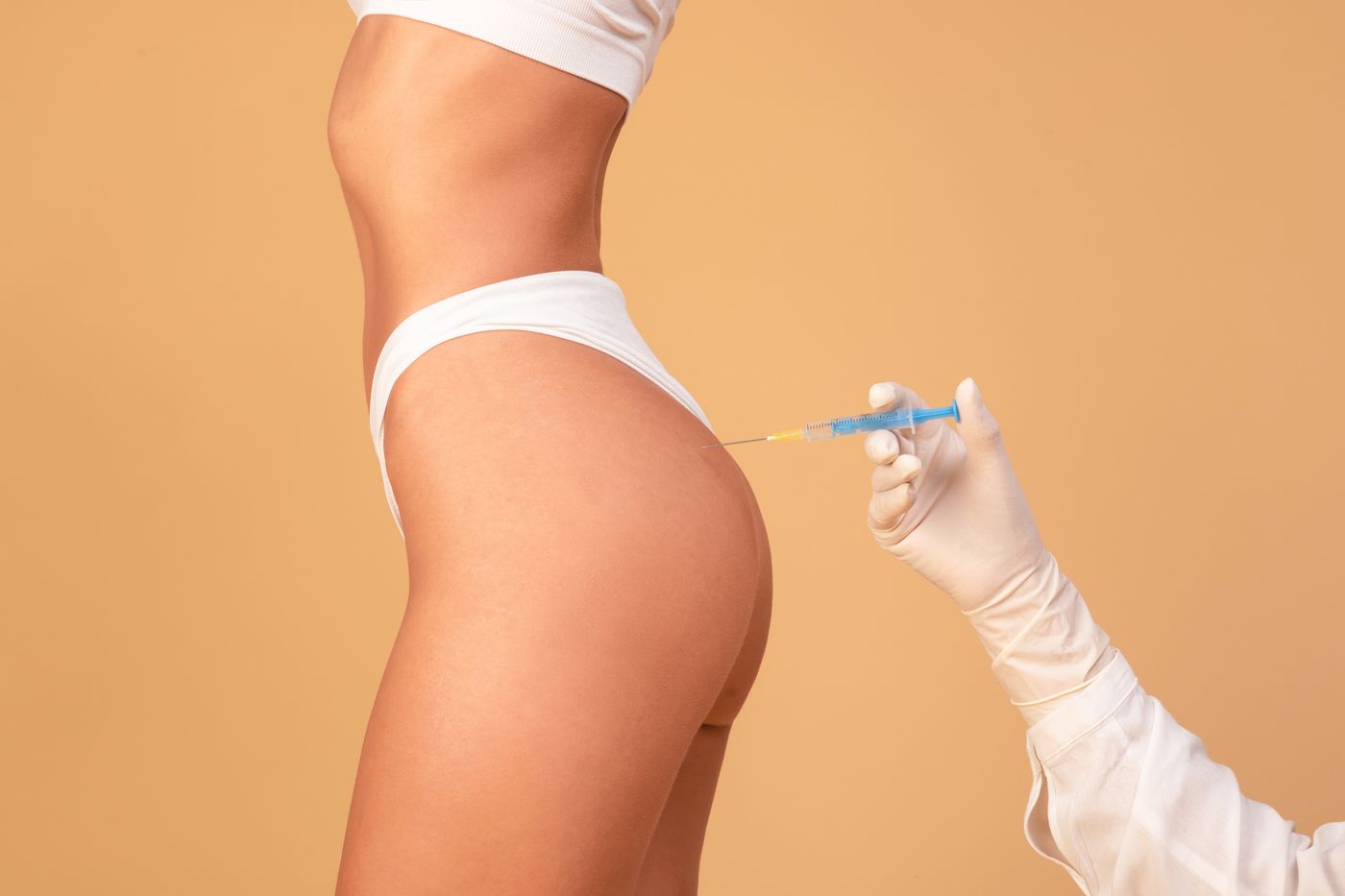
Every major cosmetic procedure — Botox, dermal fillers, liposuction, chemical peels — was once considered extreme. The bar for what counts as ordinary body maintenance shifts continuously. AlloClae's surgeons argue they're simply the next iteration of a long progression.
"Fillers, Botox, lasers, needling — all those things at one point or another were considered extreme because they were new," said Sigrid Van Hove, who has worked on the launches of both Botox and Juvéderm.
But the specific question AlloClae raises is different in kind: not whether a new technique is safe, but whether injecting material derived from deceased strangers for cosmetic purposes represents something different from what came before it. Where exactly is the line, and who decides when it's been crossed?
The plastic surgeons with AlloClae in their clinics say their patients have already made the call. "So 'zombie' is apropos," said Dr. Anthony Rossi, a New York dermatologist, "because these people are dead. I mean, it's kind of dark humor."
Supply is the only thing currently limiting how many people can say yes.














