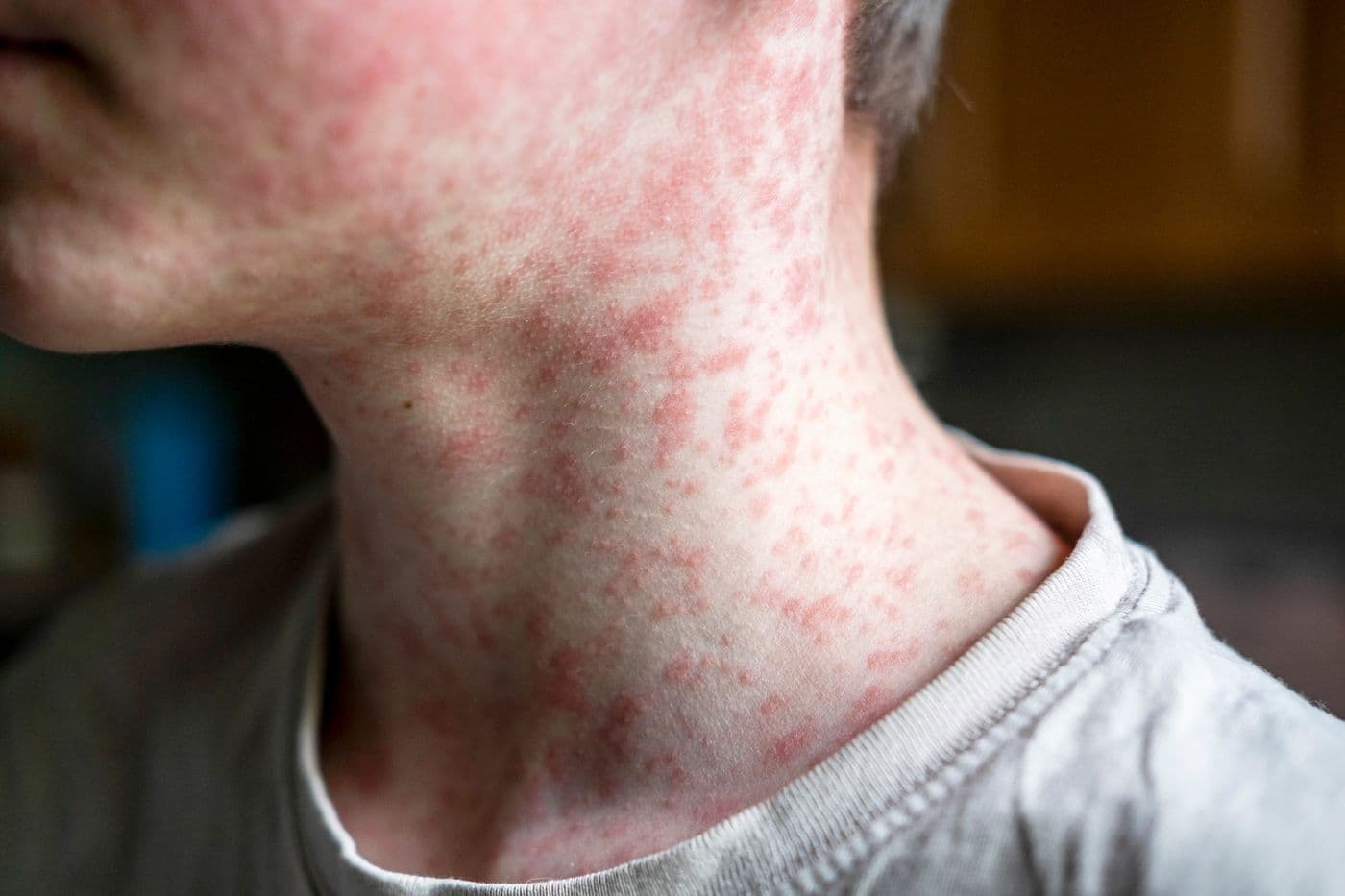
Four people in Pennsylvania have died from measles-related causes this year. An 18-year-old. A 40-year-old woman. Two infants. The last time Pennsylvania had a measles death was 35 years ago.
The last time the United States saw four measles deaths in a single year was 1992.
Since January 2025, there have been more than 5,000 confirmed measles cases in the United States. Between 2000 and 2024, there were 4,485 total. The country eliminated endemic measles — meaning it was no longer circulating permanently — in the year 2000, after one of the most successful vaccination campaigns in public health history. That status is now under threat.
The Atlantic's investigation published this week traces how we got here and what it means for a disease that had largely disappeared from American life.
What Measles Actually Does
Most adults who grew up after the 1970s have never seen measles. Before vaccines, measles infected nearly every American child. Most survived. Some — roughly 1 to 2 per 1,000 children — died. Hundreds more developed encephalitis, a brain inflammation that could cause permanent disability. Thousands went deaf.
Measles is among the most contagious diseases ever documented. An infected person can transmit the virus to 12 to 18 others in a susceptible population — compared to 2 to 4 for COVID-19. The virus lingers in the air for up to two hours after an infected person leaves a room. Someone with measles who enters a grocery store, classroom, or church can infect unvaccinated people without any direct contact.
The MMR vaccine — measles, mumps, and rubella — is approximately 97% effective after two doses. It does not contain fetal tissue, despite claims circulating on social media to the contrary. The vaccine has been used for more than 50 years and has an extremely well-documented safety profile.
Why It's Coming Back
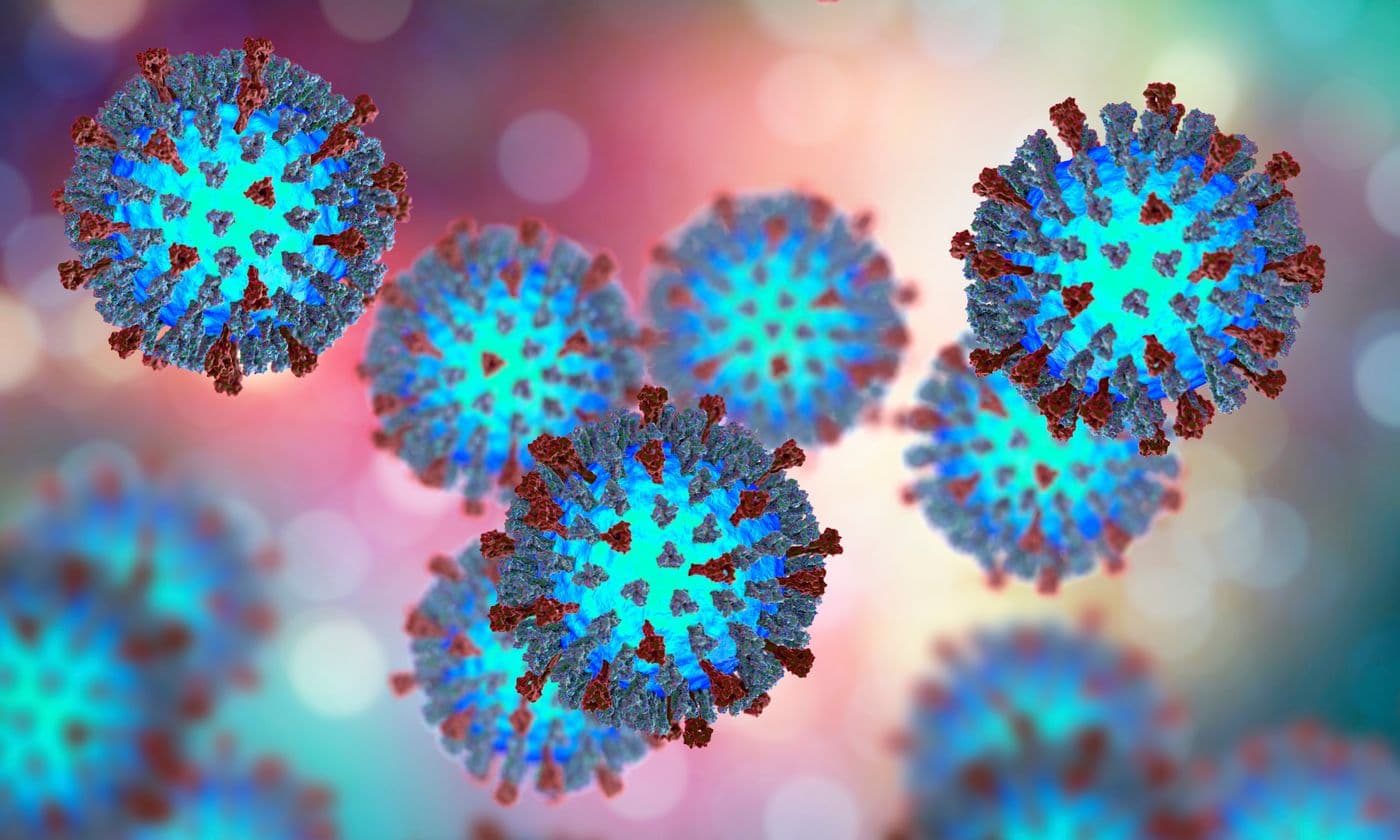
The mechanism of measles' return is straightforward: vaccination rates have declined below the threshold required to maintain herd immunity.
Measles requires about 95% of the population to be vaccinated to prevent sustained spread. In parts of Lancaster County, Pennsylvania — the epicenter of the current outbreak — vaccination rates among school-age children had fallen to roughly 80%. In some communities, lower.
A recent analysis found that a 1% decrease in vaccination rates per year could result in 17,000 additional measles cases, 4,085 hospitalizations, and 36 deaths annually. The current outbreak has now spread beyond Pennsylvania to Ohio, California, Washington, Oregon, Wisconsin, and New York.
Where the Mixed Messages Came From
Robert F. Kennedy Jr., serving as Secretary of Health and Human Services, has sent contradictory public messages throughout the outbreak. When the first deaths were announced, he suggested on social media that the deaths "may even have been altogether fabricated" by Pennsylvania's governor. He repeated claims about fetal tissue in the MMR vaccine — which is false — and has elsewhere urged vaccination while simultaneously questioning the necessity and safety of the vaccines. The Pennsylvania governor's office publicly accused Kennedy of "playing games with public health and safety."
The epidemiological reality does not change based on political messaging. Measles spreads through unvaccinated populations. The MMR vaccine prevents it. The US eliminated measles in 2000 because vaccination rates were above 95%. As those rates have declined in certain communities, the virus has returned.
What the Numbers Mean Going Forward
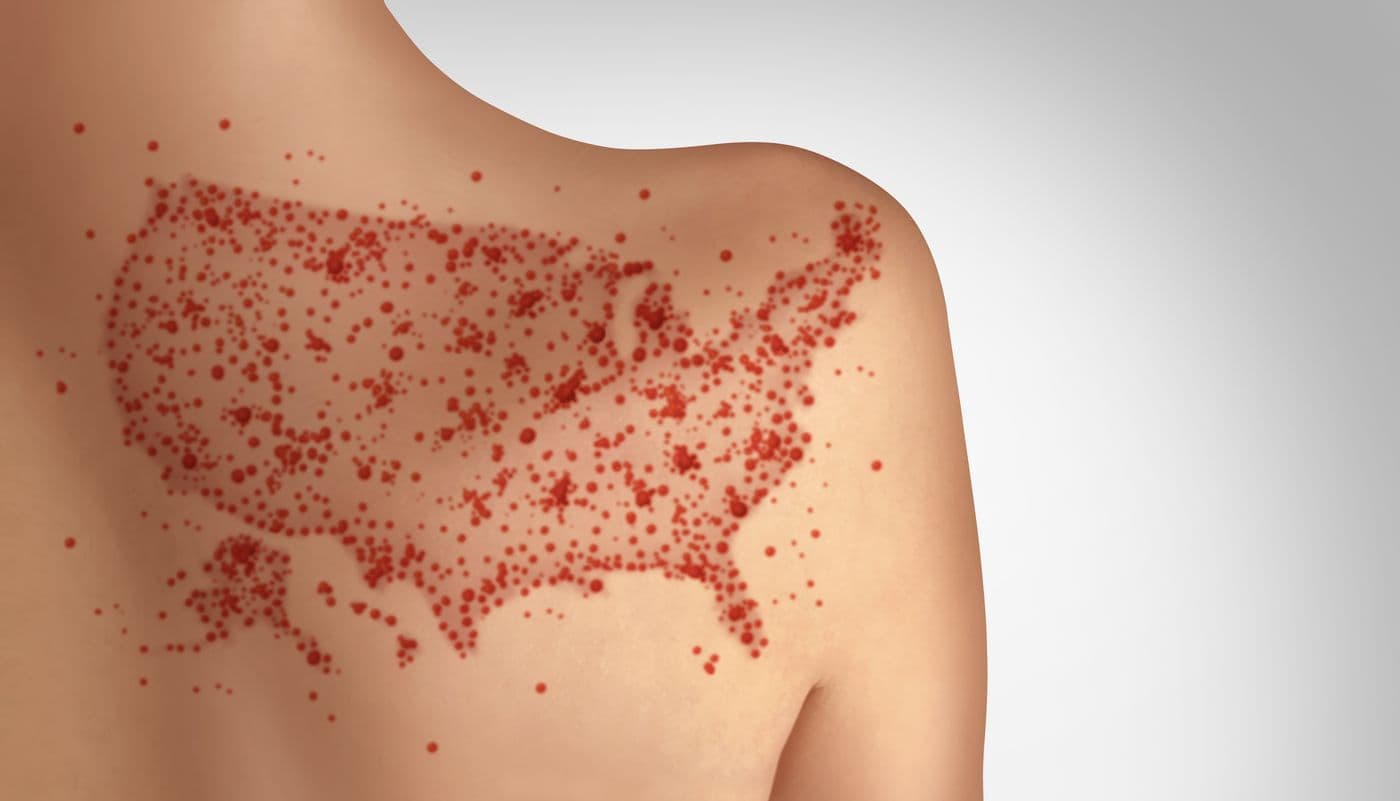
The last major US measles epidemic lasted from 1989 to 1991. It produced more than 55,000 cases and at least 132 deaths before an aggressive vaccination campaign brought it under control. Epidemiologists who study measles outbreaks say the current trajectory — if vaccination rates continue to decline — leads toward a similar or larger epidemic.
"We have lost our path," wrote Dr. Paul Offit, director of the Vaccine Education Center at Children's Hospital of Philadelphia and one of the country's leading infectious disease experts. "We are headed for more cases, more suffering, more deaths, and enormous financial costs."
The calculation for any individual is specific. If you or anyone in your household is not vaccinated against measles — including infants under 12 months who are not yet eligible — contact your healthcare provider. Adults vaccinated before 1989 may have received a less effective single-dose version and may benefit from a booster.
The disease that was eradicated from the United States 25 years ago has now killed four people in Pennsylvania. It has spread to seven states. The tools to stop it have existed for six decades.