logo
  • Culture
  • Science & Health
  • Psychology
  • AI & Tech
  • Money & Work
  • Games
  • About Us
  • Culture
  • Science & Health
  • Psychology
  • AI & Tech
  • Money & Work
  • Games
  • About Us

September 27, 2026

Science & Health

He Had a Needle Pulsing Inside His Heart. He Came In for Urinary Pain. We Have So Many Questions.

He came in complaining about blood in his urine. Seems like a normal enough reason to see a doctor. They ran some tests. Standard stuff.

Then the imaging came back.

Doctors at a hospital in China found multiple needle-like metallic foreign bodies distributed throughout the 35-year-old man's body. We're not talking about one needle. We're talking about his abdominal wall, his pelvis, his bladder, his hip bone, his hip muscle, and his penis. And then — the part that made the doctors stop and order more scans — something unusual near his heart.

A contrast-enhanced CT confirmed it. A 1.4-inch sewing needle had pierced the pericardium, the fluid-filled sac that protects the heart. Its tip was inside the left ventricular cavity — the chamber that pumps blood to the entire body. And it was moving. In sync with every heartbeat.

How You Walk Into a Hospital With a Needle in Your Heart

The answer, as bizarre as it sounds, is: because you have no symptoms.

The 35-year-old had stable vital signs. His heart was functioning. He wasn't in cardiac distress. By every visible indicator, he was in reasonable health — the blood in his urine was the reason he came in, not chest pain, not shortness of breath, not anything that would typically send someone to the cardiologist.

This is, according to the doctors who published the case in BMC Cardiovascular Disorders, part of what makes self-embedding behavior so dangerous: the body adapts around foreign objects with remarkable efficiency. Needles that puncture tissue slowly, gradually, rather than violently, can become encapsulated by scar tissue and fibrous material, reducing inflammation and symptoms. The person carrying them may feel nothing. Or something mild. Or something unrelated, like urinary discomfort from the needles in the bladder.

The man's father, who held legal guardianship, could not explain where the needles had come from. Neither could the patient, who has an intellectual disability. Two years prior, this same man had visited a different hospital, where doctors removed two needle-like objects from his abdomen. Those medical records weren't available to the current team. Nobody connected the dots because nobody knew there were dots to connect.

What "Self-Embedding Behavior" Actually Is
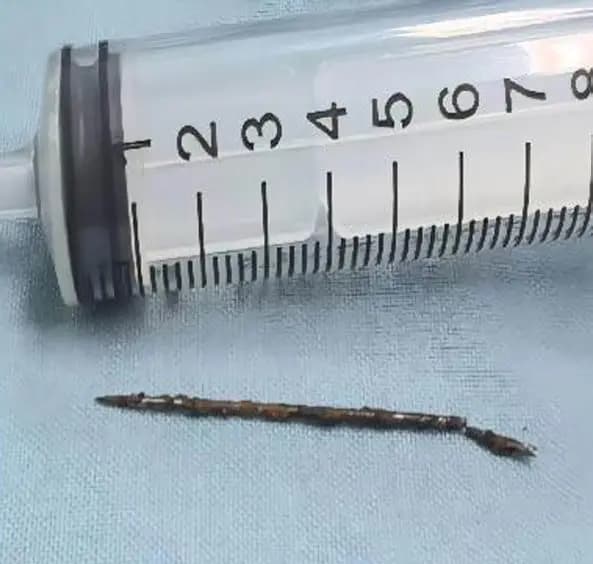
Self-embedding is the deliberate insertion of foreign objects under the skin or into body cavities. It is a documented phenomenon in psychiatry, associated with certain forms of self-harm, schizophrenia, intellectual disability, and severe depression. People who engage in it often do so in secret and experience varying degrees of awareness about what they're doing.

It is rare. It is not unheard of. And it is, as this case demonstrates, possible to sustain for years before a doctor inadvertently discovers it by scanning for something else entirely.

The imaging from this case showed a trail of objects distributed across the man's body that, once revealed, told a story the current doctors couldn't have known. The pelvic needles. The abdominal ones from two years ago. The one now pulsing inside his heart. Each one arrived there separately, over what may have been years.

The Surgery — and What Happened After

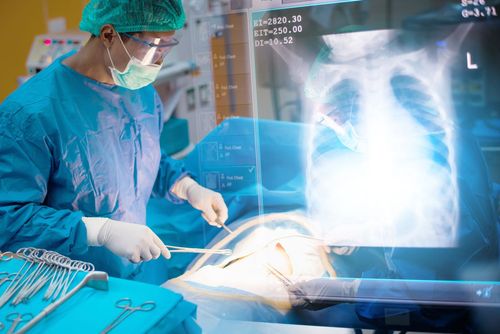
The needle inside the left ventricle had to come out. A needle moving with every heartbeat, in close contact with cardiac tissue, posed risks of penetrating further into the muscle, causing arrhythmia, or triggering a life-threatening bleed.

Surgeons removed it. The procedure was successful. The man recovered.

The case report, written up by the surgical team and published in BMC Cardiovascular Disorders, notes that the remaining needles throughout the body were left in place — a common decision in self-embedding cases when the objects are not in immediately dangerous locations and removal carries its own surgical risk. The doctors wrote that "cardiac foreign bodies associated with presumed self insertion behaviors can be clinically occult and diagnostically challenging, particularly when a definitive history is difficult to obtain."

Clinically occult is medical-speak for: you'd never know it was there. Until, one day, you scan for something else entirely.

The man came in for urinary pain. He left with one fewer needle in his heart. The rest, as of the time of publication, remain.

Related Content

Science & Health

17 November 2026

Post

What Killed the Amazon Driver Found in Her Van?

The medical examiner ruled an Amazon driver found unresponsive in her van died of carbon monoxide poisoning. Here's what investigators found...

Science & Health

12 November 2026

Post

Gourmia Air Fryer Oven Recall: 175,951 Target Ovens Recalled After 40 Burn Injuries

Gourmia recalled 175,951 air fryer ovens sold at Target after 40 burn injuries. Here's the model number to check and how to get a free repair kit...

Science & Health

11 November 2026

Post

FDA Orders Vision-Loss Warning on GLP-1 Drugs

The FDA ordered a new vision-loss warning on all GLP-1 drugs, including Ozempic and Zepbound. Here's what NAION is and how big the risk is....

Science & Health

09 November 2026

Post

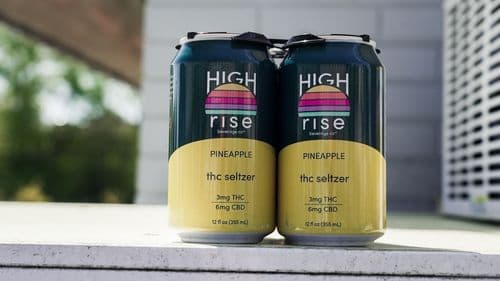
Federal Hemp Ban 2026: Which THC and CBD Products Become Illegal on Dec. 11

A federal hemp ban takes effect Dec. 11, capping total THC at 0.4 mg per container. Here's which gummies, drinks and CBD products are affected...

Science & Health

08 November 2026

Post

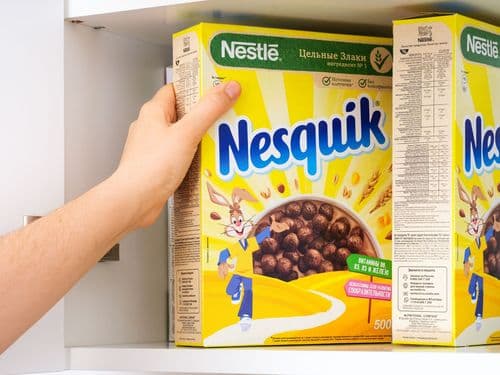
Which Cereals Have Lead? What a 77-Cereal Study Found

A study of 77 breakfast cereals found detectable lead in 12 of 13 chocolate varieties. Here's what it means and which four cereals passed every screening....

Science & Health

04 November 2026

Post

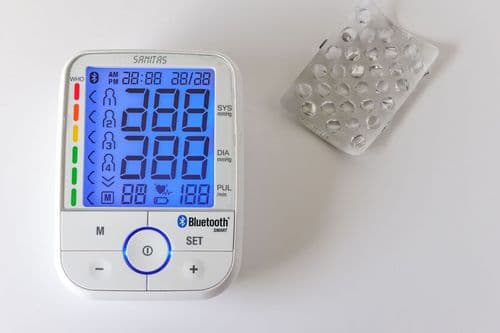
Blood Pressure Medication Recalled Nationwide

Macleods recalled 3,744 bottles of olmesartan, amlodipine and hydrochlorothiazide tablets that failed quality testing. Here are the lots and what to do....

Science & Health

28 October 2026

Post

Conjoined Twin Influencers Dead at 27: José Luis and José Armando Cevallos Cause of Death Explained

José Luis and José Armando Cevallos, 27, died after back-to-back heart attacks days after posting their biggest milestone....

Science & Health

25 October 2026

Post

A Pill to Extend Your Dog's Life Is Almost FDA Approved

A daily pill to extend senior dogs' lives is close to FDA approval — and would be the first drug ever approved to extend lifespan in any species....

Science & Health

22 October 2026

Post

1.58 Million Pounds of Hot Dogs, Bacon, and Deli Meats Just Got Recalled. Check Your Fridge.

Kayem Foods recalled 1.58 million pounds of hot dogs, bacon, deli meats, and more after a warehouse cooler ran at unsafe temperatures. Class I recall...

Science & Health

18 October 2026

Post

112,000 Bottles of Amazon Acetaminophen Recalled Over Discolored Tablets — Here's What to Check

112,000 bottles of Amazon Basic Care Extra Strength Acetaminophen recalled after discolored tablets reported. No health risk assigned. Here's what to check...

Science & Health

17 October 2026

Post

Shigella: The Gut Bug That Spreads Through Sex and Is Running Out of Treatments

Shigella spreads through sex and sends a third of serious cases to hospital. Now it's becoming resistant to antibiotics. Here's what that means...

Science & Health

14 October 2026

Post

Pope Leo Has Lung Cancer. Here's What That Actually Means for the First American Pope.

Pope Leo XIV underwent surgery at Rome's Gemelli Hospital to remove a lung nodule. Here's what a nodule is, what "caught early" means — and what happens next...

Science & Health

13 October 2026

Post

Joe Rogan, Sylvester Stallone, Josh Duhamel — They're All on Testosterone Therapy. Here's What It Actually Does.

Josh Duhamel, Joe Rogan, and Sylvester Stallone are all on testosterone therapy. Here's what TRT actually is — and why men are starting to talk about it....

Science & Health

12 October 2026

Post

The Gas Station: Why a Second-Grade Teacher Created a Designated Fart Corner

An Atlanta teacher created a classroom "fart corner" called the Gusty Winds Area, complete with a neon sign and Febreze. It went viral. Here's the story...

Science & Health

10 October 2026

Post

Cockroach Milk Is 3x More Nutritious Than Cow's Milk. Seriously.

Cockroach milk has 3x the energy of dairy milk. Scientists just won an Ig Nobel Prize for discovering it. Now they're figuring out if humans can actually use it...
Logo
Terms and ConditionsDo Not Sell or Share My Personal InformationPrivacy PolicyPrivacy NoticeAccessibility NoticeUnsubscribe
Copyright © 2026 My Digital Dive