logo
  • Culture
  • Science & Health
  • Psychology
  • AI & Tech
  • Money & Work
  • Games
  • About Us
  • Culture
  • Science & Health
  • Psychology
  • AI & Tech
  • Money & Work
  • Games
  • About Us

September 19, 2026

Science & Health

Ancient Poop May Have Triggered Life on Earth, Scientists Say

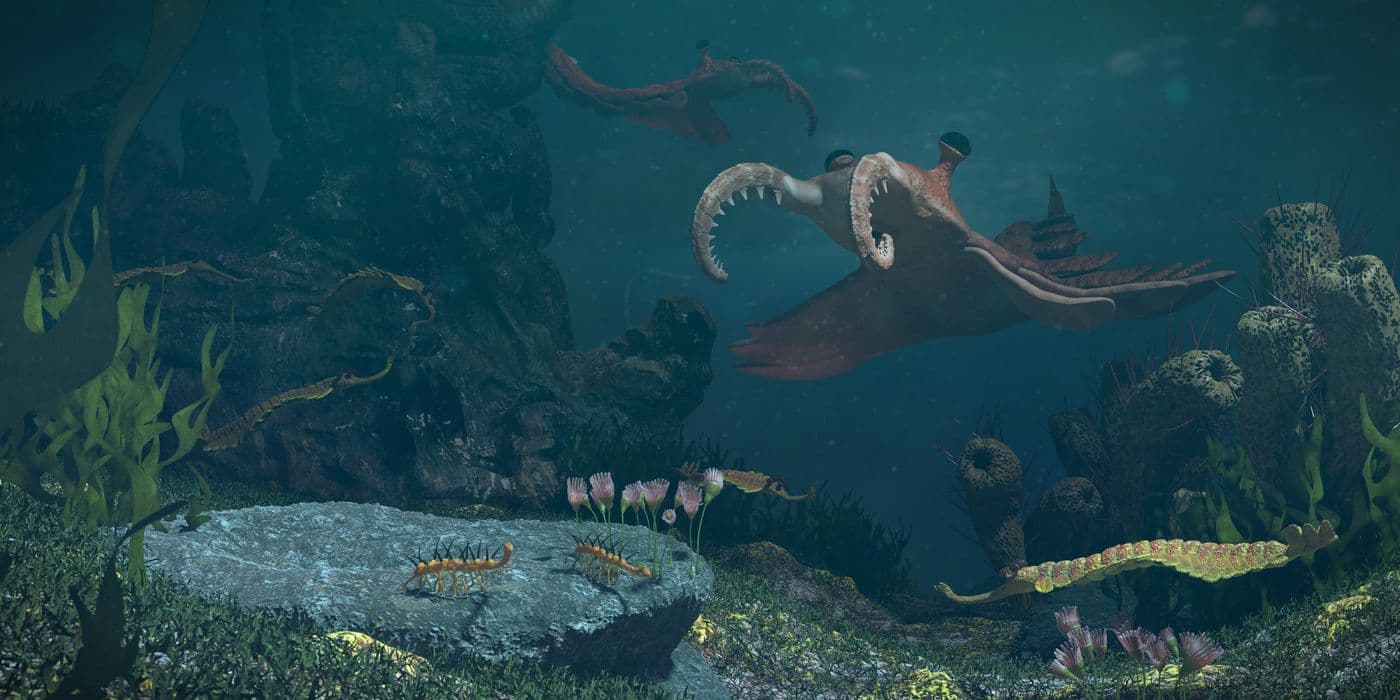
About 540 million years ago, something extraordinary happened. For most of the previous history of life on Earth, organisms had been relatively simple — single-celled creatures, algae, and soft-bodied animals that left few traces behind. Then, in what geologists call the Cambrian explosion, nearly every major group of animals on Earth appeared in the fossil record within a relatively brief window of geological time.

Trilobites. Molluscs. Arthropods. Echinoderms. The ancestors of virtually every complex animal alive today. They emerged with astonishing speed, filling ecological niches that had been empty for billions of years.

Scientists have been trying to explain what triggered this explosion for over a century. Rising oxygen levels. Climatic shifts. Snowball Earth thawing. Evolutionary arms races. Now, researchers from Flinders University have proposed a new contributing factor.

Poop.

The Faecal Revolution

A study published in Trends in Ecology & Evolution argues that a massive increase in fecal matter from early sea creatures — what the researchers call a "faecal revolution" — may have been a core trigger for the Cambrian explosion.

The mechanism is specific. Early animals in the oceans preceding the Cambrian period were simple. As animals with increasingly sophisticated digestive systems evolved, they processed more organic material from the seafloor and water column. Their waste products — feces — were nutrient-rich and mobile. That fecal matter carried carbon, nitrogen, and other essential nutrients into parts of the ocean that had previously been nutrient-poor, creating the conditions for more and more diverse life to thrive.

"Next to rising oxygen levels and other contributing factors, the importance of faeces in ancient ecosystems is often overlooked," said Dr. Russell Bicknell, the Flinders University researcher who led the study. "The faecal revolution could have been key for the emergence of life on Earth as we know it."

What the Fossils Show
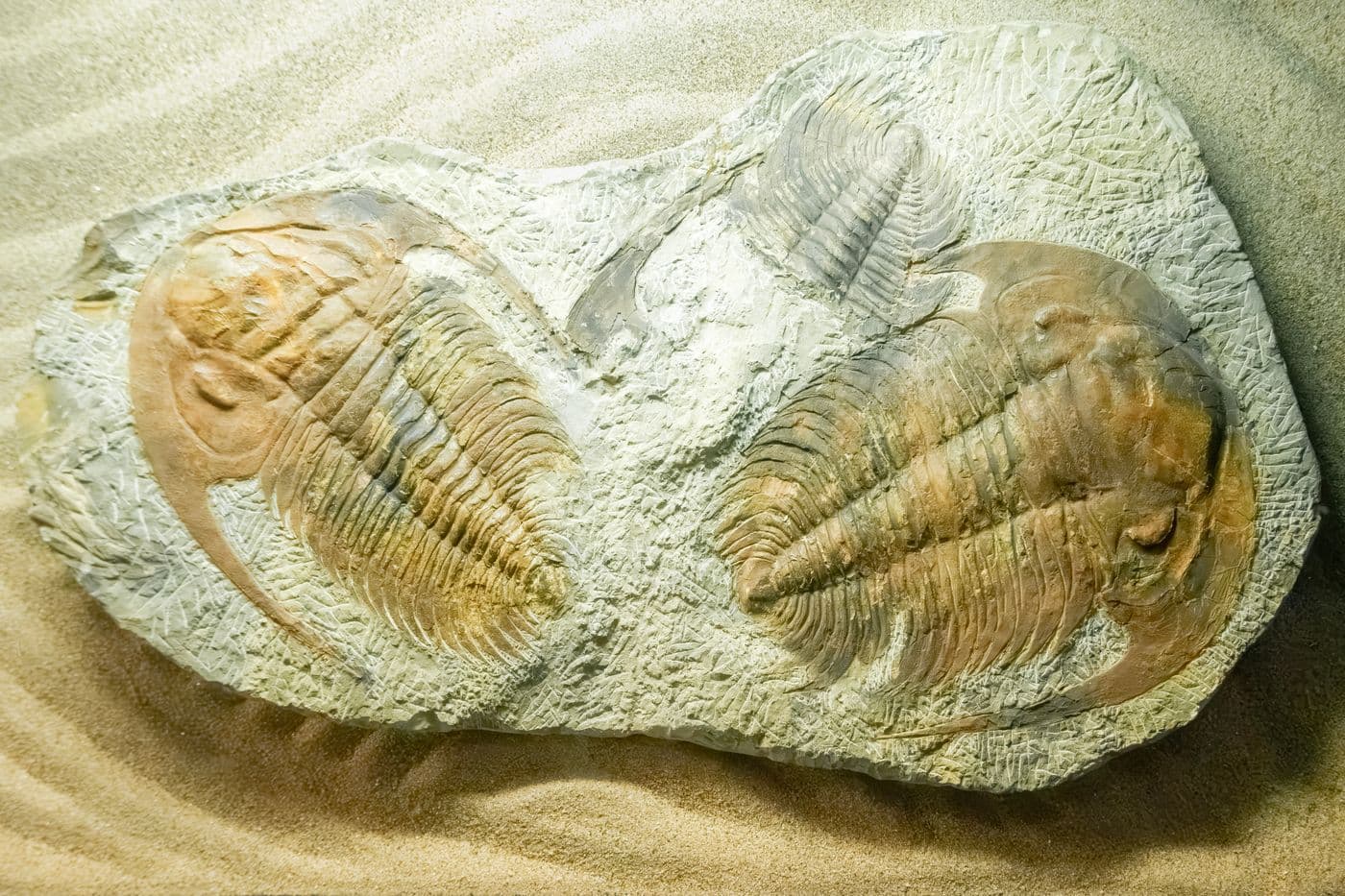
The evidence for the faecal revolution comes, appropriately, from fossilized feces. Paleontologists have a word for this: coprolites. They are one of the stranger categories of fossil, but they carry genuine scientific information — encoding what ancient creatures ate, how they processed food, and what they returned to the environment.

Bicknell's team analyzed how coprolites changed through the Cambrian period. What they found was a clear pattern: the variety and complexity of fossilized feces increased as the Cambrian progressed, tracking closely with the diversification of animal life. Early coprolites were microscopic pellets. Later ones reached centimeter scale, containing shells and fragments of other animals — evidence of increasingly complex food webs.

"It becomes clear in the fossil record that the evolution of feeding strategies aligns with the production and distribution of organic carbon and nutrients," Bicknell said, according to BBC Science Focus.

Why This Matters Beyond Ancient History

The nutrient cycling described in this study is not just a feature of ancient oceans. It is the same principle that underlies agriculture today. Organic waste decomposing into soil nutrients, cycling through ecosystems, feeding new growth — the logic of fertilizer is the logic of the faecal revolution, operating on a planetary scale over millions of years.

"It starts creating conditions we see in modern oceans and later on land, where fertiliser today is used to produce our food," Bicknell noted.

What the Flinders University team is proposing is that poop isn't just an end product of life. It was, 540 million years ago, one of the engines of it. The waste from the simplest early animals created the nutrient conditions that made more complex animals possible — which produced more and richer waste — which enabled even more complex life.

The Cambrian explosion is one of the most dramatic events in Earth's history. It gave rise to virtually every animal alive today, including the one reading this. Scientists have been searching for its trigger for a very long time.

Turns out poop may have had something to do with it.

Related Content

Science & Health

17 November 2026

Post

What Killed the Amazon Driver Found in Her Van?

The medical examiner ruled an Amazon driver found unresponsive in her van died of carbon monoxide poisoning. Here's what investigators found...

Science & Health

12 November 2026

Post

Gourmia Air Fryer Oven Recall: 175,951 Target Ovens Recalled After 40 Burn Injuries

Gourmia recalled 175,951 air fryer ovens sold at Target after 40 burn injuries. Here's the model number to check and how to get a free repair kit...

Science & Health

11 November 2026

Post

FDA Orders Vision-Loss Warning on GLP-1 Drugs

The FDA ordered a new vision-loss warning on all GLP-1 drugs, including Ozempic and Zepbound. Here's what NAION is and how big the risk is....

Science & Health

09 November 2026

Post

Federal Hemp Ban 2026: Which THC and CBD Products Become Illegal on Dec. 11

A federal hemp ban takes effect Dec. 11, capping total THC at 0.4 mg per container. Here's which gummies, drinks and CBD products are affected...

Science & Health

08 November 2026

Post

Which Cereals Have Lead? What a 77-Cereal Study Found

A study of 77 breakfast cereals found detectable lead in 12 of 13 chocolate varieties. Here's what it means and which four cereals passed every screening....

Science & Health

04 November 2026

Post

Blood Pressure Medication Recalled Nationwide

Macleods recalled 3,744 bottles of olmesartan, amlodipine and hydrochlorothiazide tablets that failed quality testing. Here are the lots and what to do....

Science & Health

28 October 2026

Post

Conjoined Twin Influencers Dead at 27: José Luis and José Armando Cevallos Cause of Death Explained

José Luis and José Armando Cevallos, 27, died after back-to-back heart attacks days after posting their biggest milestone....

Science & Health

25 October 2026

Post

A Pill to Extend Your Dog's Life Is Almost FDA Approved

A daily pill to extend senior dogs' lives is close to FDA approval — and would be the first drug ever approved to extend lifespan in any species....

Science & Health

22 October 2026

Post

1.58 Million Pounds of Hot Dogs, Bacon, and Deli Meats Just Got Recalled. Check Your Fridge.

Kayem Foods recalled 1.58 million pounds of hot dogs, bacon, deli meats, and more after a warehouse cooler ran at unsafe temperatures. Class I recall...

Science & Health

18 October 2026

Post

112,000 Bottles of Amazon Acetaminophen Recalled Over Discolored Tablets — Here's What to Check

112,000 bottles of Amazon Basic Care Extra Strength Acetaminophen recalled after discolored tablets reported. No health risk assigned. Here's what to check...

Science & Health

17 October 2026

Post

Shigella: The Gut Bug That Spreads Through Sex and Is Running Out of Treatments

Shigella spreads through sex and sends a third of serious cases to hospital. Now it's becoming resistant to antibiotics. Here's what that means...

Science & Health

14 October 2026

Post

Pope Leo Has Lung Cancer. Here's What That Actually Means for the First American Pope.

Pope Leo XIV underwent surgery at Rome's Gemelli Hospital to remove a lung nodule. Here's what a nodule is, what "caught early" means — and what happens next...

Science & Health

13 October 2026

Post

Joe Rogan, Sylvester Stallone, Josh Duhamel — They're All on Testosterone Therapy. Here's What It Actually Does.

Josh Duhamel, Joe Rogan, and Sylvester Stallone are all on testosterone therapy. Here's what TRT actually is — and why men are starting to talk about it....

Science & Health

12 October 2026

Post

The Gas Station: Why a Second-Grade Teacher Created a Designated Fart Corner

An Atlanta teacher created a classroom "fart corner" called the Gusty Winds Area, complete with a neon sign and Febreze. It went viral. Here's the story...

Science & Health

10 October 2026

Post

Cockroach Milk Is 3x More Nutritious Than Cow's Milk. Seriously.

Cockroach milk has 3x the energy of dairy milk. Scientists just won an Ig Nobel Prize for discovering it. Now they're figuring out if humans can actually use it...
Logo
Terms and ConditionsDo Not Sell or Share My Personal InformationPrivacy PolicyPrivacy NoticeAccessibility NoticeUnsubscribe
Copyright © 2026 My Digital Dive