
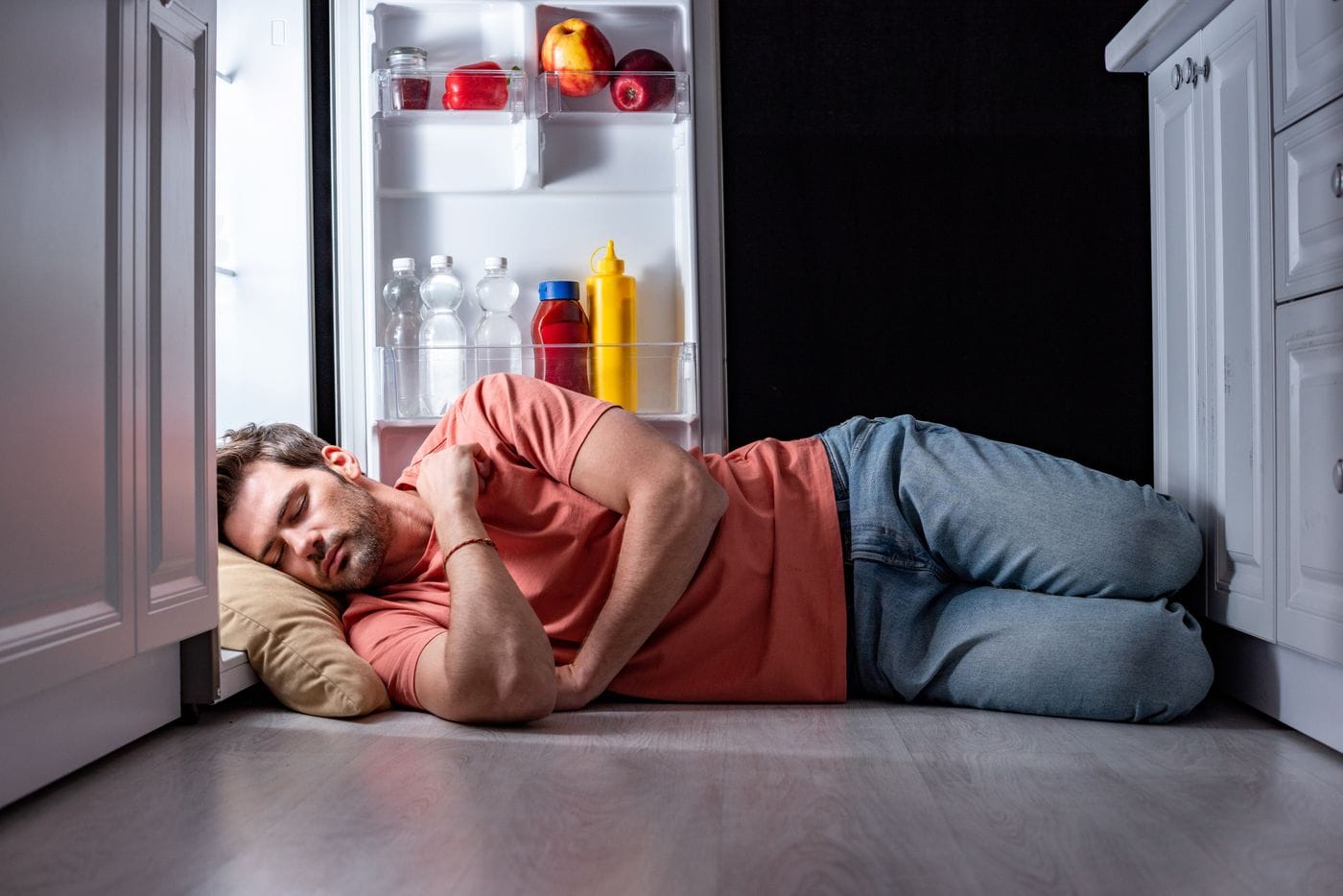
You went to bed at a reasonable hour. You got eight hours. You woke up exhausted. If this has been happening since the heat arrived, the room temperature is probably the reason — and a specific piece of sleep science explains why heat does so much more damage to your sleep than most people realize.
Your body needs to drop its core temperature by roughly 1 to 2 degrees Fahrenheit to fall asleep, and continues dropping throughout the night. The transition into deep sleep — the slow-wave stage responsible for physical recovery and feeling genuinely rested — depends on this thermal drop continuing. When room temperature stays high, the body can't complete that descent. "Overheating during sleep can significantly reduce sleep quality and duration," said Dr. Allie Hare, sleep consultant and Tatler Top Doctor for Sleep. "In particular, being too hot at night can reduce slow wave, or deep, sleep — the stage that helps us awaken feeling rested." According to NOAA's 2026 summer outlook, above-average temperatures are forecast across all 50 states for the season ahead.
The Shower Mistake Most People Make
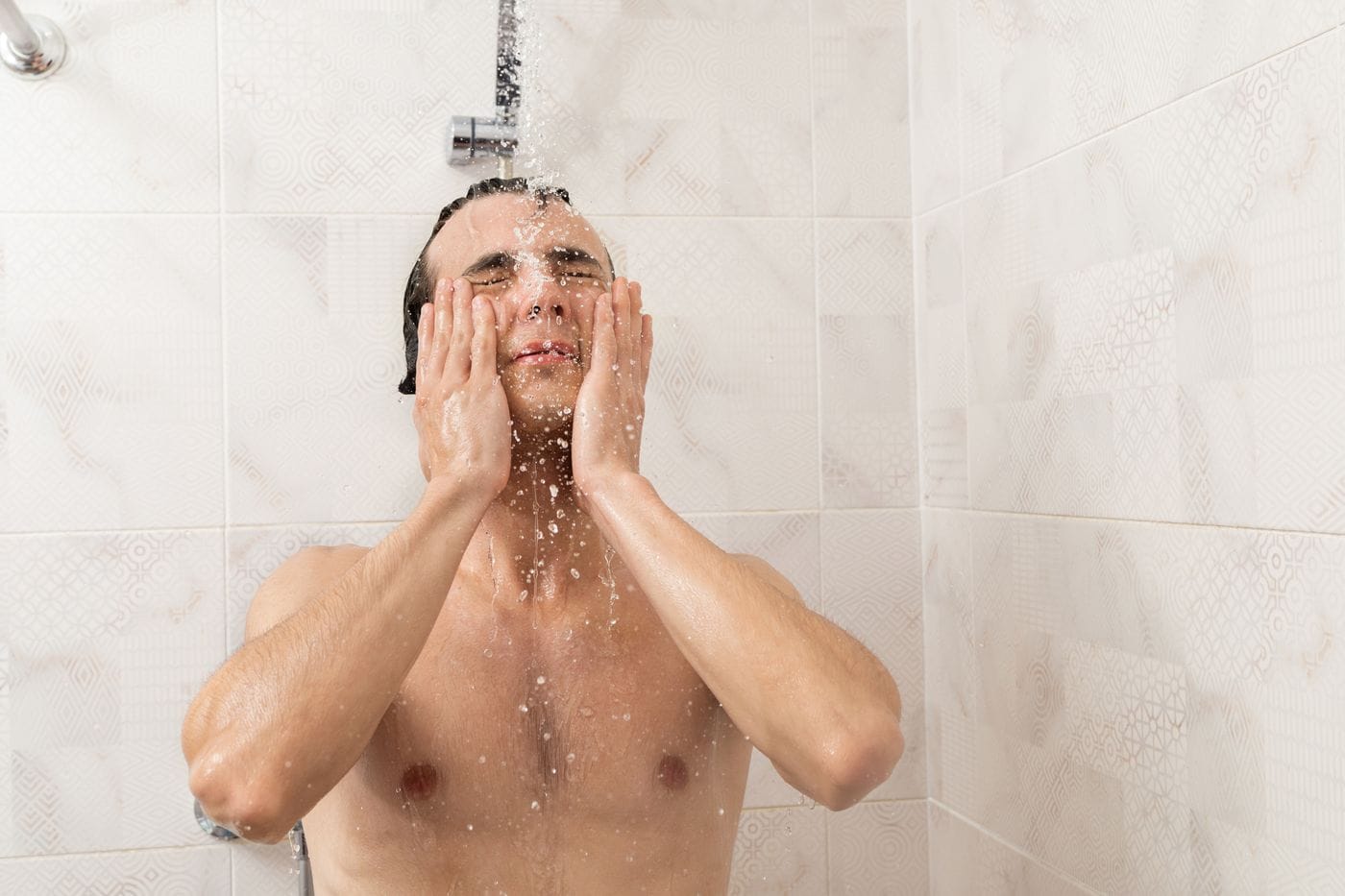
When it's hot and you can't sleep, a cold shower feels like the obvious solution. Sleep experts say it's the wrong call.
A cold shower stimulates the body — the shock of cold water triggers an alert response that makes it harder to wind down. What works better is a lukewarm shower taken about an hour before bed. Lukewarm water causes the blood vessels in the skin to dilate. When you step out of the shower into the cooler air, the dilated vessels release heat more efficiently, and your core temperature drops faster than it would have without the shower.
This counterintuitive fix — intentionally warming the surface of your skin in order to lose heat more quickly afterward — is one of the most consistently supported techniques in sleep research. The temperature of the shower matters. Lukewarm only.
What You're Doing to Your Room That's Making It Worse
The instinct to open windows during a heat wave is understandable but often counterproductive. If the outside air temperature is higher than the indoor temperature, opening windows brings heat in. The correct timing is to keep windows closed and curtains drawn during the hottest part of the day — preventing the room from becoming a greenhouse — and open windows only once the outside temperature drops below the indoor temperature, typically in the evening or overnight.
The ideal sleep temperature for most people is between 65 and 68°F. Above 75°F, sleep quality begins to degrade measurably. Above 80°F — where some bedrooms have been sitting all night during this heat wave — the body simply cannot complete the thermal descent that deep sleep requires.
Bedding matters more than people think. Cotton and bamboo allow airflow and absorb moisture; synthetic fabrics trap heat. Avoid thick duvets. Sleeping spread out rather than curled helps air circulate around the body; sleeping on your side releases heat from your back.
Three Things Raising Your Core Temperature Before Bed
Sleep experts consistently identify the same three culprits for heat-related sleep disruption that people don't connect to temperature:
Alcohol. A nightcap feels like it helps sleep because it makes you feel drowsy. It actually raises core body temperature and disrupts sleep architecture, producing lighter, less restorative sleep. Skipping the nightcap during a heat wave pays off measurably.
Heavy meals eaten close to bedtime. Digestion generates heat. Eating light in the evening keeps core temperature lower going into sleep.
Late exercise. Exercise raises body temperature for hours. If you're exercising in the evening, you may be trying to fall asleep before your thermal recovery is complete. Moving workouts to the morning eliminates this problem.
The Fixes That Actually Work
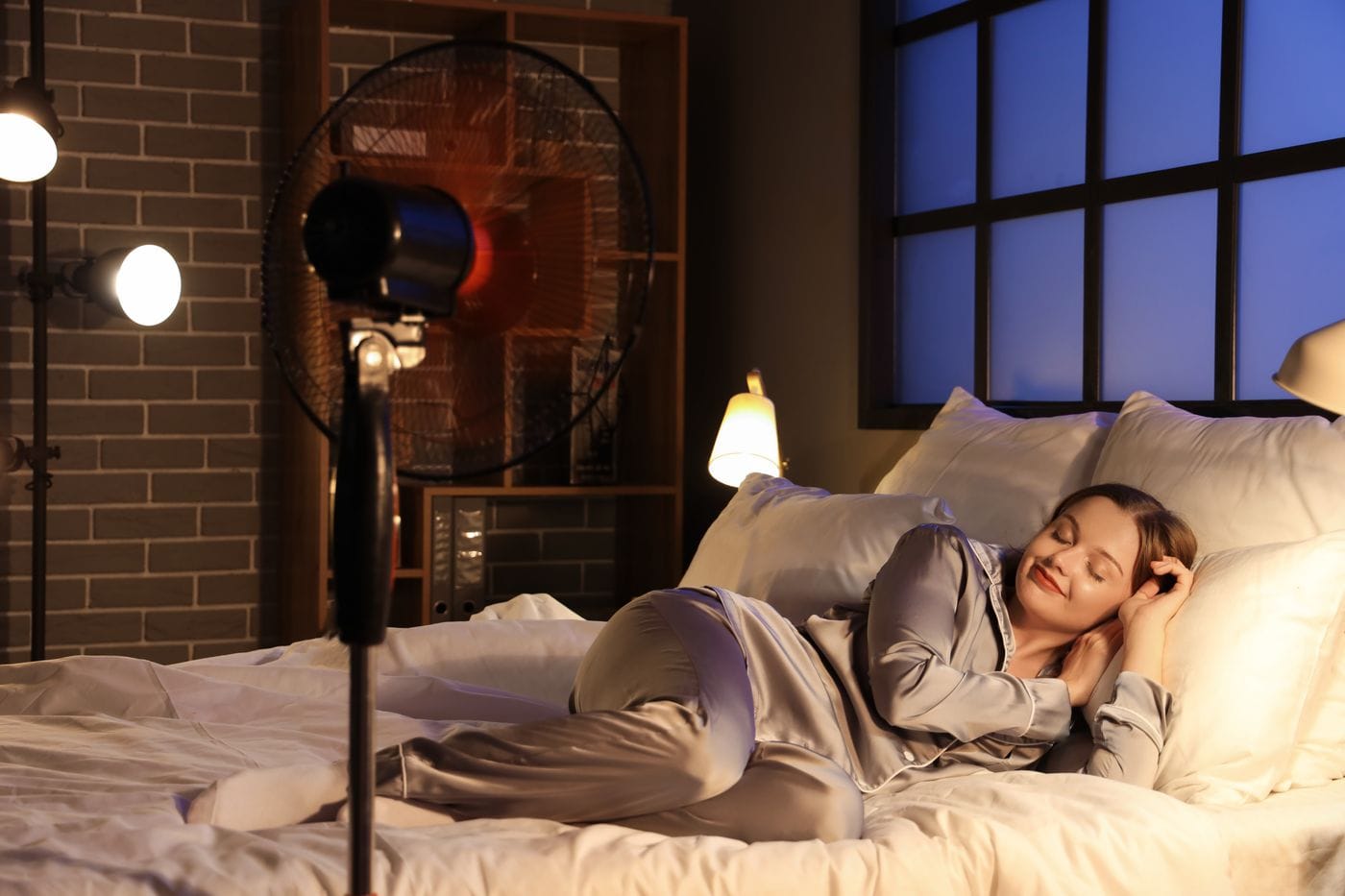
A fan is most effective when positioned to move air across your body, not just circulate it in the room. One trick that outperforms expensive cooling products: place a shallow tray of ice in front of a fan. The air passes over the ice and drops in temperature before reaching you — a low-cost version of what cooling units do mechanically.
Keeping your body hydrated throughout the day, not just before bed, helps the body regulate temperature overnight. Drinking large amounts of water right before bed sends you to the bathroom at 2am, compounding the problem.
Cooling mattress toppers, bamboo pillowcases, and temperature-regulating sheets are consistent performers for people dealing with repeated heat-related sleep disruption. A frozen pillowcase — put your pillowcase in the freezer for five minutes before bed — is the low-cost version that works about as well.
The 2026 summer isn't getting cooler. But bad sleep isn't inevitable.














