
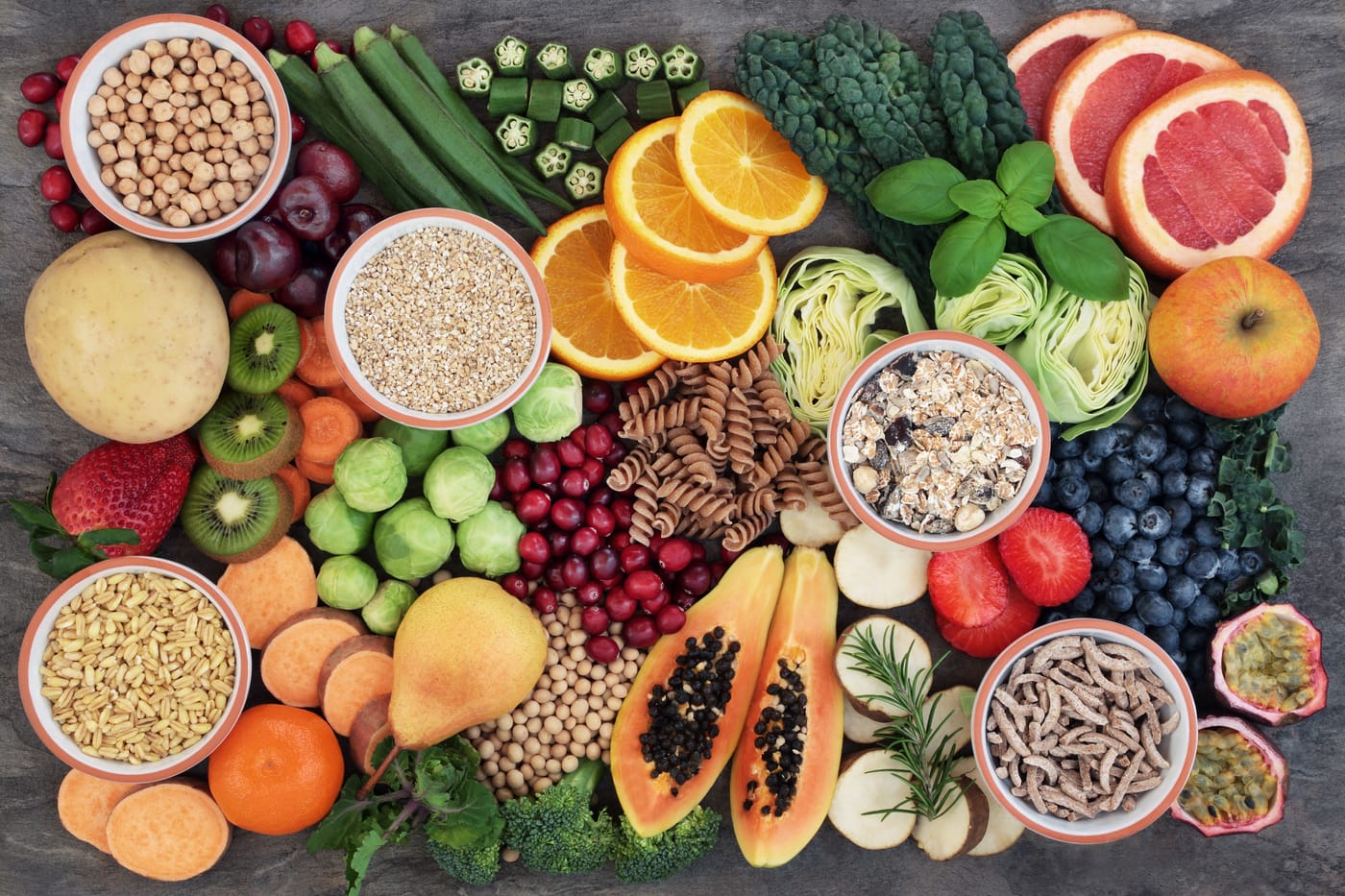
Only about 1 in 10 Americans eats enough fiber. The recommended daily amount is 25 to 38 grams — roughly 14 grams per 1,000 calories consumed — and the average U.S. adult gets around 10 to 15 grams a day. That gap is a bigger deal than most people realize, and not primarily for the reasons they'd assume.
TikTok has been running a "fibermaxxing" trend — health professionals posting about maximizing fiber intake — and for once, nutritionists are not rolling their eyes. "Basically, no one eats enough fiber," says Hannah Holscher, a professor of nutrition at the University of Illinois Urbana-Champaign. "I kind of appreciate the trend."
What Fiber Actually Does Beyond the Bathroom
Most people associate fiber with digestion. That's accurate but incomplete. Fiber is the primary food source for the trillions of bacteria living in your gut — and those bacteria produce compounds that affect your immune system, blood sugar regulation, cholesterol levels, and emerging research suggests, mood. When you don't eat enough fiber, those bacteria don't just get less active. They start breaking down the gut lining itself for fuel.
The downstream effects of chronic low fiber intake are measurable. Getting adequate fiber reduces the risk of cardiovascular disease, type 2 diabetes, obesity, and colorectal cancer. A meta-analysis published in The Lancet found that higher fiber intake is associated with a meaningfully lower risk of dying from any cause. This isn't a supplement with a marginal benefit — it's a foundational dietary variable that most people are consistently missing.
The 30-Source Study That Changed How Researchers Think
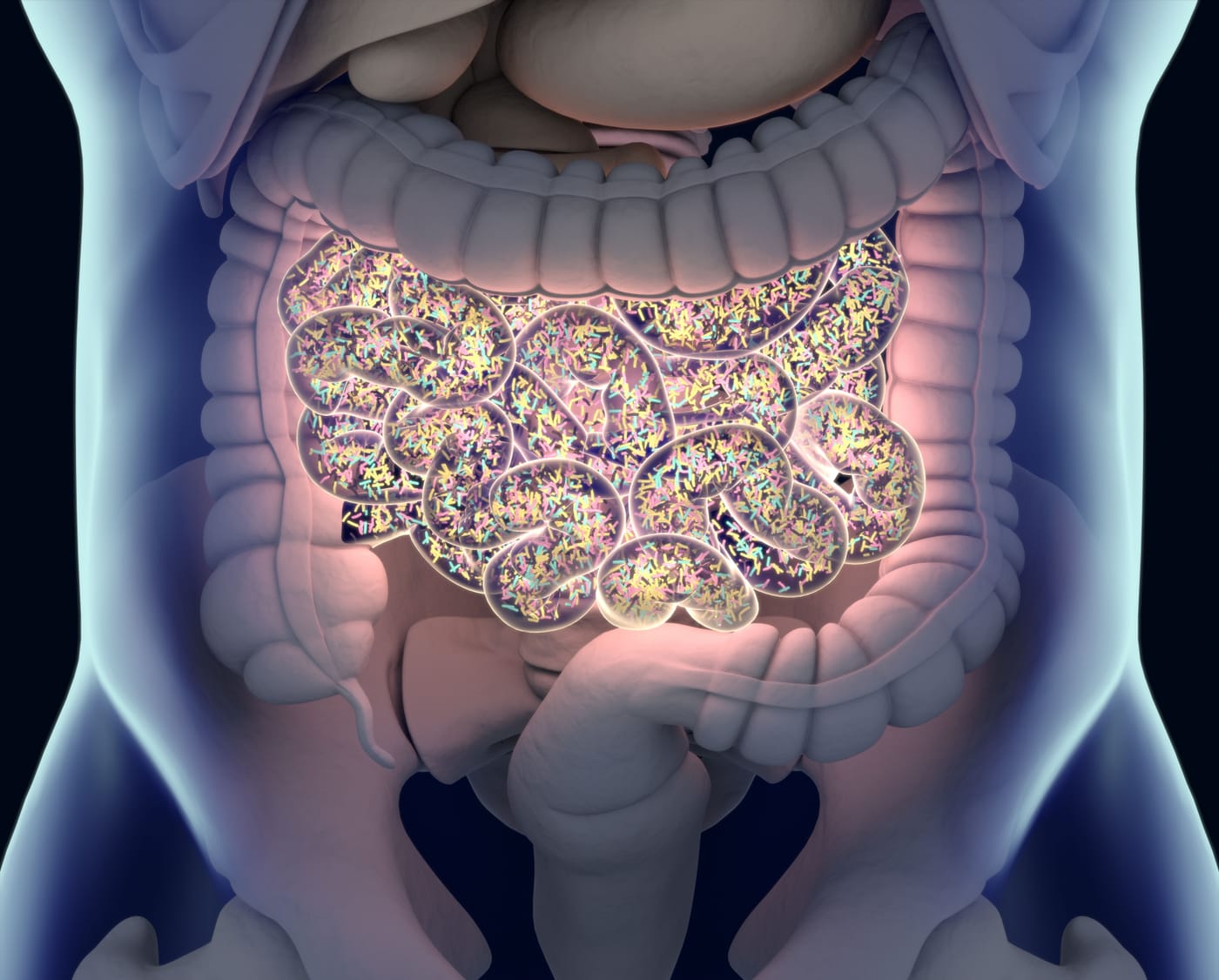
The microbiome research has gotten specific in interesting ways. One study found that people who ate more than 30 different plant-based fiber sources per week — as opposed to relying on the same few foods — had significantly more diverse gut microbe populations and higher levels of beneficial bacteria that produce health-promoting compounds.
Thirty sources sounds like a lot. It isn't, once you start counting: an apple, a banana, some almonds, a bowl of oats, a handful of spinach, some black beans, a carrot — that's seven before lunch. Holscher recommends aiming for five different fiber sources per day as a practical starting point. Most people can find that in their kitchen without a special trip to the store.
Where to Actually Get It
There are two types of fiber and both matter. Soluble fiber — found in oats, beans, lentils, apples, chia seeds, and mushrooms — dissolves in water and helps regulate blood sugar and cholesterol. Insoluble fiber — found in whole grains, kale, nuts, seeds, and most vegetables — doesn't dissolve and helps keep digestion moving. Most whole plant foods contain both, so variety matters more than trying to track which type you're eating.
Registered dietitian Yasi Ansari notes that whole food sources of fiber also deliver antioxidants, vitamins, and minerals that fiber supplements can't replicate. Supplements can help fill gaps, but they're not a substitute for the food itself, which packages the fiber with everything else the plant contains.
The One Thing That Goes Wrong When You Start

Adding fiber too quickly is the most common mistake. Going from 12 grams a day to 38 grams overnight causes bloating, cramping, and gas — which convinces people the whole enterprise was a mistake. The approach Holscher recommends is gradual: add a few grams per meal, give your gut microbes a few weeks to adjust, and drink more water throughout the process.
The TikTok end of fibermaxxing occasionally pushes for 80 or more grams per day. That's not based on evidence and can cause real discomfort for anyone not already adapted to very high fiber intake. The goal is hitting the recommended daily amount consistently — not maximizing a number on an app.
Fiber has been consistently overlooked in nutrition conversations because it lacks the drama of protein, the controversy of fat, or the cultural cachet of probiotics. The science, however, has been clear for decades. It just took TikTok to make anyone pay attention.














