
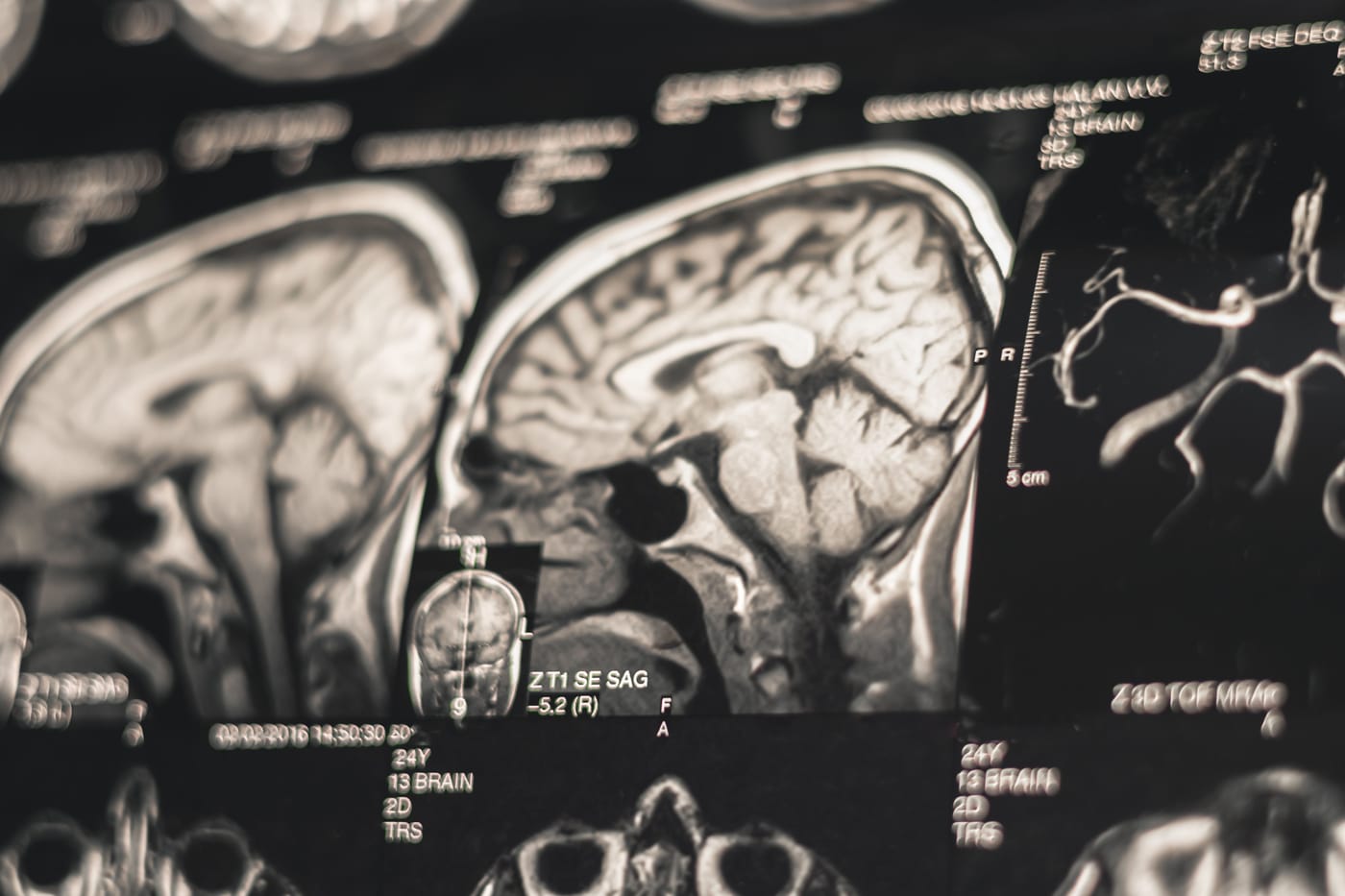
The biological changes that lead to dementia — the accumulation of the proteins, the vascular damage, the metabolic stress — begin approximately 15 to 20 years before any symptoms appear. Which means that by the time someone receives a diagnosis in their 70s, the trajectory was being set in their 50s.
This is the framing that neuroscientist Miia Kivipelto has spent her career building research around. Now 52 herself, she recently joined Yale School of Nursing as the inaugural director of its Center for Aging Well. "Midlife is the time," she told The Washington Post. "It's the last best chance to lower risk."
Dementia Starts 20 Years Before You Notice It
The reason researchers have increasingly focused on midlife — roughly ages 40 to 65 — is that this is when the brain remains most responsive to positive change. The window doesn't close abruptly, but it narrows. Biological shifts in metabolism, immune function, and cardiovascular health during these years directly affect how the brain ages, because all three regulate oxygen delivery, nutrient transport, and inflammation in the brain.
What the latest research suggests is that most of the cognitive decline we associate with aging is not inevitable — it's the accumulated result of years of choices about sleep, movement, stress, social connection, and mental engagement. The habits you're building in your 40s and 50s are not just affecting how you feel now. They are setting your brain's baseline for the decades ahead.
The 7 Activities Linked to Protection

A study from Trinity College Dublin, examining 700 cognitively healthy adults between ages 40 and 59, identified seven lifestyle activities that strengthen what researchers call cognitive reserve — the brain's ability to adapt and remain resilient over time. The seven are: socializing regularly, playing a musical instrument, pursuing artistic activities, physical exercise, reading, practicing a second language, and travel.
The finding that's most relevant for anyone making decisions about how to spend their time: it's the mix that matters, not any single activity. The brain benefits most from variety — from being asked to do genuinely different things. A routine that covers only physical health or only cognitive stimulation misses the compounding effect that comes from combining them.
What Worked More Than Genetics
The Trinity study included participants both with and without the APOE ε4 gene — the most well-known genetic risk factor for Alzheimer's disease. About one-third of participants carried it.
The lifestyle habits proved to have a greater impact on cognitive outcomes than whether or not participants carried the genetic risk factor. A separate analysis published in Alzheimer's & Dementia found that a higher score for lifetime cognitive enrichment — activities that mentally engage and challenge — corresponded to a 38% lower risk of Alzheimer's and a 36% lower risk of mild cognitive impairment.
This doesn't eliminate genetic risk. But it substantially modifies it. The genes set a tendency; the habits determine how far that tendency goes.
What the Window Actually Looks Like From Here
The Washington Post piece also highlights what tends to quietly erode brain health in midlife, even in people who would otherwise describe themselves as reasonably healthy. Chronic low-grade stress — the sustained activation of the body's threat-response systems over months and years — is consistently linked to increased neuroinflammation and accelerated brain aging. A landmark US POINTER study published in JAMA found that structured lifestyle changes, including exercise, diet, and stress management, significantly improved brain health and lowered Alzheimer's risk over a two-year period.
Mediterranean-style eating patterns have been associated with improved memory and processing speed. Sleep, especially the deep slow-wave phases, is when the brain clears metabolic waste — and inadequate sleep at midlife is one of the strongest modifiable risk factors researchers have identified.
None of these is new information, exactly. But the framing matters. These aren't just health habits. They're bets being placed, right now, on what the brain will be able to do in twenty years. The window is still open. Not forever.














