
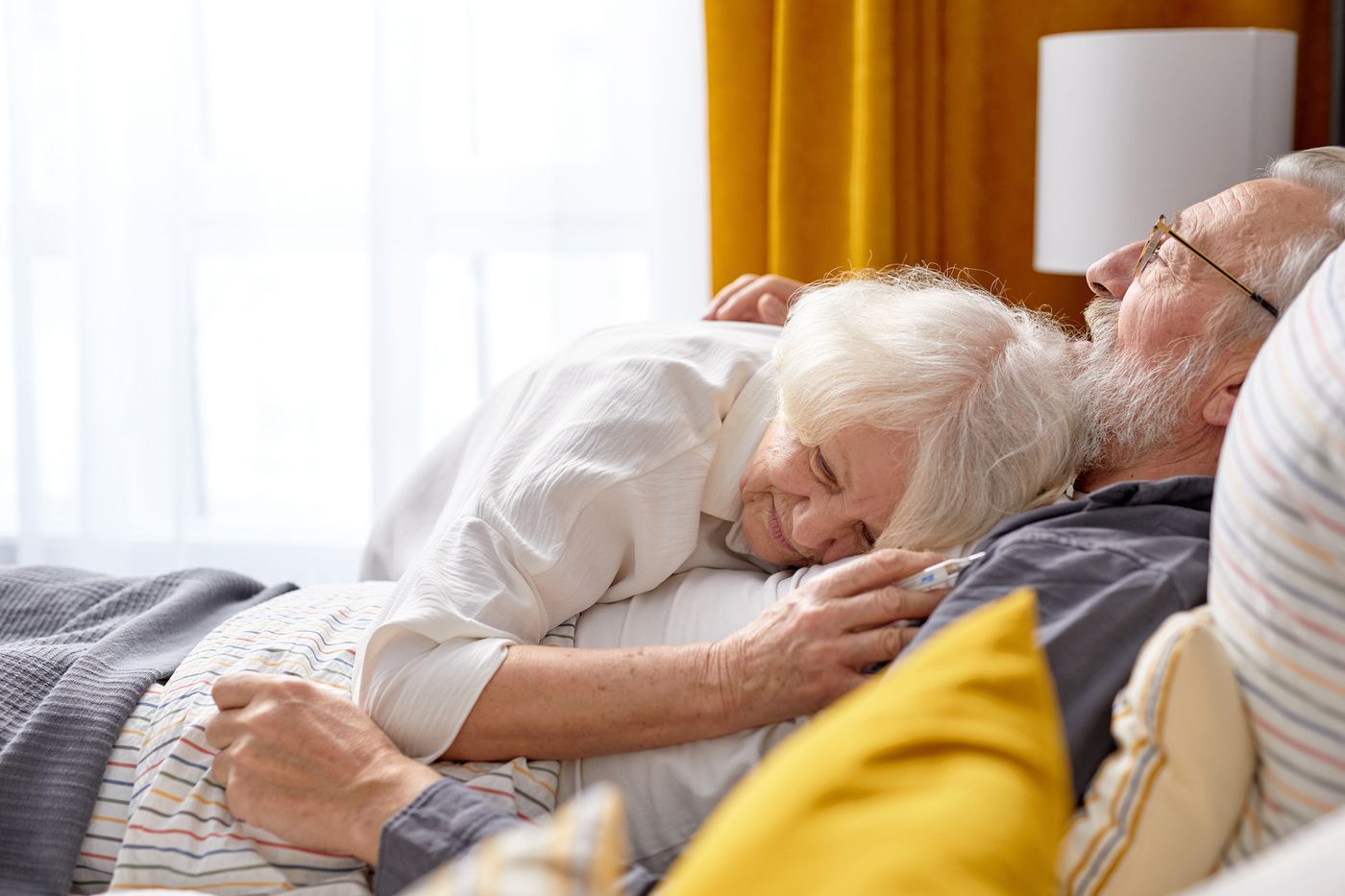
More than one million Americans are living with Parkinson's disease right now. Most of them are in relationships. And most of their partners have discovered, often gradually and without any roadmap, that the illness changes not just daily routines and medical schedules — it changes the closeness that holds relationships together.
The conversation is overdue. USA Today's recent reporting on intimacy and chronic illness — featuring voices from Parkinson's patients and their partners, alongside therapists and medical experts — surfaces what couples rarely say out loud, and what the people who have navigated it most successfully seem to understand.
How Parkinson's Changes Physical Connection
Parkinson's disease produces a constellation of symptoms that interact with physical closeness in specific, underappreciated ways. Tremors, muscle rigidity, bradykinesia (slowed movement), and fatigue are the most familiar. But one symptom in particular creates a specific relational challenge: facial masking.
Facial masking occurs when the same muscle stiffness and slowness that can affect walking and movement also affects the muscles of the face. The result is a reduced range of facial expression — a face that can appear flat, blank, or uninterested even when the person behind it feels warmth, desire, and connection. Partners regularly report that they struggle not to interpret this as emotional distance when it is in fact neurological symptom.
Medication effects add complexity. Dopamine agonists — a common class of medication used to manage Parkinson's — can cause hypersexuality as a side effect in some patients while decreasing libido in others. Depression and anxiety, which are highly prevalent in Parkinson's disease, further affect desire and connection. The result is a situation in which the physical and emotional landscape of a relationship can shift significantly, in multiple directions, often simultaneously.
The Caregiver Trap
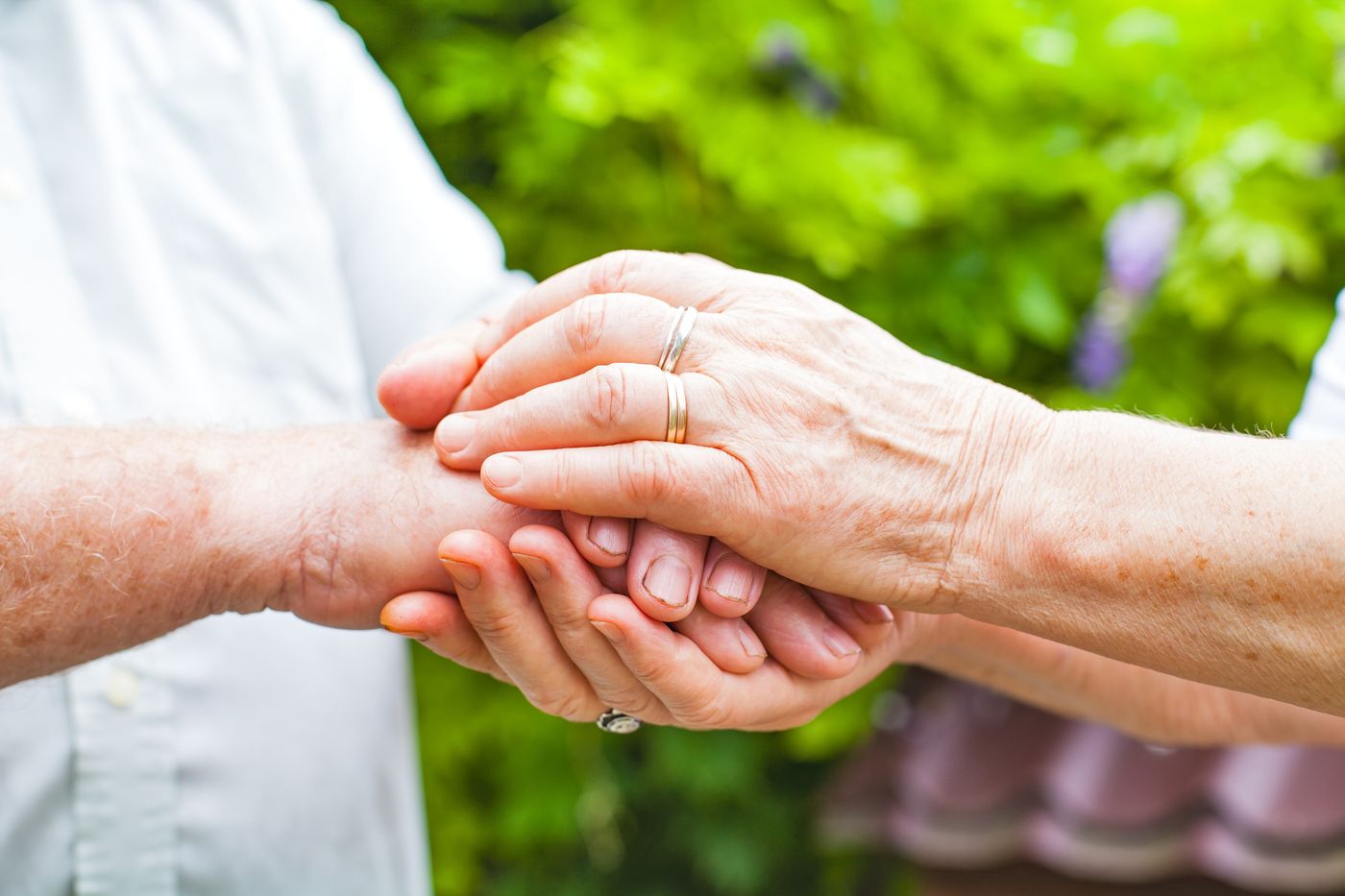
One of the less-discussed dynamics in long-term illness is what happens to a relationship when one partner gradually assumes a caregiving role. The transition often happens without anyone deciding it will. Medical appointments require coordination. Medication schedules need managing. Help with daily tasks becomes routine. And over time, the partner who is providing care may find that the shape of their role in the relationship has shifted from partner to caregiver — a shift that, without active attention, can quietly affect how both people relate to each other.
"When one member of a couple has Parkinson's, there are additional hurdles with unanticipated changes in the couple's physical, emotional, and functional relationship," the American Parkinson Disease Association notes. "One or both partners may be more tired, and may experience depression or grief as a result of the illness or contemplating an altered future."
The key insight from couples who have navigated this: maintaining the relationship alongside the caregiving requires deliberate effort to carve out time and space that isn't organized around the illness. Walks, coffee, reading aloud, watching something together — activities that restore the experience of being a couple, not a patient and a caregiver.
What Experts Say Works
The Parkinson's Foundation, working with certified sex therapist and researcher Gila Bronner, has distilled what couples who maintain closeness through chronic illness tend to have in common. The findings are consistent with what couples report themselves:
Communication is the single most consistent predictor of relational resilience. Couples who talk openly about what has changed, what they need, what they miss, and what they are still able to share — even when those conversations are uncomfortable — consistently report stronger connections than those who avoid the topic. The avoidance is understandable. The cost is real.
Broadening the definition of intimacy beyond any single expression of it is equally important. Touch — hand-holding, sitting close, a hand on a shoulder — communicates connection and acceptance in ways that don't require physical capacity that may have changed. Emotional intimacy, intellectual closeness, and shared humor are all forms of connection that Parkinson's does not take away.
Working with a therapist who has specific experience with chronic illness and relationships is something experts consistently recommend and couples consistently report not pursuing early enough. The Parkinson's Foundation offers resources through its helpline and local chapters. The APDA has published guidance specifically on navigating relationship changes.
The Conversation Nobody Is Having

The couples who come through this most intact are not the ones who were spared difficulty. They are the ones who had the conversation — about what mattered, what had changed, what they still wanted for their relationship — rather than waiting for the illness to make those decisions for them.
Parkinson's is a progressive disease. The conversation gets harder the longer it's deferred. And the thing it most requires — openness between two people who trust each other — is also the thing most likely to be available right now, if either person is willing to start.














