

On the evening of July 11, 2026, Senator Lindsey Graham returned to Washington after his tenth wartime trip to Ukraine. His office reported he was feeling fine. Emergency services were called to his D.C. home for cardiac arrest. He was 71, and he was dead.
The D.C. medical examiner's preliminary finding attributed his death to an aortic dissection due to arteriosclerotic cardiovascular disease — a cardiovascular emergency that had given, as far as anyone knew, no warning signs at all.
Graham is not alone in that category. John Ritter died from an aortic dissection at 54. Alan Thicke at 69. The condition's sudden, catastrophic nature means it frequently kills before anyone realizes what is happening.
What an Aortic Dissection Actually Is
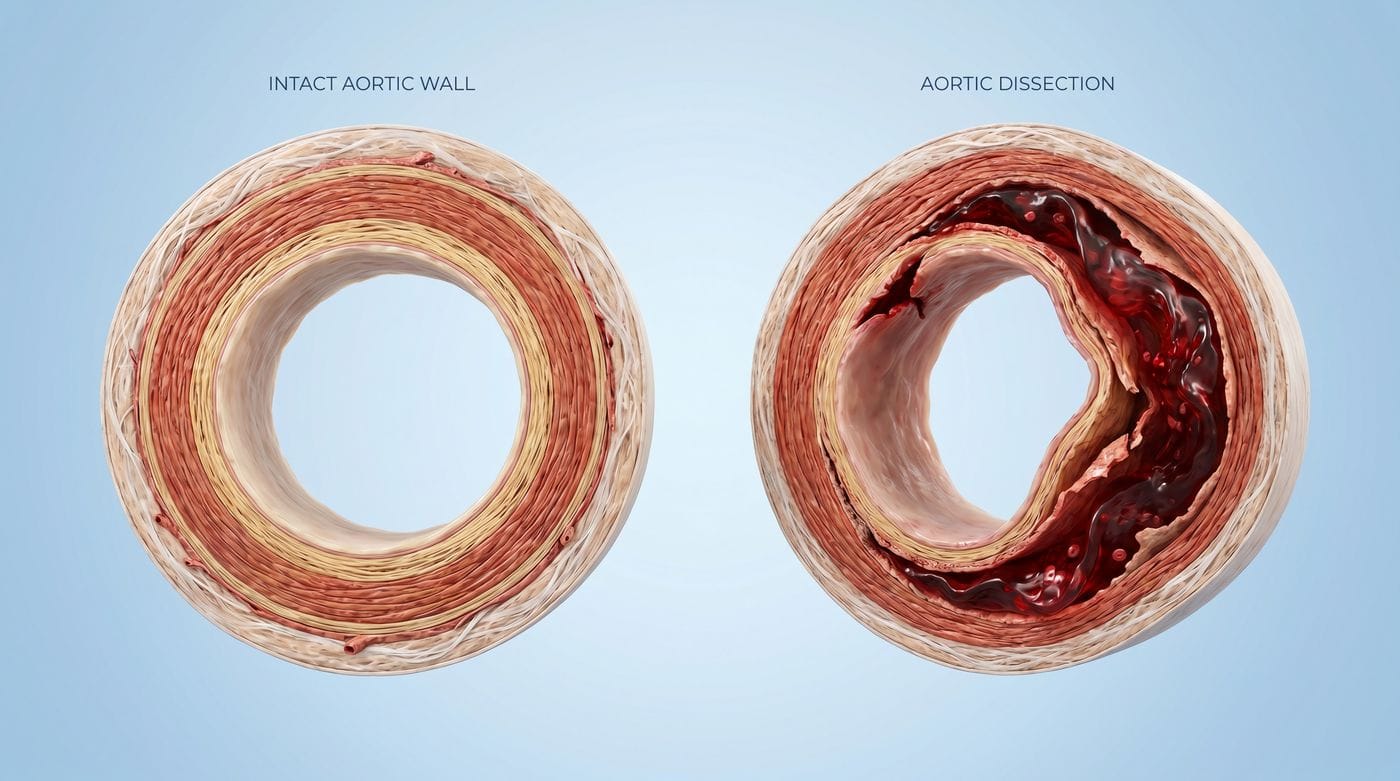
The aorta is the body's largest artery — the main highway through which blood travels from the heart to the rest of the body. An aortic dissection occurs when the innermost layer of the aortic wall tears, allowing blood to rush between the layers of the vessel wall. Once inside that space, the blood creates a false channel that separates the layers and weakens the entire structure.
"It's similar to paint peeling off a wall," said Dr. Neel Mansukhani of Northwestern University Feinberg School of Medicine, speaking to Axios. "And that brings a lot of consequences depending on where the tear is."
There are two types. Type A, the more common and more dangerous form, involves the section of the aorta closest to the heart. It can cause immediate cardiac arrest when blood presses against the heart's surrounding sac, stopping the heart. Type B involves the descending aorta further down the chest and is less immediately fatal, sometimes treated with medication and monitoring rather than emergency surgery.
Why It's Frequently Fatal Before Treatment Reaches You
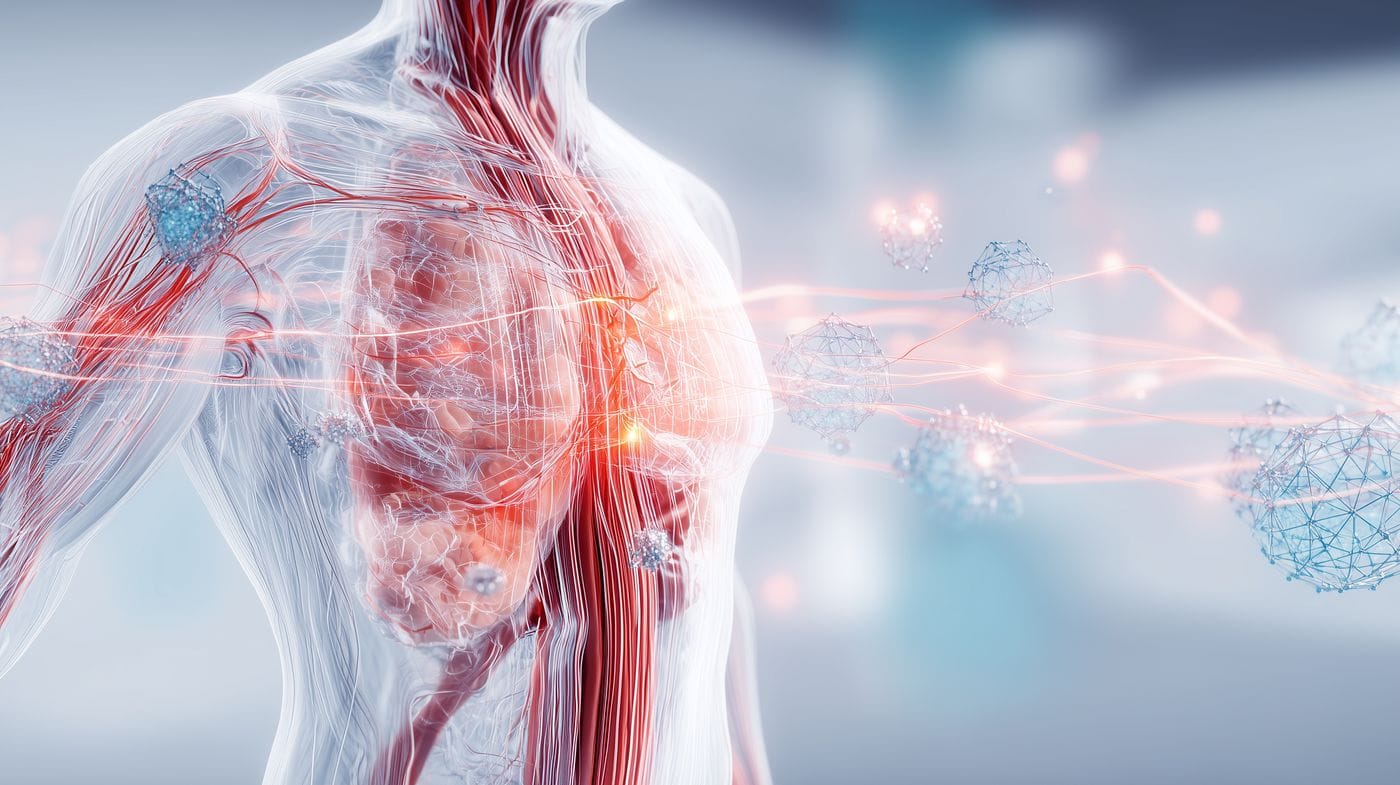
Aortic dissection affects an estimated 5 to 30 people per million — rare enough that many doctors in emergency settings don't consider it immediately. The problem is that its most common symptoms closely mimic those of a heart attack or stroke: severe chest or back pain, shortness of breath, loss of consciousness. Standard ER heart tests do not detect it. Only a CT scan can confirm the diagnosis.
According to the University of Chicago Medicine, risk of death increases approximately 4% for every hour the condition goes untreated. For the most severe Type A dissections, roughly half of patients die before receiving any emergency care — either because the event happened too far from a hospital, because the dissection was misidentified, or because, as in Graham's case, the first symptom was collapse.
"When it does happen, it tends to be sudden and deadly," said Gian Corrado of Northeastern University, speaking to their medical team. "The dissection weakens the wall of the aorta. It ruptures, blood escapes into the sac that surrounds the heart — and they have a cardiac arrest."
Risk Factors and Who Needs to Know Them
The condition is most common in men in their 60s and 70s. The single biggest modifiable risk factor is high blood pressure — uncontrolled hypertension over years stiffens and weakens the aortic wall, setting the stage for a tear. Smoking, atherosclerosis, and a family history of aortic dissection or aortic aneurysm all increase risk. Connective tissue disorders like Marfan syndrome dramatically increase risk at any age.
For people with any of these risk factors, the conversation worth having with a doctor isn't necessarily about monitoring for dissection — it's about controlling blood pressure aggressively, stopping smoking, and if there's a family history, screening for aortic enlargement that can precede a tear.
The One Warning Sign Worth Memorizing
Most cardiovascular emergencies have warning signs that build over time — the mounting chest pressure of a heart attack, the creeping numbness of a stroke. An aortic dissection typically doesn't.
What it produces is a sudden, severe pain — almost always described as "tearing" or "ripping" — in the chest or between the shoulder blades. It is frequently described by patients as the worst pain they have ever felt. It can appear and then fade, which sometimes leads people or their doctors to wait. That wait is dangerous.
Emergency physicians are explicit about this: sudden, severe chest or back pain with a tearing quality is a 911 call, not a wait-and-see. In the ER, it is reasonable to ask directly whether aortic dissection has been considered — because without that prompt, standard workups for heart attack may miss it entirely.
Graham's death is a reminder of how little time this condition allows for decision-making. The interval between symptom onset and death can be measured in minutes. Knowing the warning sign in advance is one of the few things that closes that window even slightly.














