

If you've spent time in fitness, longevity, or biohacking communities in the last few years, you've almost certainly heard about peptides. BPC-157 — a synthetic compound derived from gastric juice — has been discussed extensively by Joe Rogan as a healing agent for injuries. TB-500 has been promoted for tissue repair. A range of others, with names like MOTS-c and Epithalon, have been positioned as the frontier of anti-aging medicine.
In 2023, the FDA removed nearly 20 peptides from a list of substances that compounding pharmacies are allowed to make and sell, citing insufficient safety data. Compounding pharmacies — specialized facilities that prepare made-to-order medications — are legally distinct from commercial drug manufacturers, but they operate under FDA oversight. Removing peptides from the approved compounding list effectively made them inaccessible through legitimate channels.
On July 23 and 24, 2026, an FDA advisory panel narrowly voted to restore access to roughly seven of those peptides. Health Secretary Robert F. Kennedy Jr. — who has publicly praised peptides and discussed using them for his own injuries — had previously promised on Joe Rogan's podcast that he would make "about 14" peptides accessible from "ethical suppliers."
The headlines called it a lifting of the ban. That's not exactly what happened.
What Peptides Are and Why They Were Banned
Peptides are chains of amino acids — smaller than proteins but operating in similar biological pathways. Your body produces them naturally; synthetic versions aim to replicate or amplify those effects. The FDA has approved a number of peptides as medications: insulin is a peptide. Human growth hormone is a peptide. These underwent extensive clinical trials.
The peptides that were restricted in 2023 — and that are now being reconsidered — are different. None of the contested peptides have completed controlled clinical trials in humans. The evidence base consists primarily of animal studies: experiments in rats and mice showing effects on wound healing, inflammation, gut lining, and other processes. Whether those effects translate to human bodies at effective and safe doses is not known.
They are banned by the World Anti-Doping Agency and international sports authorities precisely because they are considered to have performance-enhancing potential — and because that potential has not been adequately studied for safety.
What the FDA Panel Actually Decided
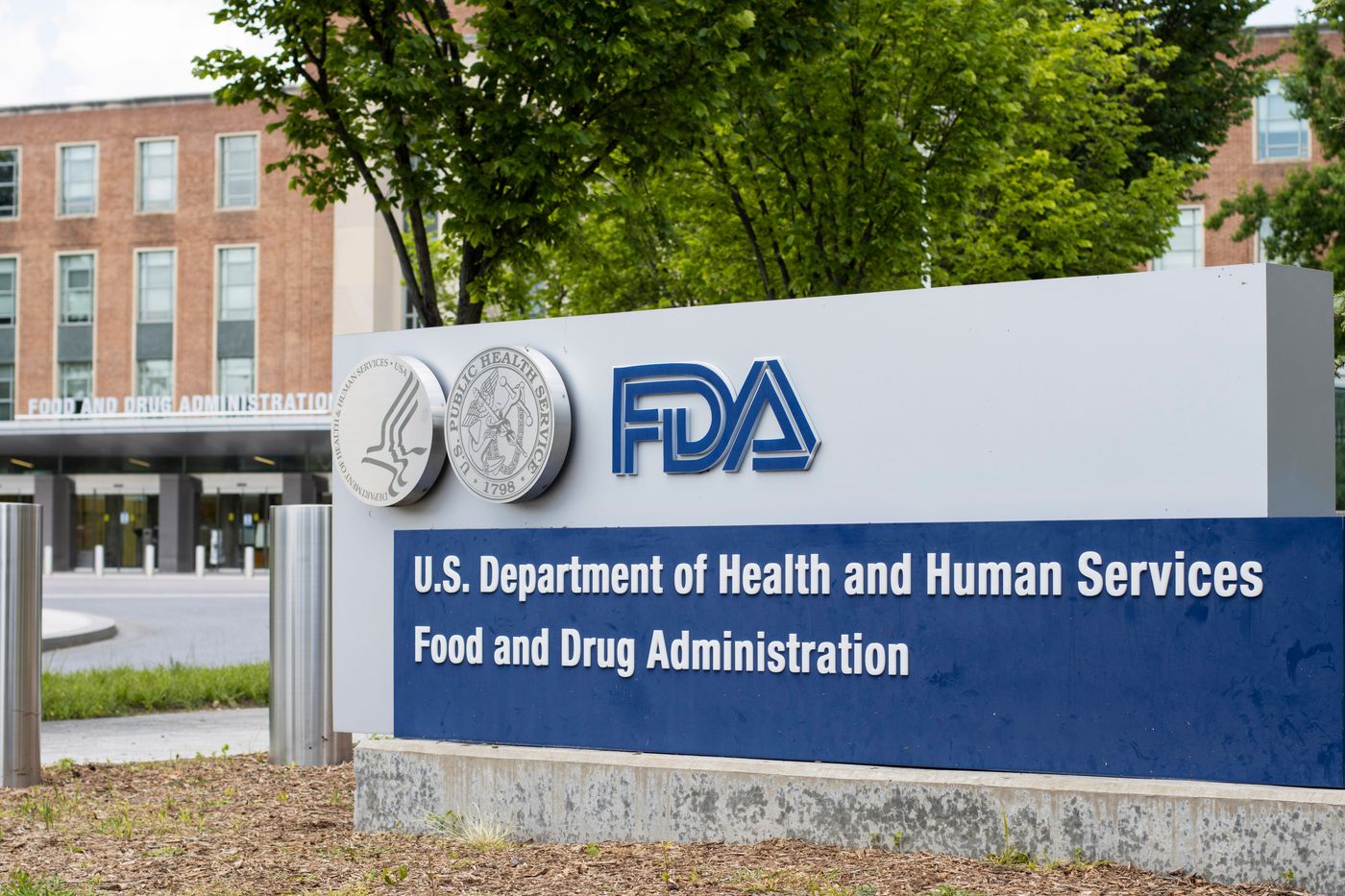
The July vote addressed a specific regulatory question: should certain peptides be moved from Category 2 (substances that compounding pharmacies cannot use) back to Category 1 (substances they can use to prepare individual patient medications)?
Moving a substance from Category 2 to Category 1 on the compounding list is a regulatory designation. It means a licensed compounding pharmacy can legally prepare it for a patient under physician oversight. It does not mean the FDA has approved the substance as a drug. It does not mean safety has been established. It does not mean clinical trials were reviewed and found adequate — because those trials, for most of these peptides, don't exist.
"None of them are proven," said Dr. Eric Topol, research methods expert and director of Scripps Research Translational Institute, speaking to USA Today. "None of them have gone through what would be considered adequate clinical trials, but nonetheless many people are taking these."
Who Is Promoting Them — and What They Say
The peptide ecosystem is driven by a specific cluster of influencers, longevity enthusiasts, and biohacking personalities. Joe Rogan has repeatedly praised BPC-157 for injury recovery. Gary Brecka, a human biologist and wellness influencer with millions of followers, has discussed peptides extensively. Wellness-adjacent physicians have built practices around offering them.
The claims vary: accelerated wound healing, reduced inflammation, improved gut integrity, muscle repair, anti-aging effects, cognitive enhancement. The testimonials are consistent and enthusiastic. The clinical data is essentially absent.
Many people have been buying peptides from "research peptides" websites — operations explicitly selling compounds labeled "not for human use" as a legal workaround. These sources are unregulated, variable in purity and concentration, and carry risks that are difficult to quantify. The FDA change, at minimum, moves access toward licensed medical oversight — which is arguably an improvement over unregulated online purchasing.
What to Know Before Considering Them

The peptide space sits in a familiar position: treatments with genuine biological plausibility, enthusiastic anecdotal support, and insufficient human data to make confident claims about safety or efficacy. That is not a condemnation — it is a description of where the science currently is.
What it means practically: if you're interested in peptides, the relevant questions are whether any human safety data exists for the specific compound you're considering, what dose and administration protocol has any research basis, and whether you're working with a physician who understands that the evidence base is thin and that "compounding pharmacy can legally make this" is not the same as "this has been shown to be safe."
The FDA's advisory panel voted. The compounds are moving toward legal availability. The clinical trials still don't exist.














