
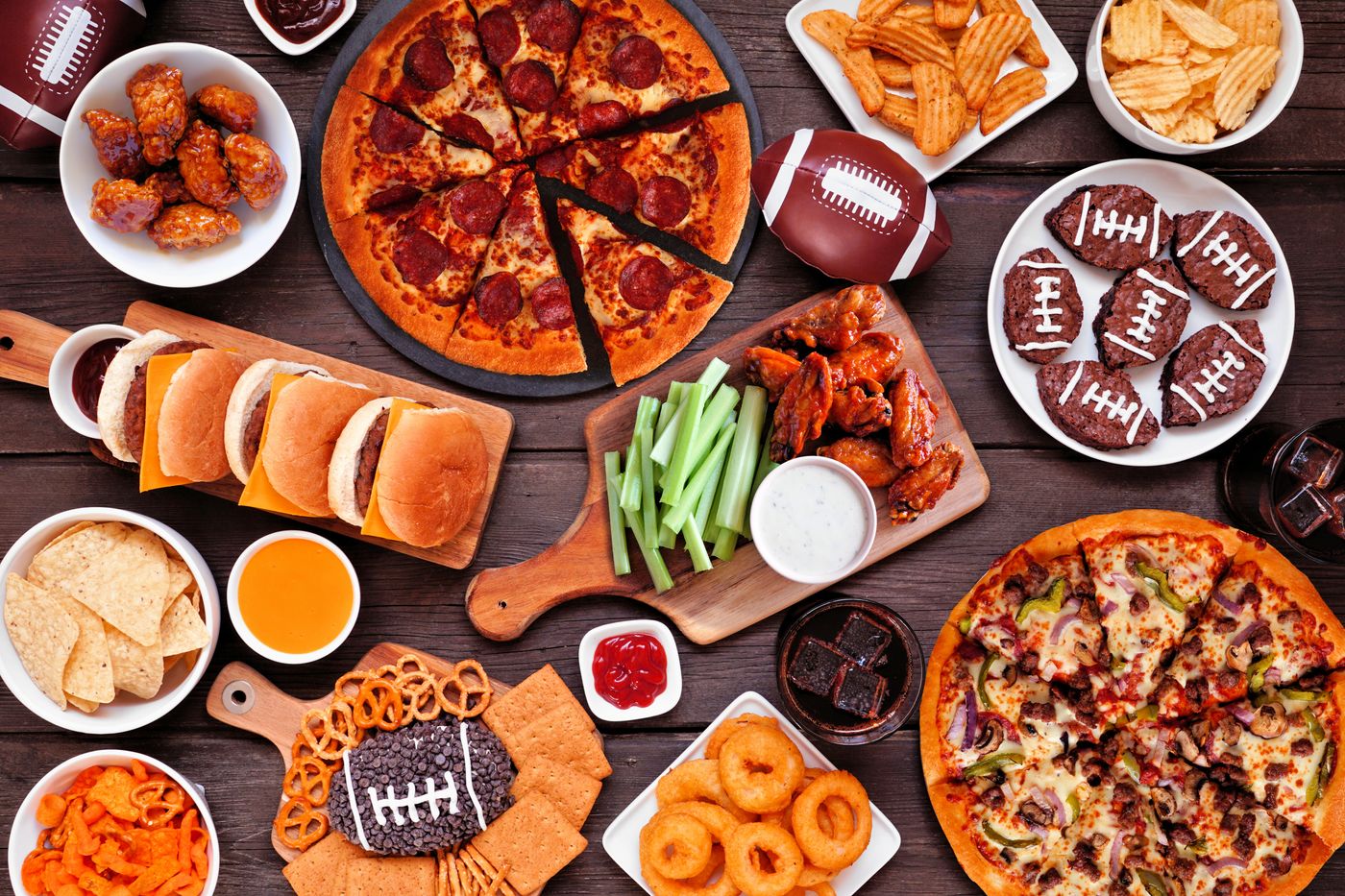
In 2009, Dr Ashley Gearhardt was part of a team at Yale University developing a new measurement tool: the Yale Food Addiction Scale. The instrument took the diagnostic criteria used to identify substance-use disorders — intense cravings, loss of control, continued use despite harm, failed attempts to quit — and translated them directly to food.
When Gearhardt and colleagues later applied that scale to a meta-analysis of 281 studies, they found that approximately 14% of adults and 12% of children across 36 countries met the clinical criteria for food addiction. The specific foods driving those numbers: ultra-processed foods.
"Today, there's much broader recognition that ultra-processed foods can be addictive," says Gearhardt, now a clinical psychologist at the University of Michigan. "Though debate continues about the mechanisms and policy implications."
The 14 Percent Figure — and What It Means
Ultra-processed foods — defined as industrially manufactured products using ingredients and methods not available in home kitchens — now make up 55% of the American diet overall, climbing to 67% among teenagers. Similar numbers hold for the UK. Linked conditions include obesity, cancer, mental disorders, cardiovascular disease, dementia, and early death.
The addiction framing is specific: it's not that junk food is simply tasty or hard to resist. It's that ultra-processed foods appear to activate the brain's reward system in ways that meet the clinical definition of addictive behavior — ways that neither unprocessed foods nor even heavily processed traditional foods like cheese tend to produce.
"It hijacks the brain in the same way that drugs and alcohol can," says Dr Nicole Avena, a neuroscientist at the Icahn School of Medicine at Mount Sinai who studies food and the brain.
The Bliss Point That Doesn't Exist in Nature

The mechanism behind this isn't a single addictive ingredient — that's a common mischaracterization. It's the specific, engineered combination of fat and carbohydrates in ratios that don't occur naturally.
"If you look at foods that exist in nature, they very rarely, if ever, deliver high levels of both carbohydrates and fats," says Gearhardt. Avocados and nuts are high in fat, low in carbs. Sweet potatoes and bananas are the opposite. Neither drives addiction. But combine high concentrations of both — as processed food engineers have done systematically since the 1980s — and you reach what the industry internally calls a "bliss point."
In controlled experiments, researchers showed participants pictures of foods from three categories: high-fat, high-carb, and combinations of both. Across multiple studies, participants consistently preferred the combo foods and placed higher bids on them. In fMRI scans, the brain areas involved in reward and decision-making lit up measurably more strongly for fat-and-carb combinations. When participants in a NIH study were given unlimited access to ultra-processed foods for two weeks, they consumed 500 extra calories per day and gained significantly more weight than when eating unprocessed foods.
Speed matters too. "The most important thing in addiction is speed," says Gearhardt. "Nicotine patches have more nicotine in them than cigarettes, but because it's released so slowly, they have lower addictive potential." Ultra-processed foods are engineered to deliver their rewarding content to the gut and brain as rapidly as possible — soft textures that require minimal chewing, rapid gastric absorption, and flavor engineering that peaks in the first few seconds.
The Dopamine Evidence
A 2025 study gave 50 healthy young adults high-fat, high-sugar ultra-processed milkshakes and measured their brain activity via PET scan. More than half showed a dopamine increase within 30 minutes. Those who showed dopamine responses rated the shakes as more pleasant and wanted more of them — and several days later, at a buffet lunch, they ate nearly twice as many cookies as non-responders.
The dopamine system, which motivates behavior in anticipation of reward, doesn't distinguish between processed food and controlled substances on a neurochemical level. "Basically, the dopamine system gets over-activated," says Avena, "which is very different to what happens when we eat real food."
The Legal Battle That Mirrors Tobacco
This science has now reached the courtroom. In 2024, Bryce Martinez — a 16-year-old from Pennsylvania who developed type 2 diabetes and non-alcoholic fatty liver disease — sued Kraft Heinz, Coca-Cola, Nestlé and eight other food companies, accusing them of deliberately engineering addictive products and marketing them to children. The case was dismissed at trial but is on appeal.
The legal pattern is recognizable. "There'll be others, especially as the science is emerging around ultra-processed foods," says Prof Emily Broad Leib of Harvard Law School. In December 2024, San Francisco became the first US city to sue food manufacturers, alleging they knowingly sell products linked to a dramatic increase in chronic illness. Similar litigation is being prepared in the UK.
The tobacco comparison is deliberate. For decades, cigarette manufacturers insisted their products weren't addictive while funding research to complicate the scientific record. The question now being raised in courtrooms is whether the same pattern applies to ultra-processed food — and whether the same legal accountability eventually follows.














