
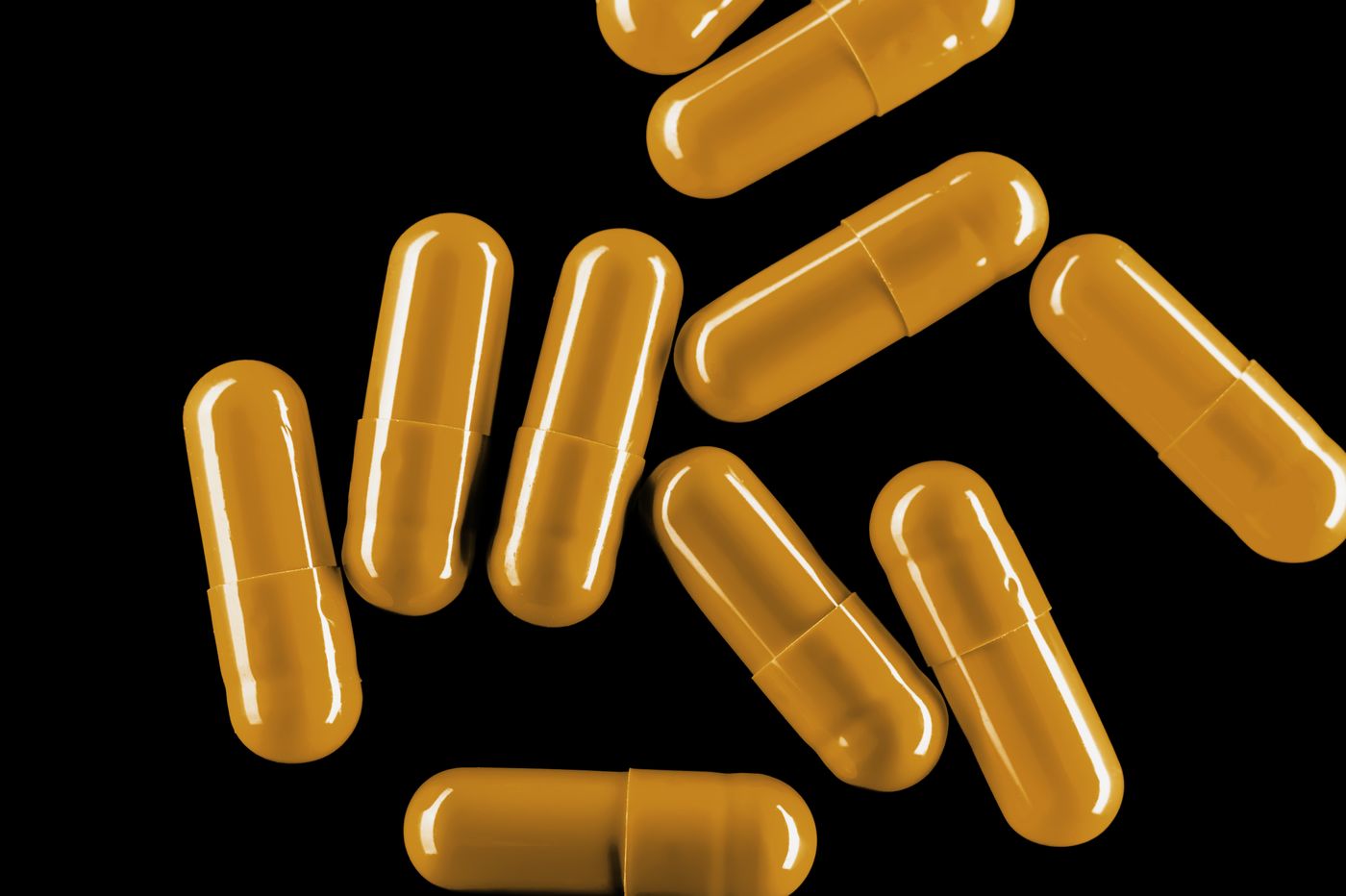
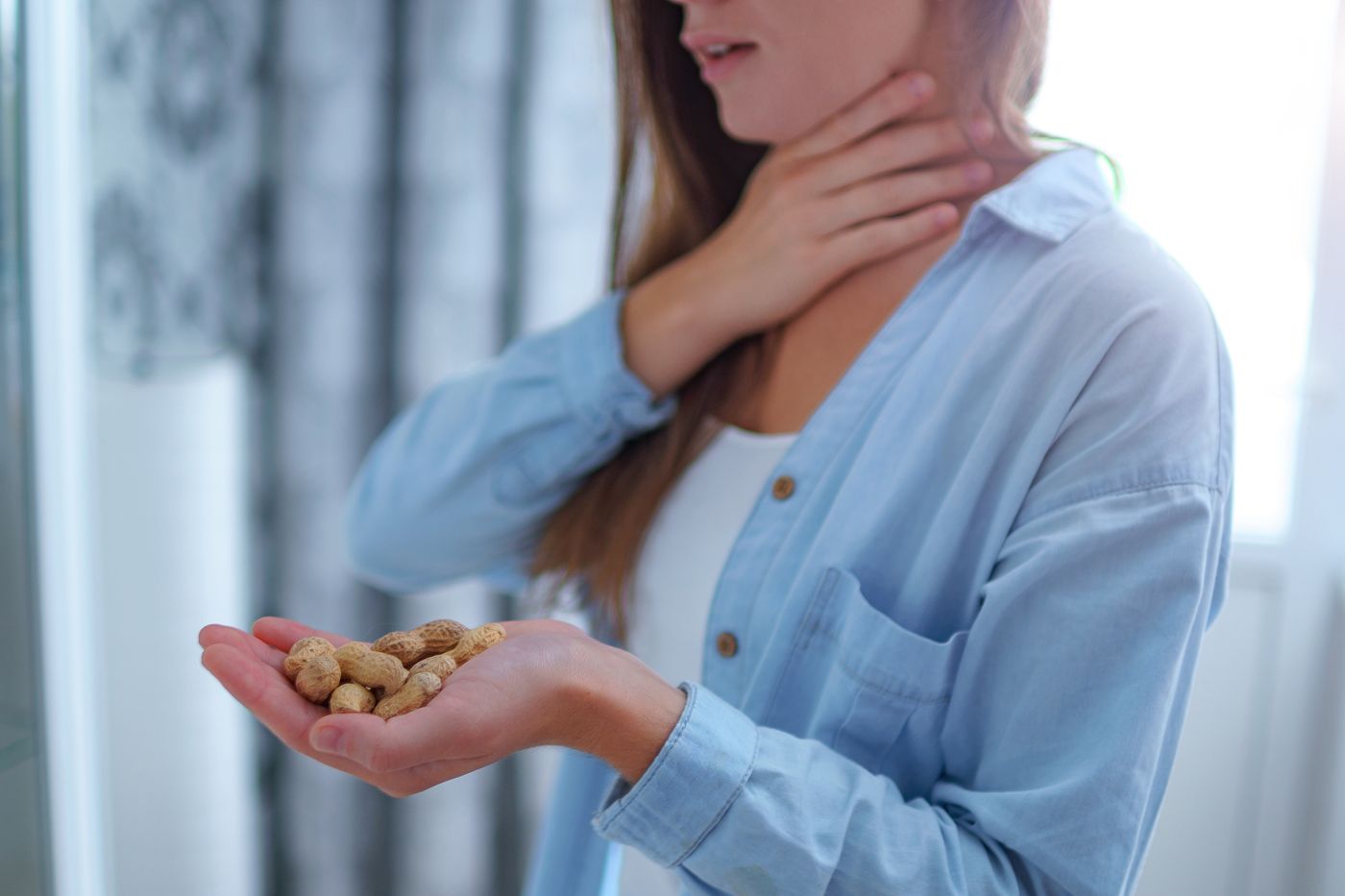
Approximately 4.6 million American adults have nut allergies. For most of them, the treatment protocol hasn't changed in decades: strict avoidance, read every label, carry an EpiPen, and hope nothing goes wrong. The standard of care for one of the most common and potentially fatal food allergies is essentially the same as it was thirty years ago.
A study published this month in Science Translational Medicine suggests that might be about to change. The mechanism is unusual enough that most people's first reaction is disbelief: researchers at Boston Children's Hospital treated nut allergies by having patients swallow capsules made from the feces of people without nut allergies.
The internet immediately called them "poop pills." The science behind them is more interesting than the name.
What the Treatment Actually Is
The capsules contain gut bacteria — specifically, strains of bacteria found in the intestines of people who don't have nut allergies. The treatment is a form of fecal microbiome transplantation (FMT), a procedure already used in clinical medicine to treat C. difficile infections, in which donor gut bacteria are introduced into a patient's digestive system.
The hypothesis behind applying this to food allergies: nut allergies reflect a failure of the gut immune system to properly tolerate food. If the right gut bacteria are involved in establishing that tolerance, then introducing those bacteria from someone who has the tolerance might help an allergic person's gut learn to accept what it currently treats as a threat.
"Food allergy reflects a failure of oral tolerance, the process by which the gut immune system learns to accept food," said Dr. Rima Rachid, director of the Food Allergy Program at Boston Children's Hospital and the study's lead researcher. "What this study shows is that the right bacteria can help restore that process."
What the Study Found
The Phase 1 trial enrolled 10 young adults with severe peanut allergies. Each participant received a one-time treatment of 36 frozen capsules taken over several hours. Four months later, three of the 10 showed meaningfully increased tolerance for nuts when tested.
In a second group, five participants were given antibiotics before the capsules — an attempt to reduce interference from their own existing gut bacteria. After the antibiotics plus the capsule treatment, three of the five showed increased tolerance.
The results are preliminary. This is a Phase 1 trial, meaning it was designed primarily to test safety and get an early signal on efficacy, not to prove the treatment works at scale. The sample size is small. The improvement in some participants doesn't mean the treatment will work for everyone, or even for most people. "Not ready for prime time" was how one independent allergist described the findings — while also calling them "very exciting."
Why the Mechanism Is the Most Important Finding
The specific efficacy numbers matter less at this stage than what the results suggest about the underlying biology. If gut bacteria from non-allergic donors can reduce allergic responses in some people with severe nut allergies, that confirms a specific mechanistic hypothesis: that the microbiome plays a causal role in food allergy, not just a correlative one.
That's a significant scientific step. It means future treatments don't have to use whole fecal transplants — researchers can work toward identifying the specific bacterial strains responsible for the effect and delivering them in a more refined form.
Rachid's team is already planning exactly that. "We would like to administer a more purified form of FMT, called MTT — microbiota transplantation therapy — that has less than 1% nonmicrobial fecal material," she told reporters. The next version would be storable in a home refrigerator.
What This Means for the 4.6 Million

Current standard of care for nut allergies includes oral immunotherapy — gradually exposing patients to increasing amounts of the allergen to build tolerance — and biologic medications. These approaches work for some patients but not all, and they require ongoing adherence. There is no single-treatment option that has been shown to produce lasting tolerance.
The poop pill approach, if it holds up in larger trials, would be categorically different: a one-time treatment that modifies the gut environment in a way that might change the immune system's relationship to the allergen permanently.
"If the larger trials hold up," said independent researcher Dr. Bakhtiar, an allergist not involved in the study, "microbiome treatment for peanut allergies could be possible in 10 years. You still need bigger studies, a clearer idea of who responds, a safer and more standardized product, and evidence that the protection lasts."
Ten years is not now. But the mechanism is now demonstrated. That's what makes this study worth paying attention to even at Phase 1 — not what it proves, but what it opens.














