
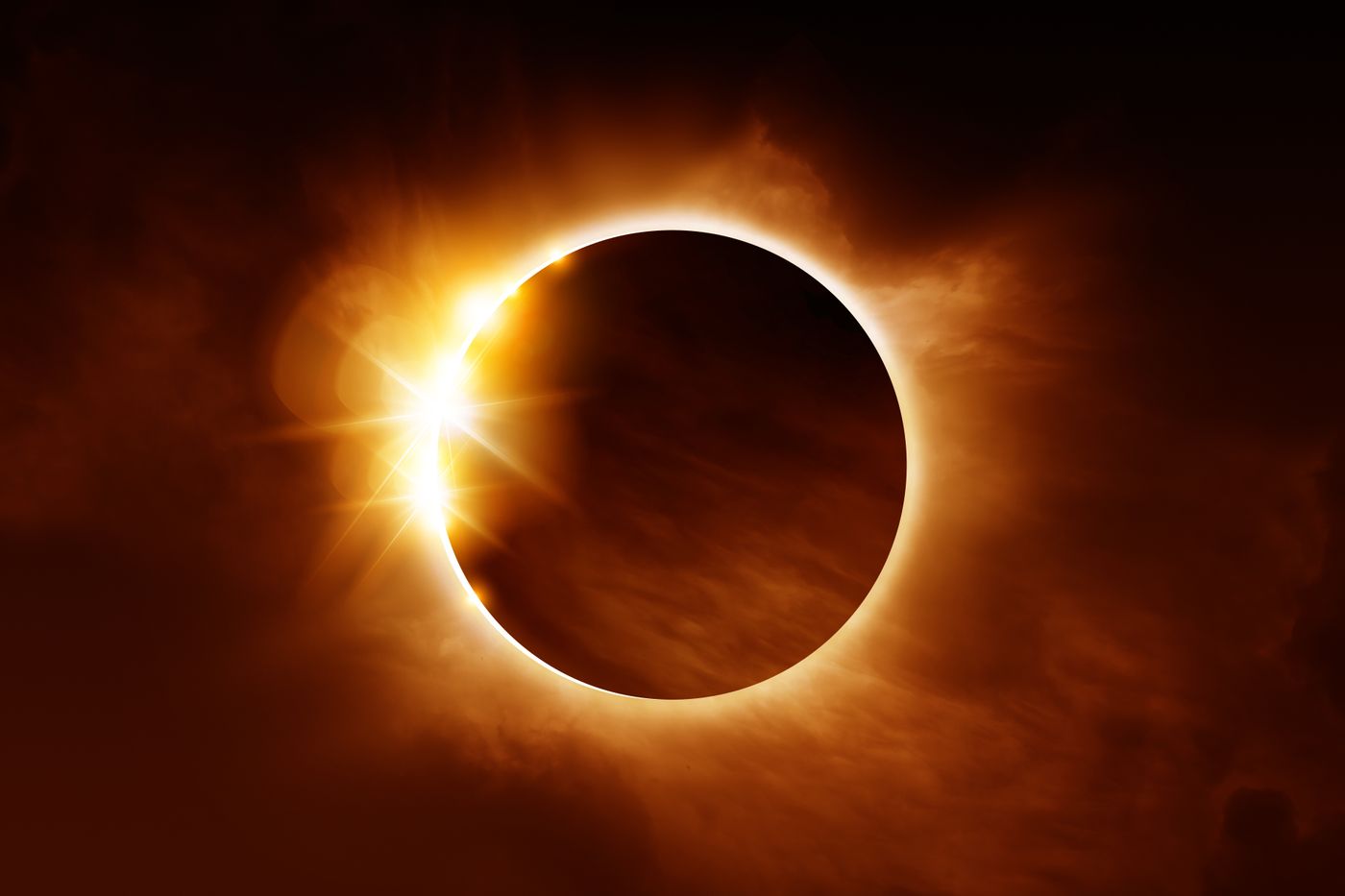
Tomorrow, August 12, a total solar eclipse will cross our planet. The path of totality — the narrow corridor where the sun disappears completely — will cross Greenland, Iceland, northern Spain, and a small portion of Portugal. Across a much wider region including parts of Canada and the northern United States, the moon will partially cover the sun.
If you are in the Northern Hemisphere, there is a reasonable chance you can see some portion of this event. Here's when, where, and how.
What's Happening and When
The eclipse will unfold in stages across different time zones. In Alaska and northern Canada, the partial eclipse will begin in the morning and end before midday. Across the northern contiguous United States and eastern Canada, it will begin around midday and linger into the afternoon. Western Europe — including the UK, Ireland, and continental Europe — will see the partial eclipse during the evening hours.
The maximum moment of totality will occur at 5:46 PM UTC, when viewers inside the path will experience up to two minutes and 18 seconds of complete darkness. For reference: 5:46 PM UTC is 1:46 PM EDT, 12:46 PM CDT, 11:46 AM MDT, and 10:46 AM PDT.
Northern Spain will experience totality dramatically close to sunset — a visually spectacular combination for anyone positioned there, though mountains, buildings, or clouds near the western horizon could obstruct the view.
If You're in North America
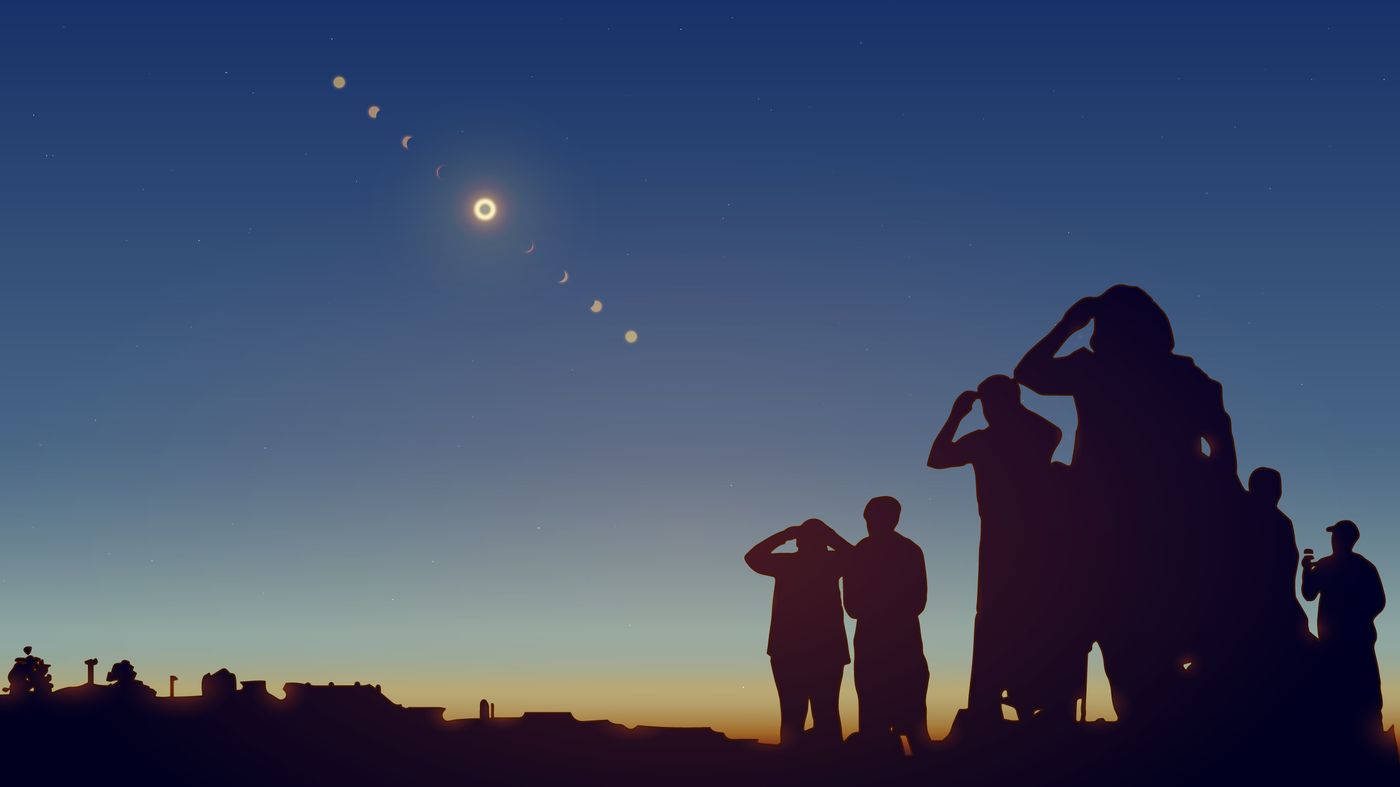
Most of the northern and eastern United States and Canada will see a partial eclipse — meaning the moon covers a portion of the sun but not all of it. Even at 70 or 80 percent coverage, the sky may dim slightly and the sun will have a distinct crescent shape visible through eclipse glasses.
A partial eclipse is not the same as totality — the sky won't darken dramatically, and the sun's corona won't be visible. But it is genuinely worth watching, particularly with children, and it is safe to watch as long as you use proper eye protection for the full duration.
How much of the sun will be covered depends on your latitude. The closer you are to the path of totality, the more dramatic the partial eclipse. Residents of northern states — Maine, Michigan, Minnesota, North Dakota, Montana — will see a more substantial coverage than those farther south.
What Makes Totality Extraordinary
Those inside the narrow path of totality will experience something categorically different from a partial eclipse. The National Geographic guide describes it plainly: "A total solar eclipse is very much all or nothing. Experiencing totality is a truly unique and awe-inspiring event; experiencing partiality is just neat."
During totality, daylight fades into twilight, the temperature drops, and the moon appears as a black disk surrounded by the glowing corona — the sun's faint outer atmosphere, normally invisible because the sun's surface is too bright. Stars appear in the daytime sky. Animals respond: birds may fall silent, then burst into a dawn chorus as light returns.
The next total solar eclipse will cross parts of southern Europe, North Africa, and the Middle East on August 2, 2027 — with totality lasting up to six minutes, nearly three times longer. But tomorrow's eclipse comes first.
How to Watch Safely
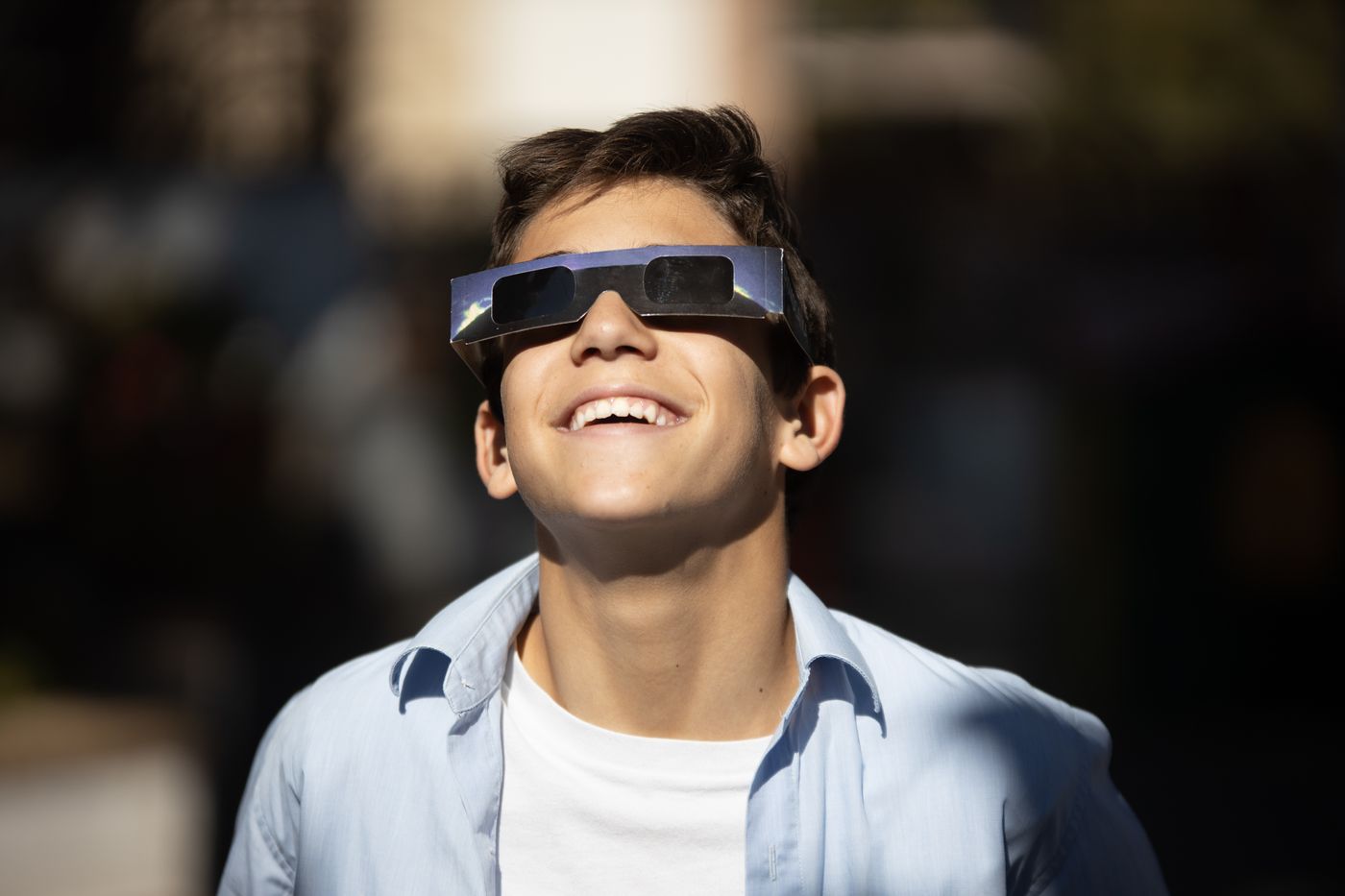
This cannot be overstated: ordinary sunglasses are not sufficient. Eclipse glasses or handheld solar viewers certified to the ISO 12312-2 standard are required for looking directly at the sun during any partial phase. Only viewers inside the path of totality — and only during the precise moments of totality — may remove eclipse glasses.
If you don't have eclipse glasses, a simple pinhole projector works well for indirect viewing. The most creative low-tech alternative: hold a kitchen colander between the sun and a flat surface. Each hole projects a small crescent image of the partially covered sun. It works, and it's a good conversation piece.
Tomorrow at maximum eclipse, put the phone down for at least a moment. "Take time to simply look up and enjoy the event," says astrophysicist Emily Watson. "The memory of seeing totality with your own eyes is something you'll carry with you forever."














