
Most people are intimate between 10:30 and 11:30pm — right before falling asleep. According to sleep expert and clinical psychologist Dr. Michael Breus, that window is "literally the opposite" of when the body is primed for it. A clip of him making this case on the Diary of a CEO podcast pulled nearly 1 million views on X in early May. His argument isn't about preference — it's about what's actually happening in your body at 11:30pm.
10:30pm Is the Most Popular Time. It's Also the Worst.
The logic of late-night intimacy makes social sense. The day is over, obligations are done, there's privacy and proximity. The biology, as Breus explains it, does not cooperate.
Successful sex — in terms of connection, arousal, and performance — requires estrogen, testosterone, progesterone, adrenaline, and cortisol to all be elevated, while melatonin stays low. By 10:30pm, your brain has already started releasing melatonin to prepare your body for sleep. By 11:30, melatonin is surging. Everything else on that list is running in the other direction.
"Your hormone profile doesn't look too good at 11:30 at night for having sex," Breus said on the podcast. "Melatonin is high, and all those other things are low."
What Your Body Looks Like at Midnight
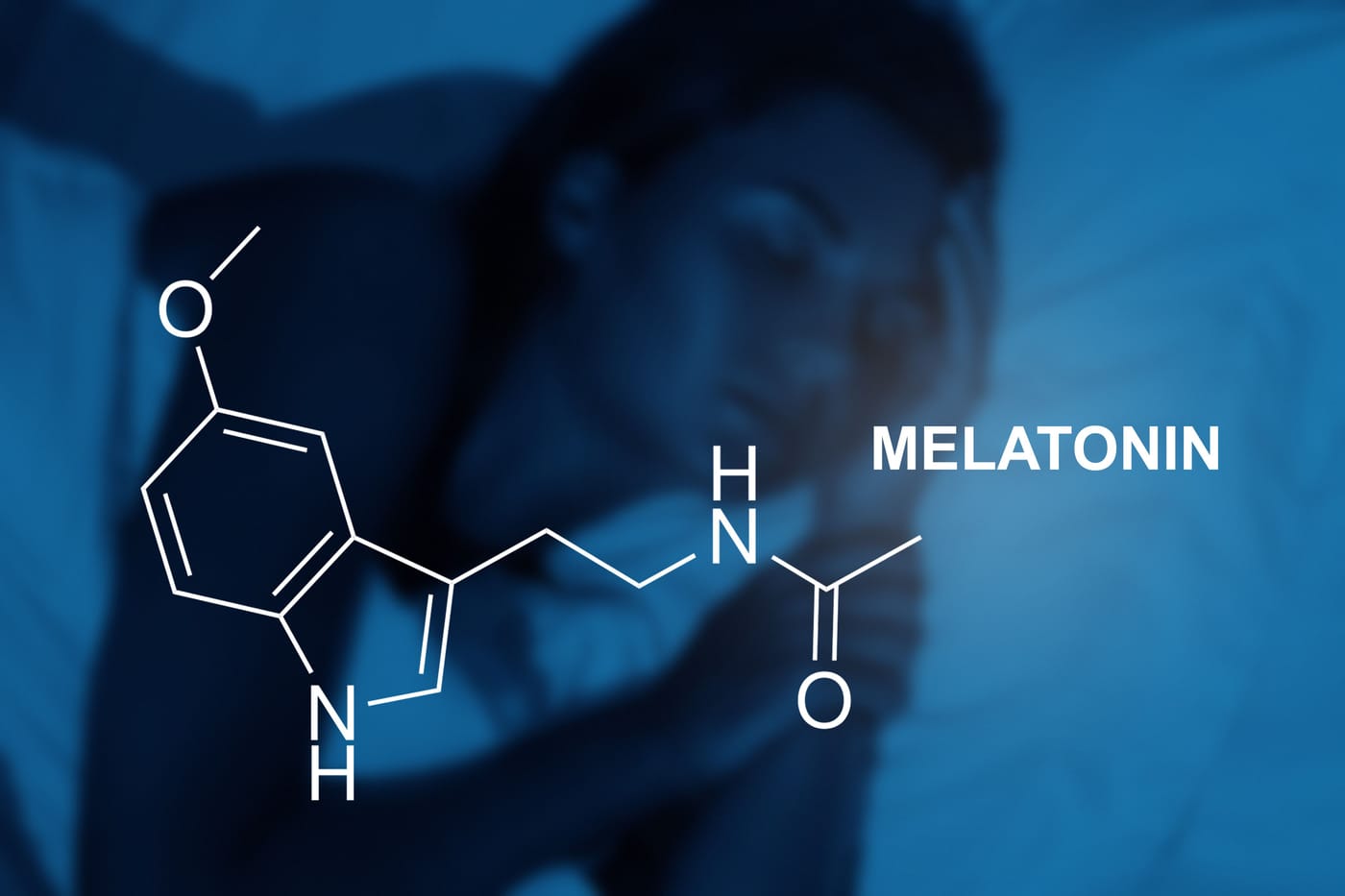
Melatonin's job is to slow you down — to drop your core temperature, reduce alertness, and push you toward unconsciousness. It does that job well. It is essentially the biological opposite of what arousal requires. The reason late-night intimacy still happens is that convenience and habit override biology most of the time. Breus's point is that the body is working against you during those hours, not with you.
The hormones that support connection and performance — testosterone in particular — follow a daily rhythm. They peak in the morning and decline across the day. By the time most people are reaching for each other at night, the tank is close to empty.
What Morning Has That Night Doesn't
Breus makes the case for morning on straightforward hormonal grounds. Testosterone is at its daily high. Melatonin has cleared. Cortisol — which supports energy and alertness — is elevated. The body is, in a literal physiological sense, more ready.
He's also pointed to a signal most people have noticed but rarely examined: the physiological response many people experience upon waking is not random. It's your hormone profile announcing itself. "If that's not Mother Nature telling you when to use that thing," he said on the podcast, "I don't know what is."
His surveys found that people reported greater connection and performance when intimacy happened in the morning rather than late at night — which tracks with what the hormone research would predict.
What If You and Your Partner Are on Different Schedules
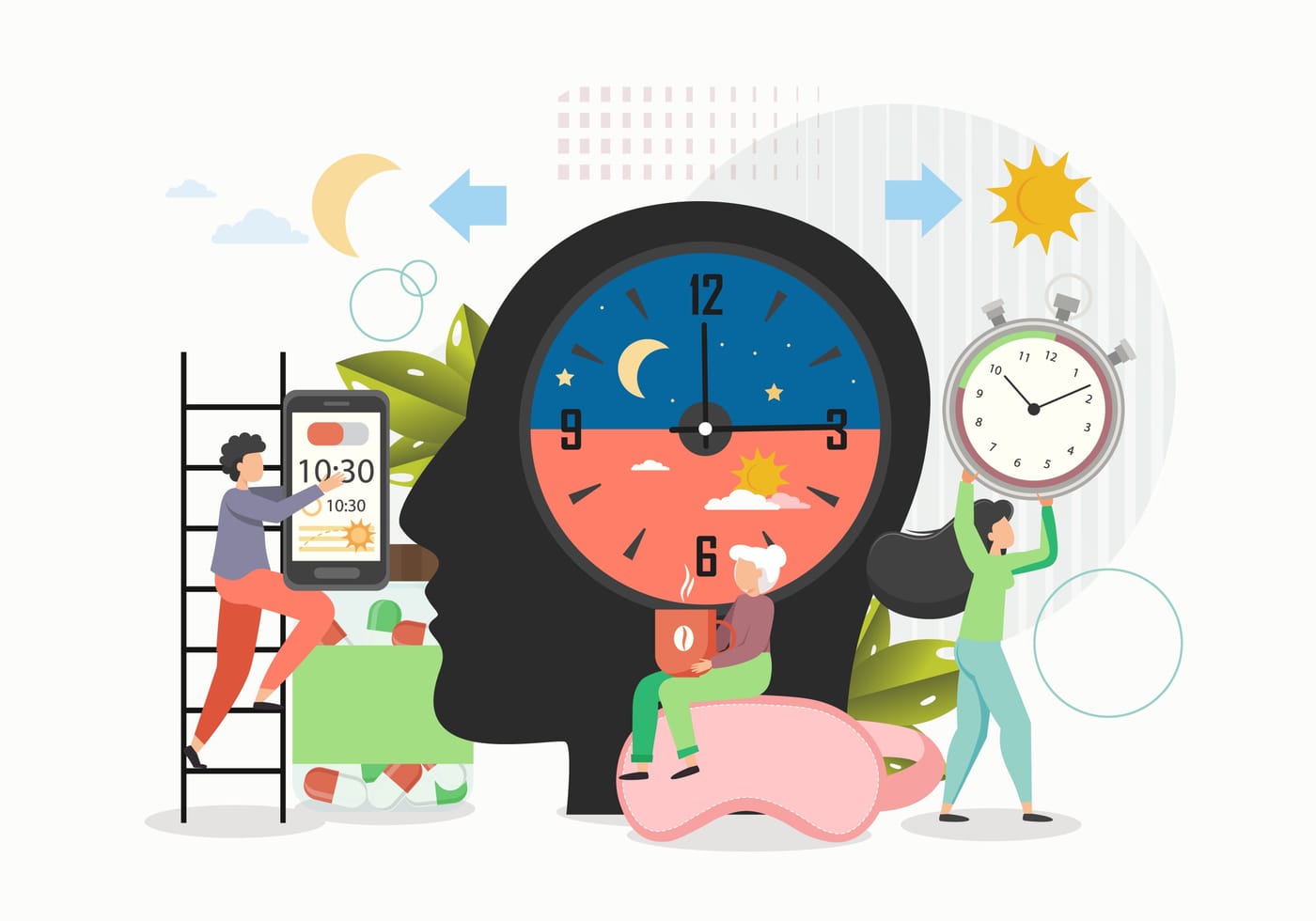
Chronotype — your body's natural timing for sleep and activity — varies by person. Early risers and night owls don't share the same hormonal windows, which creates a real mismatch for couples who are on opposite ends of the spectrum.
Breus recommends identifying both partners' chronotypes and looking for "compromise zones" — a slightly earlier evening window, or a late-morning slot that works for both. The goal isn't to force an unnatural schedule but to find where the timing overlap is closest to optimal for both people, rather than defaulting to the least convenient hour by habit.
The Timing Principle Extends Well Beyond the Bedroom
Breus has been making a broader argument for years: knowing your hormone schedule changes the optimal timing for almost everything, not just intimacy. When to exercise. When to eat. When to ask for a raise. When to send a difficult email. When to drink coffee. The body runs on a biological clock that most people ignore entirely — and the timing of a given activity determines a meaningful share of its outcome.
Sex is just the version of that argument that gets people's attention.














