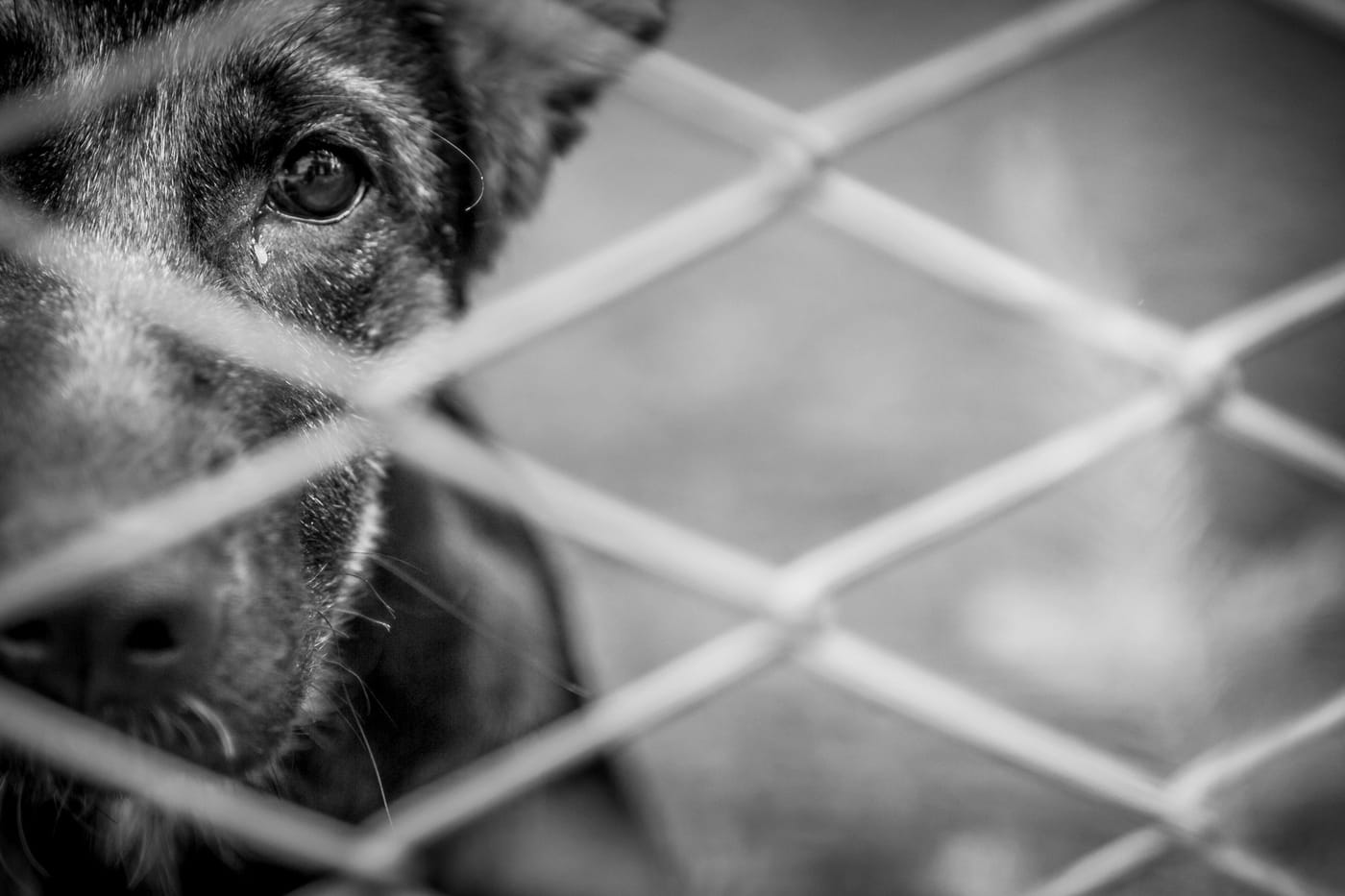
Lisa Benoit had been rescuing dogs for years. In 2019, after struggling to find the right fit on Petfinder for her family's situation — kid-friendly, cat-friendly, other-dog-friendly — she started connecting with animal rescue organizations bringing strays into Atlantic Canada from the United States. She found Marley, a boxer-lab mix out of Texas, and her family fell in love.
That connection eventually turned into something larger. Benoit began working with rescue networks to transport dogs from the American South — animals that were overcrowded in shelters, underresourced, running out of time — into the Atlantic provinces, where demand for adoptable dogs outstripped local supply. For the families on the receiving end, the arrangement worked exactly as intended.
Then a competitor filed a complaint, and everything changed.
The Complaint That Started It All
According to a major investigation by The Walrus, a December 2021 complaint to the Nova Scotia SPCA alleged that Benoit was mass importing unhealthy animals in unsanitary and high-risk conditions and selling them across Atlantic Canada without proper documentation. The complaint was filed by someone who operated in the same space — a competitor who stood to benefit from her removal.
The SPCA assessed the complaint as credible and opened a formal investigation.
Fake Adopters. Covert Surveillance. A Sting Operation.
What followed, The Walrus investigation reveals, was not a routine inspection. The SPCA deployed fake adopters — investigators posing as prospective pet owners — alongside covert surveillance and what amounted to a sting operation directed at a woman who had spent years trying to find homes for dogs that had none.
The tactics used against Benoit are not unusual for the SPCA, which has broad powers of investigation and animal seizure in most Canadian provinces. What is increasingly being questioned is whether those powers are being exercised proportionately — and whether the complaint system, which allows anyone to trigger an investigation, creates opportunities for misuse.
Benoit's case is not isolated. Social media has become a gathering point for Canadians fighting to reclaim animals they say were seized without justification or never returned after an investigation found nothing wrong. Between 2019 and 2024, the British Columbia SPCA saw a 350% increase in formal disputes launched by people hoping to reclaim their pets.
A System Built on Trust With Very Little Oversight
SPCAs across Canada operate with significant investigative and enforcement power — and with relatively limited mechanisms for people to challenge their decisions. They can seize animals, hold them, charge the original owner for the cost of care, and in some cases put animals up for adoption before cases are resolved. For rescuers like Benoit, who work outside formal organizational structures, the vulnerability is acute.
The complaint system that triggered Benoit's investigation requires no evidence to activate — a single report from a single person is enough to set the machinery in motion. The Walrus investigation raises uncomfortable questions about who uses that machinery, and why.
Why This Story Matters Beyond One Rescuer

The Atlantic provinces face a genuine dog shortage. The animals Benoit was importing were not luxury pets being sold at a premium — they were strays and surrenders that would otherwise have been euthanized. The pipeline she helped build filled a gap that the existing shelter system couldn't.
Her case forces a question that goes beyond animal rescue: when enforcement institutions have broad powers and limited accountability, and the complaint system can be weaponized by people with competing interests, who pays the price?
For Benoit, and for the thousands of Canadians fighting similar battles to get their animals back, the answer is increasingly clear. The Walrus's investigation into her case became the most-read piece the publication ran in May 2026. The outrage it generated suggests the answer resonated widely.