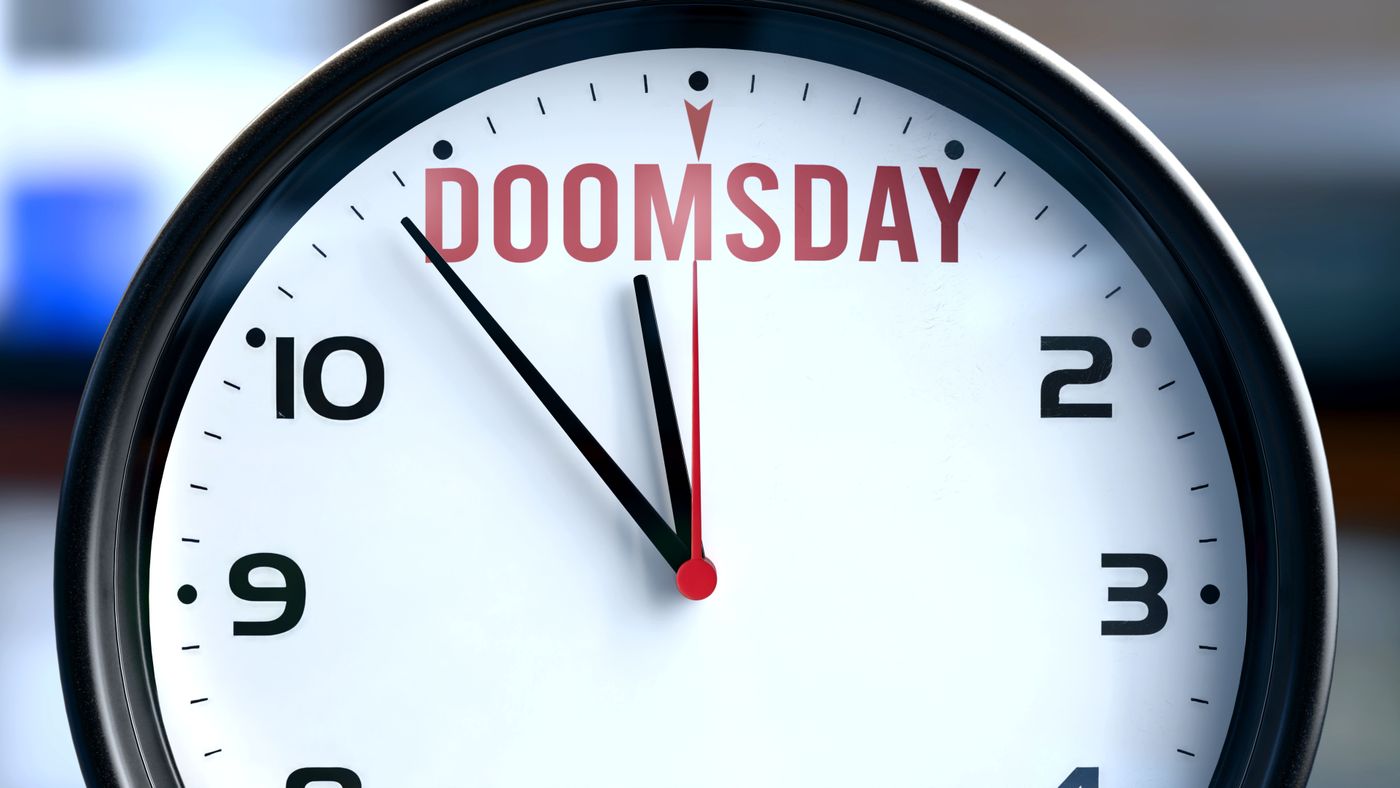
In February 2025, the scientists who maintain the Doomsday Clock — a metaphorical measure of humanity's proximity to catastrophic extinction — moved it to 89 seconds to midnight. It was the closest it had ever been. The factors they cited: climate change behind targets, AI advancing faster than safety frameworks, and a general deterioration in the geopolitical conditions that have prevented large-scale conflict.
Mark Zuckerberg is reportedly building an underground shelter in his Hawaii compound with its own food and energy supplies. Bill Gates is reported to have significant underground shelters beneath multiple homes. Switzerland has 360,000 underground shelters — enough for every one of its 9 million citizens — under a law passed in 1963. Helsinki, Finland, has built underground spaces not just for emergencies but integrated into daily civic life, including restaurants and swimming pools.
Something is happening, and it is no longer exclusively the domain of the people the internet ridicules for it.
Why Billionaires Are Building Bunkers
Paul Weldon, who runs The Panic Room Company in the UK, says his business has shifted dramatically. It used to be primarily panic rooms and security doors. "Now I'd say it's 50/50 between that and underground shelters," he told BBC Science Focus. "It's come further down the food chain. For example, we're getting enquiries from people who have already got a basement and they want to make it secure."
The shift started, he says, with the Ukraine war. A basement conversion to a secure shelter runs approximately £100,000. A bespoke underground bunker starts at £500,000. These are not trivial sums — but they are no longer exclusively billionaire territory.
The UK's Cold War-era bunkers are largely no longer fit for purpose. The government is not building new ones. Increasingly, people who want any kind of shelter are building their own.
What Real Preppers Actually Worry About
This is where the prepper stereotype diverges sharply from what contractors and survival experts actually encounter. Most people imagining a doomsday scenario picture nuclear war. Real preppers — at least the serious, functional kind — are mostly thinking about something much shorter-term and much more likely.
"Most shelters are built as a shorter-term getaway in the event of floods, serious civil unrest or even a dirty bomb," Weldon says. Actual nuclear fallout requires extraordinarily thick concrete — 2 to 3 metres of NATO-grade shielding — and extremely specific filtration. The more practical question is: what do you do when your neighborhood floods, the grid goes down for four days, or civil instability makes leaving the house inadvisable?
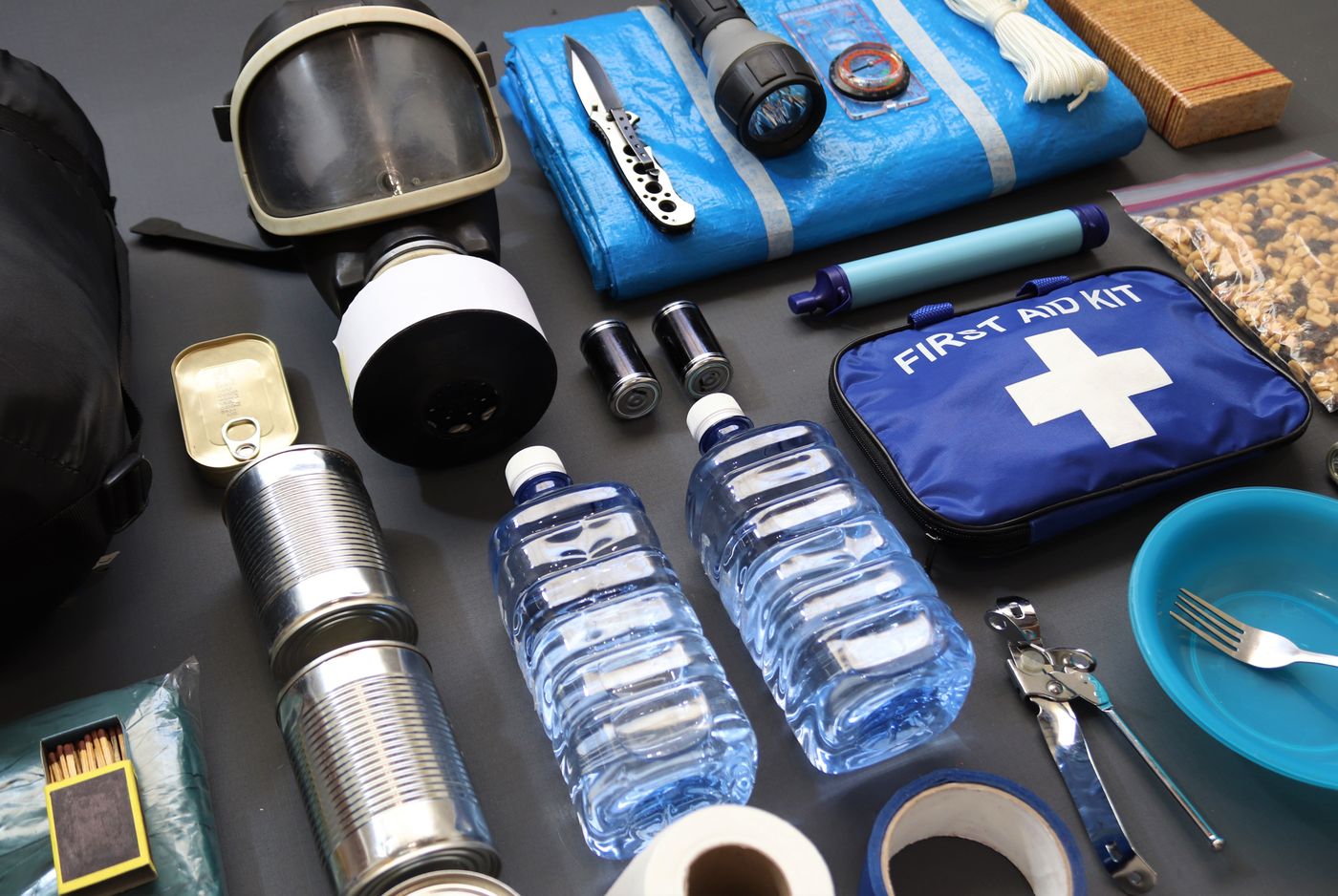
For these scenarios, the preparations look very different from the bunker aesthetic. A basic go-bag and a pantry. A water supply for 72 hours. A radio that doesn't require mains power. These are the things that survival supply expert Leigh Price, owner of The Bugout, says most people actually need — and almost nobody has.
"Preppers get a bit of a reputation that they're all waiting for the end of the world," he says. "But it's not that; it's just being proactive and making sure you and your family are safe and as comfortable as possible if something happens."
What to Actually Stockpile
Germany advises citizens to keep 10 days of food per person: roughly 3kg of grain products, bread and potatoes; 4kg of vegetables; 2.5kg of fruit; and 1.2kg of protein. The Mormon Church recommends three months. The UK government recommends nothing specific.
For water, the World Health Organization calculates a minimum of approximately 7.5 to 15 litres per person per day when accounting for drinking, hygiene, and cooking. Three gallons per person as an absolute minimum emergency supply.
The go-bag list that emergency experts across multiple countries converge on: bottled water, tinned and freeze-dried food, warm and waterproof clothing, a first aid kit with regular medications, a battery or wind-up torch, a battery or wind-up radio, solar-powered batteries, and a multitool. Leigh Price adds: "If you've got kids, playing cards and colouring books. If you have to evacuate to a local sports hall for a night, those things matter."
What Switzerland and Finland Already Know
The most instructive models for civilian emergency preparedness are Switzerland and Finland — countries that treat resilience as civic infrastructure rather than individual paranoia.
Switzerland stores three months of major food commodities nationally and recently passed regulations to extend that to twelve months. Every Swiss citizen has a legal right to underground shelter. Finland's Helsinki has built extensive underground civic spaces — designed for emergency use but integrated into ordinary daily life in the form of public amenities — so that the infrastructure exists and is maintained without requiring a crisis to justify it.
"Prepping — thinking ahead and being proactive — is the opposite of panic buying," two University of Bradford supply chain researchers wrote in 2023. The distinction is worth holding onto. What the most credible doomsday prep advocates are recommending isn't bunker-building or survivalism. It's the same thing Finland and Switzerland have already built into national policy: sensible preparation for realistic scenarios, before those scenarios arrive.