In 2009, about 4,000 pedestrians died in traffic crashes in the United States. By 2023, that number had risen to more than 7,500 — a 75% increase in roughly 15 years. A landmark New York Times investigation published this week identified what's driving the trend. The answer is sitting in most American driveways.
Pickup trucks and SUVs now make up approximately 75% of new vehicle sales in the United States. These vehicles are taller, heavier, and more powerful than the cars they replaced. They're marketed on safety — and in many respects, the people inside them are safer. The problem is what happens to the people outside them.
75% More Pedestrian Deaths — What Changed
The core mechanism isn't driver distraction or speed. It's geometry. As vehicles have grown taller, their hoods have risen, creating a forward blind zone directly in front of the vehicle that didn't exist with lower-riding sedans.
The Insurance Institute for Highway Safety analyzed the relationship between hood height and pedestrian fatality risk in 2023. Their finding: SUVs and vans with hoods taller than 40 inches are approximately 45% more likely to kill a pedestrian during a crash than vehicles with hoods under 30 inches. The height doesn't just change the geometry of a crash — it changes whether the driver can see a pedestrian at all before impact.
The Times investigation estimates that between 200 and 400 pedestrians who die each year would not have been killed if vehicle sizes had stayed roughly constant over the past 25 years. From 2016 to 2024 alone, approximately 3,000 pedestrian deaths are attributable specifically to the rise in hood height.
The Hood Is the Problem
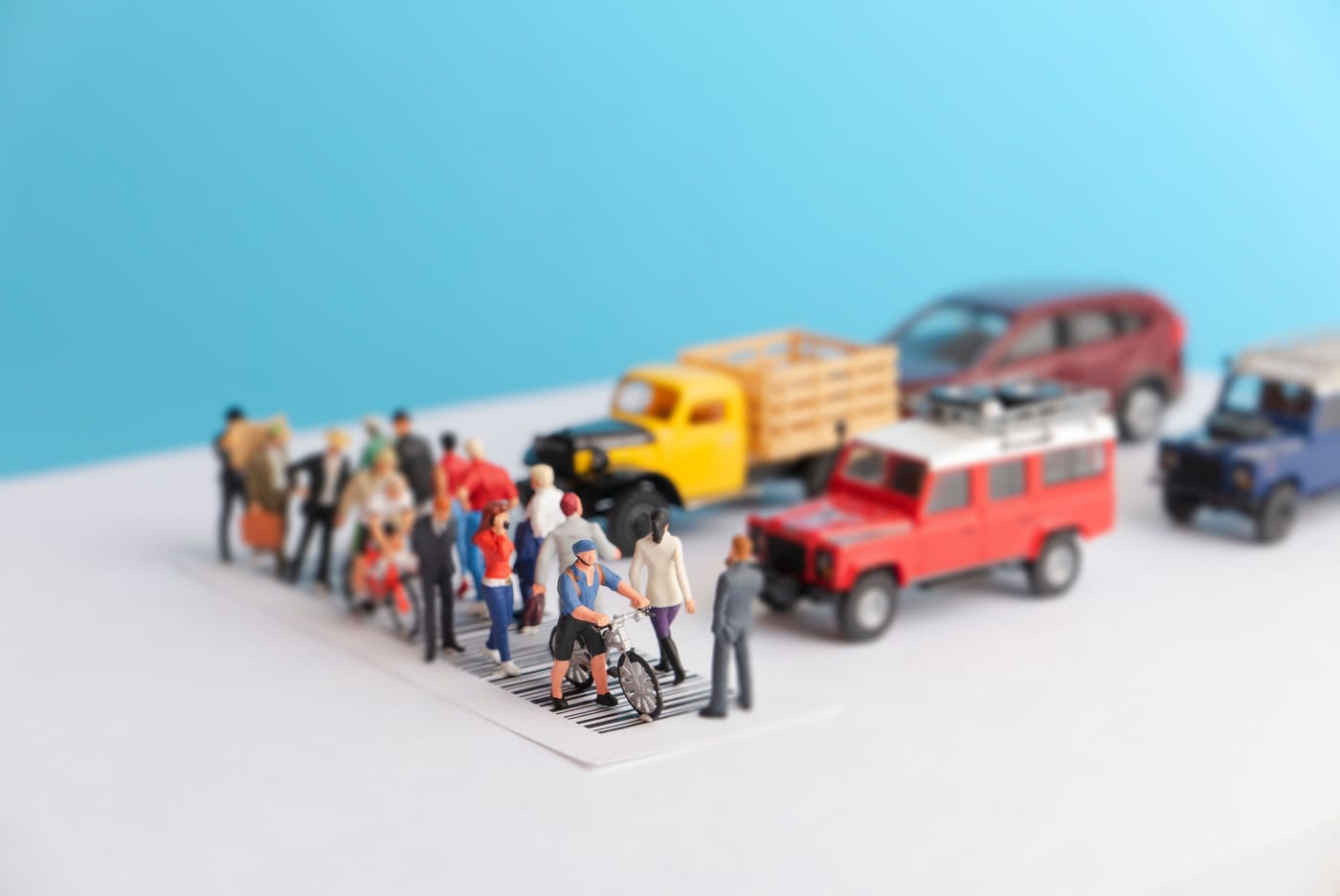
The mechanics are specific and worth understanding. Taller hoods block the driver's forward sightline at close range. When a driver is stopped at an intersection and prepares to turn, there is a zone directly in front of the vehicle — sometimes extending 10 to 15 feet — that is completely invisible to them. In a smaller sedan, that zone is shorter and lower. In a modern pickup truck, it can extend far enough to obscure an adult standing in a crosswalk.
Wider A-pillars — the structural columns on either side of the windshield — create additional blind spots at angles, making it harder to see cyclists and pedestrians approaching from the side. Both problems compound during left turns, when the driver is looking across their own vehicle at an angle and multiple blind zones overlap simultaneously.
Shawn Harrington, a specialist in accident reconstruction, described what happens when these vehicles collide with people even at lower speeds: "A lot of devastating collisions even at lower speeds because the pedestrian gets punted forward" — a trajectory change that differs fundamentally from what happens when a lower, sloping hood makes contact.
The Simulation That Shows What Drivers Can't See
The most striking element of the NYT investigation is a simulation conducted with a real truck and cameras capturing both the driver's view and an overhead perspective simultaneously. A driver turning left completes the maneuver without seeing a test dummy in the crosswalk until the very last moment — a fraction of a second before impact.
The simulation then repeats with a child-sized figure. At that height, the driver never sees the child at all.
This isn't a failure of attention. The driver is looking. The vehicle's geometry makes the person invisible. No amount of caution compensates for what the vehicle's design physically prevents the driver from seeing.
What Changes Now
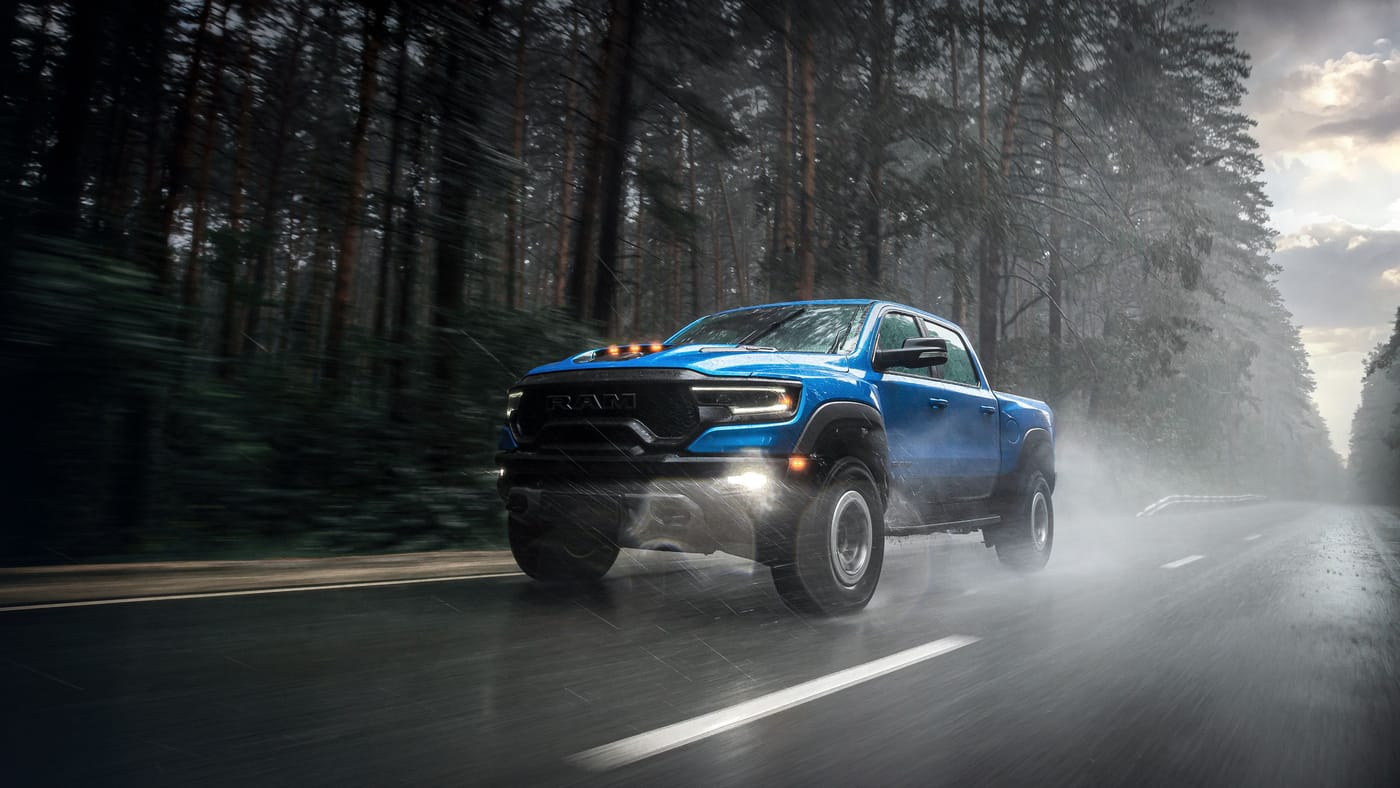
The Times investigation prompted immediate responses from safety researchers and regulators. The National Highway Traffic Safety Administration has been under pressure to establish new standards for pedestrian safety in vehicle design — requirements that would function similarly to how crash ratings protect vehicle occupants but that extend protection to people outside the vehicle.
IIHS president David Harkey issued a formal statement: "It's clear that the increasing size of the vehicles in the U.S. fleet is costing pedestrians their lives. We encourage automakers to consider these findings and take a hard look at the height and shape of their SUVs and pickups."
No major automaker has announced design changes in response. The market for large vehicles continues to grow.