Labor Day weekend 2026 is shaping up to be the busiest in recent memory. AAA projects that 46 million Americans will travel 50 miles or more from home between Thursday and Monday — a 9% increase over last year — making it one of the largest Labor Day travel periods on record. The Transportation Security Administration expects to screen more than 17 million passengers at airport checkpoints over the five-day window.
The pattern holds: Americans travel for Labor Day regardless of cost. And this year, the costs are meaningfully higher.
The Gas Price Nobody Planned For
For the first time in history, the national average gas price on Labor Day weekend may exceed $4 per gallon — the current national average is $4.14, up 4 cents from last week, according to AAA's newsroom, eclipsing the previous holiday record of $3.82 set in 2012. GasBuddy projects the average will reach $4.03 over the weekend. Last year's Labor Day average was $3.19.
The result lands directly on the road-tripper. Automobiles still account for more than 85% of all Labor Day holiday trips, and that hasn't changed despite the price spike. "Americans see travel as a right, not a privilege," said Skyler McKinley, regional director of public affairs for AAA. "Folks will travel for Labor Day regardless of gas prices."
AAA expects to respond to approximately 400,000 calls for emergency roadside assistance over the Labor Day travel period — dead batteries, flat tires, and keys locked in cars being the top three reasons. If you haven't checked your vehicle before leaving, the recommendation is consistent: do it now.
What It Costs to Fly, Sleep, and Get There

The price increases extend beyond fuel. AAA booking data shows domestic airfares to the most popular destinations are up nearly 20% from last year, averaging $790 for a round-trip ticket to top domestic destinations. Hotels are 9% more expensive domestically. International accommodations are up 12%.
There are two relative bargains. International airfares are actually down 4% year-over-year — making Europe and other destinations more competitive than domestic travel for price-conscious travelers. Cruises departing from US ports are also 4% cheaper than last year.
The top domestic destinations for Labor Day 2026: Seattle (driven by late-season Alaska cruise departures), Orlando, Boston, Denver, and New York. Internationally: Rome, Vancouver, London, Dublin, and Paris.
Cruise demand is notably strong. AAA members are booking Alaska cruises, river cruises, and national park tours at higher rates than previous years, with a secondary trend of travelers already booking 2027 cruises and tours before they sell out.
When Not to Drive
Transportation analytics firm INRIX, which tracks highway congestion using GPS and navigation data, has identified the worst windows for Labor Day weekend 2026.
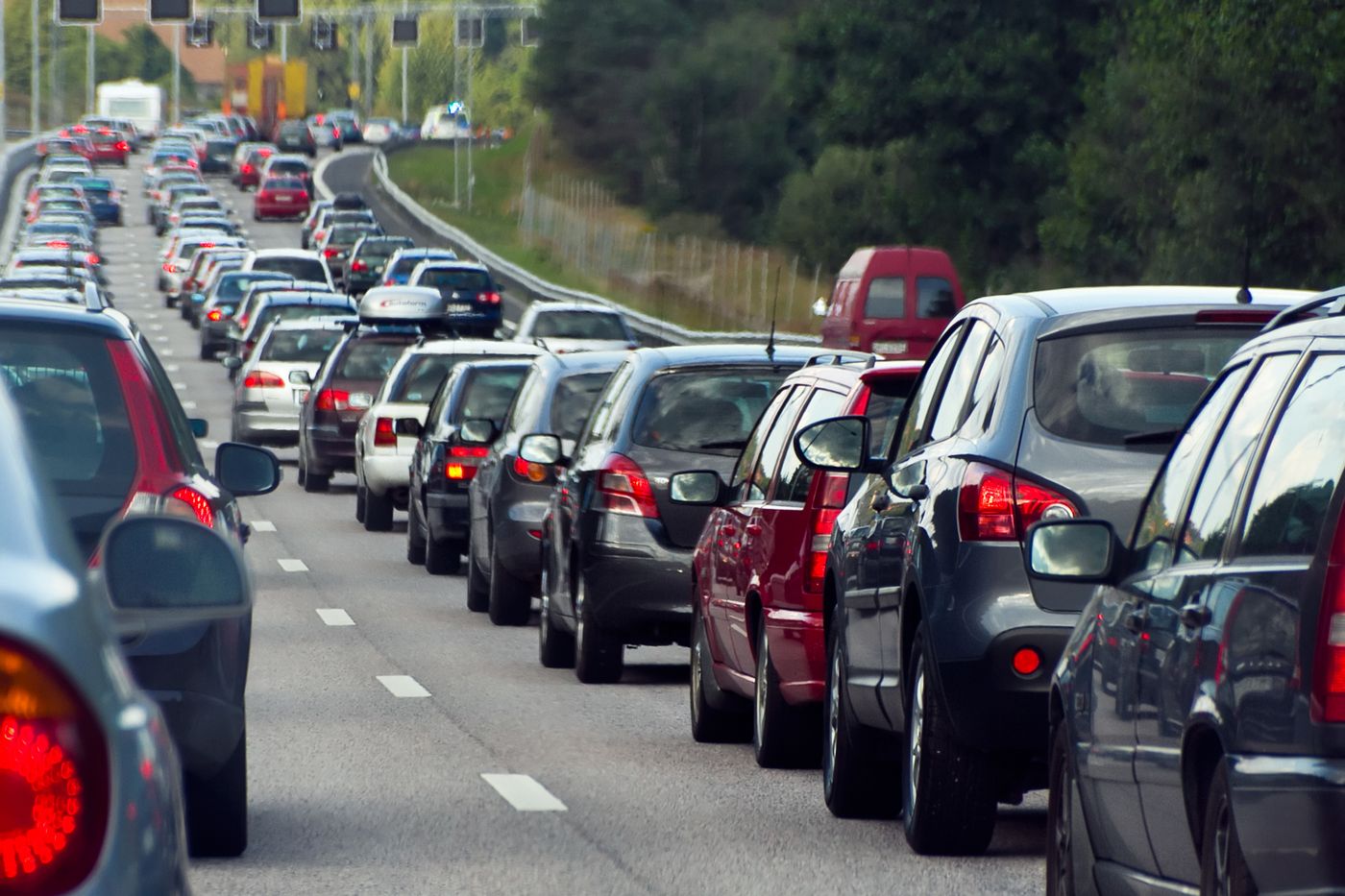
The heaviest congestion is expected Thursday afternoon from 2 to 7 PM and Friday from noon to 8 PM, as holiday travelers mix with normal commuter volume. Saturday peaks between 1 and 5 PM. Return traffic on Monday is worst from 2 to 5 PM.
Specific corridors seeing the largest delays:
Washington State Route 2 toward the Cascades is projected to see travel times increase by 121% at peak — turning a routine drive into a multi-hour ordeal. Southern California's I-10 toward Palm Springs peaks Thursday evening around 7:30 PM. New York to the Hamptons — normally under two hours — is expected to stretch to three and a half hours on Friday afternoon.
The consistent guidance from INRIX: leaving even one to two hours earlier than planned makes a meaningful difference. Morning departures across all five days carry significantly lighter traffic than afternoon or evening windows.
What the Numbers Say About How We Travel Now
The 9% increase in Labor Day bookings over last year — despite higher costs across nearly every category — reflects something consistent in post-pandemic American travel behavior: people are prioritizing experiences over savings in ways that predate the current price environment and appear durable.
Domestic hotel bookings are up despite being 9% more expensive. Air travel is up despite ticket prices climbing nearly 20% to top destinations. The 46 million people expected to travel this weekend represent a choice, made under conditions that weren't cheap.
The demographic driving the cruise and national park surge — travelers seeking structured, memorable experiences rather than open-ended road trips — skews toward the 45-65 age range. The trend toward booking further in advance, locking in 2027 travel now, reflects both high demand and a learned wariness about availability.
The last long holiday weekend of summer tends to produce a specific kind of travel energy: the awareness that this is the close of something, and the desire to not let it pass unspent.