A man wearing all black, his face masked, his hands gloved, climbs a roadside pole and cuts the cable on a camera. "I will not stop until I take down Flock for good," he writes afterward on social media, where more than 500,000 people follow his instructions on how to disable the device.
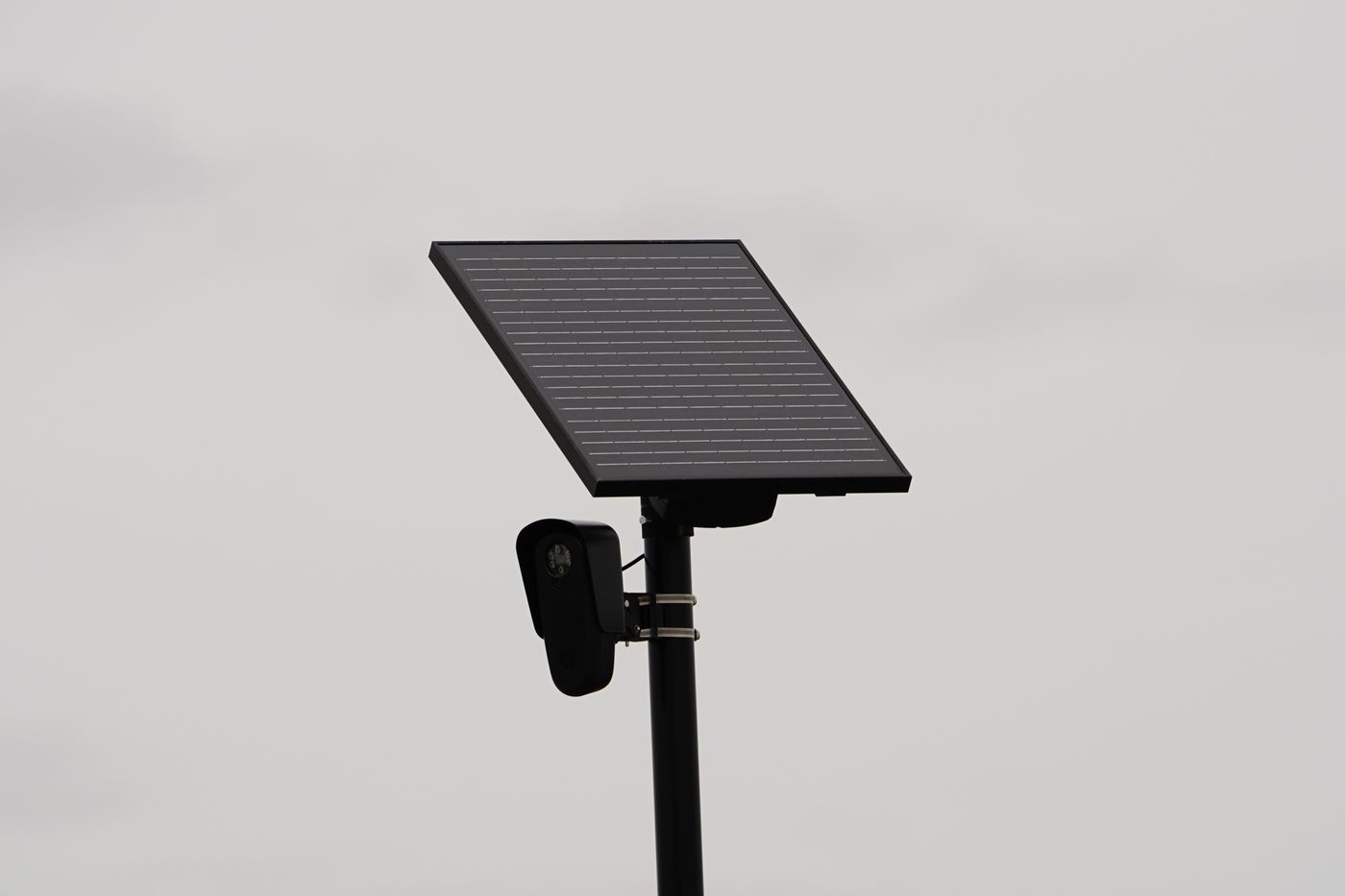
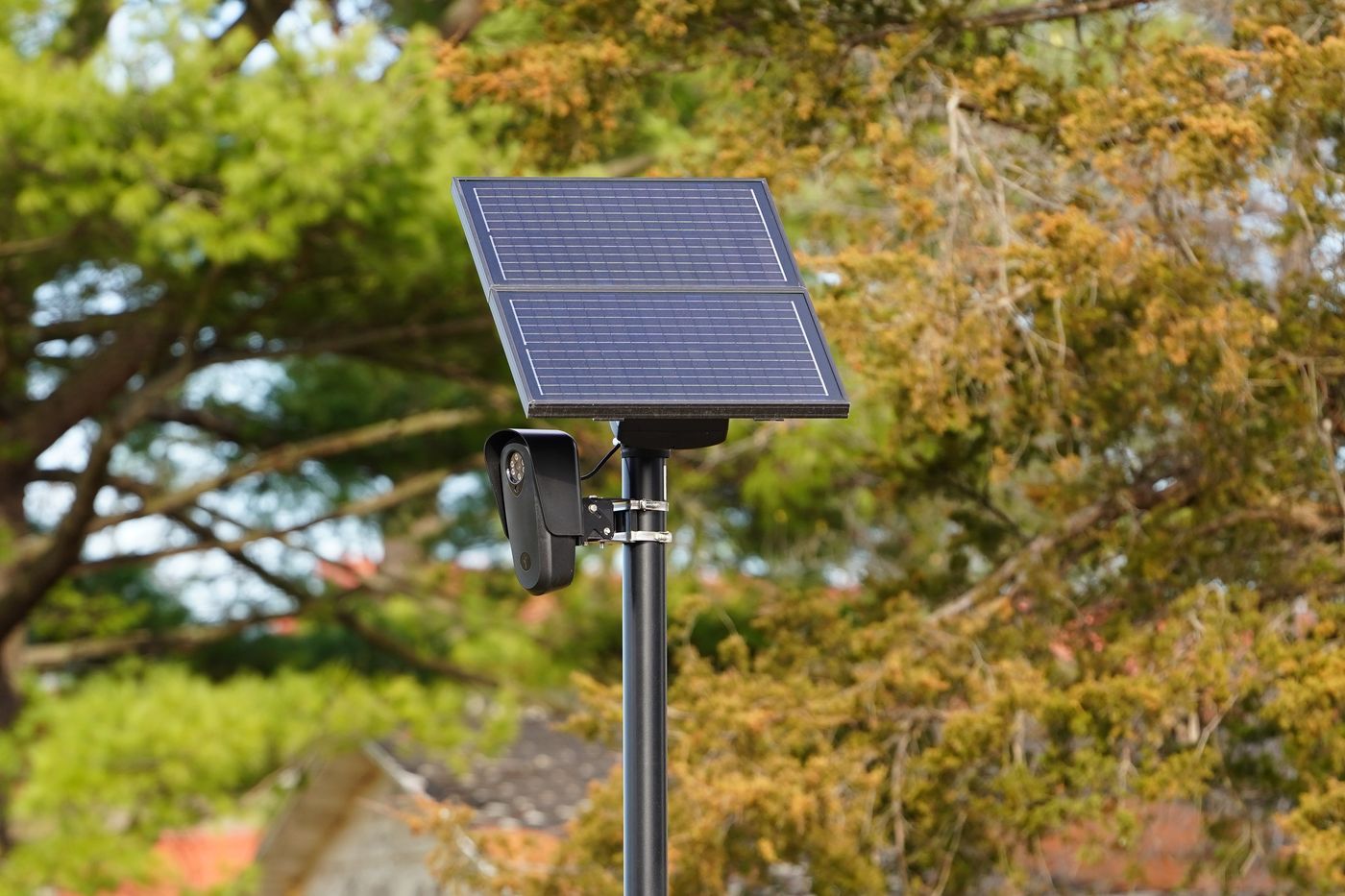
This is not an isolated incident. Across the country — in Oregon, Virginia, California, Connecticut, Illinois — people have been vandalizing, dismantling, and spray-painting the cameras made by Flock Safety, an Atlanta-based startup that has installed more than 100,000 automated license plate readers on public roads and is now valued at $8.4 billion. Police departments in Los Angeles, Fort Collins, Knoxville, and Salem have suspended or canceled their contracts. The ACLU filed a federal amicus brief arguing the technology gives the government unconstitutional surveillance powers.
The company is adding more customers than it's losing. That's part of what makes this story so complicated.
How Flock Got Here
Garrett Langley, Flock's CEO, started the company in 2017 after calling the Atlanta police about break-ins in his neighborhood and being told the solution was license plate readers. When he learned they cost $20,000 each, he built one himself out of an Android phone in a waterproof box.
That first device worked well enough to solve a crime. Langley took the company through Y Combinator, started selling to homeowners associations, and discovered the law enforcement market was even better. Today, Flock has about 1,600 employees, 12,000 customers including 7,000 police departments, and a platform that integrates license plate data with dispatch notes, public records, jail records, and AI-powered vehicle search. The company says its products supported 1 million investigations and located roughly 10,000 missing people in 2025 alone.
The cameras read license plates — but they also identify vehicle make, model, color, and distinguishing characteristics. Flock's AI allows officers to search for vehicles using plain language, flag vehicles spotted across state lines, and identify plates used on multiple cars. After acquiring a drone startup in 2024, Flock now sells first-responder drones in over 200 cities.
What "No Warrants Required" Actually Means
The core objection from privacy advocates is not primarily about whether Flock's cameras help solve crimes. Most people concede that they do. The objection is about scope: the cameras capture everyone's movements, not just suspects.
In one month this year, law enforcement searched Flock data from the city of Fridley, Minnesota, more than 390,000 times. No warrant required. In most states, the data can be shared across state lines — building what critics describe as a de facto nationwide vehicle tracking network. Officers have been accused of using the system to stalk ex-partners. Audits have found data improperly shared with federal agencies without local authorization. The cameras have misread plates, leading to innocent people being stopped at gunpoint.
Michael Soyfer, a lawyer at the libertarian Institute for Justice who has filed lawsuits against cities using Flock cameras, describes the core problem: "When you surveil people for long periods of time, whether it's 21 days or 30 or an entire year, you can make all sorts of intrusive inferences about their lives, about their habits, figure out what their routines are, spot when they're departing from those routines."
In June, the Supreme Court ruled that police accessing Google's continuous location data constitutes a search. Whether that reasoning extends to license plate reader networks is now being litigated.
The Question Nobody Has Answered
On August 13 — the same day the Inc. story published — Flock announced it would cut its default data retention period from 30 days to seven. It also announced new audit tools requiring officers to state a reason before running a search. The company says over 90 percent of searches occur within a week.
Langley acknowledges that laws governing the technology are inconsistent — New Hampshire limits retention to three minutes; New Jersey allows three years — and says he supports legislation. "I think regulation is really good," he says. "I think for products that impact hundreds of millions of Americans' lives, regulation is effective." He notes Flock helped nine states pass laws this year governing license plate reader data.
But Andrew Ferguson, a law professor at George Washington University and author of Your Data Will Be Used Against You, frames the question differently. "Are we okay with this democratic self-surveillance?" he asks, noting that it's elected city officials who sign contracts with Flock. "We're buying into the idea that surveillance equals safety, and it feels like there's a movement saying 'maybe not.'"
The Bipartisan Backlash
What has surprised observers is that the opposition to Flock spans the full political spectrum. Libertarians oppose mass surveillance as a government overreach. Civil libertarians on the left oppose it as a threat to privacy and civil rights. Communities of color have pushed back against disproportionate surveillance. Conservatives in some states have opposed it as federal government intrusion through local police data sharing.
The ACLU's summary: "This is out of control. It has to be reined in." That sentence could be spoken, without modification, by people from virtually every corner of American politics.
Flock is still growing. Its cameras are in every state except Alaska. But the legal landscape, the political backlash, and the Supreme Court's recent location-data ruling are all shifting simultaneously. Whether the company can navigate those shifts while maintaining its current trajectory is the question the next few years will answer.