Dr. Seuss's beloved children's character is lurking outside schools on TikTok. Wearing the striped hat. At night. In AI-generated videos that look disturbingly real.
And some of those videos are naming specific schools, specific communities, and specific students.
Law enforcement across the country is now investigating. A Colorado teenager was arrested. Arkansas schools issued formal warnings. Louisville's Homeland Security Unit opened an active investigation. And parents are getting letters sent home asking them to talk to their kids about something that, a few years ago, would have sounded like the premise of a joke.
The "Cat in the Hat" trend is real. It is spreading. And the reason it's possible at all is something you need to understand.
What's Actually Happening on TikTok
The videos show a sinister, distorted version of the Cat in the Hat — tall hat, empty eyes — appearing to be captured on security cameras outside homes, schools, and neighborhoods at night. The footage looks like genuine surveillance video. The character appears to be real.
It isn't. Almost all of it is AI-generated, produced using tools that anyone with a phone can access for free. The same technology that lets people generate photorealistic images of celebrities can produce convincing-looking CCTV footage of a fictional character standing outside your child's school.
What makes the trend dangerous isn't the character. It's that some posts cross from creepy into specific. Videos and messages have named real schools, real towns, and real students — with language suggesting the Cat in the Hat is "coming for" particular people or places. That's not a prank. That's a threat, even if it's delivered in a tall striped hat.
The Arrest That Put It on the Map
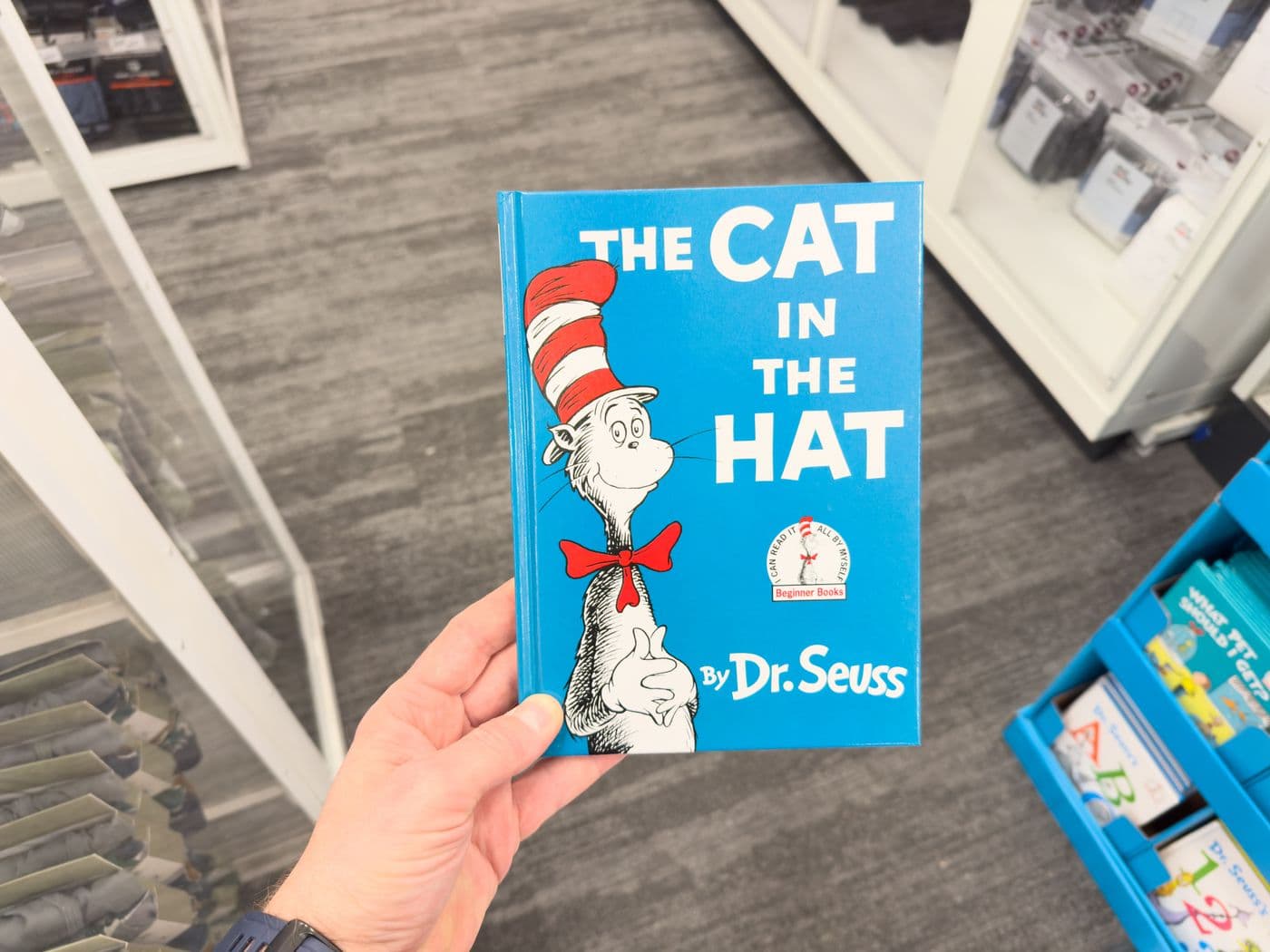
In Grand Junction, Colorado, a 14-year-old student posted content suggesting that someone dressed as the Cat in the Hat would appear at a local middle school. Police investigated. They arrested the teen.
Authorities determined there was no credible physical threat — no one was actually going to show up at the school in a costume. But the post was specific enough, and targeted enough, that law enforcement treated it as a genuine threat. Which it was. The mechanism of a threat doesn't have to be real for the threat itself to count.
In Arkansas, schools in Carlisle and Pocahontas responded to AI-generated videos involving their specific students — content that officials said could be interpreted as containing violent threats. The Louisville Metro Police Department said it had not identified any credible threats but its Homeland Security Unit was "actively reviewing information" and working with school administrators.
Why AI Makes This a Different Problem
This trend is not new in the sense that threatening hoaxes targeting schools are new. What's new is the production quality and the barrier to entry.
Making a convincing fake threat used to require technical skill, effort, and time. Making one now requires a phone and a free app. The AI tools that generate realistic video footage, realistic voice audio, and realistic images have become trivially accessible in the past two years. Someone who wanted to create a threatening-looking video of a sinister figure lurking outside a specific school — overlaid on what appears to be real security camera footage — can do it in minutes.
That's the story underneath the Cat in the Hat. Not that a beloved children's character has been weaponized for shock value, though it has. But that the technology to make anything look real, and to make that anything threaten anyone, is now in the pocket of every teenager in the country.
The Cat in the Hat was chosen because it's recognizable and unsettling out of context. Tomorrow it will be something else. The capability that made this trend possible isn't going away.
What Experts Say to Do

Law enforcement's consistent guidance: report concerning posts to school officials or law enforcement, do not share them, and do not assume they're harmless because they look absurd.
The most important digital-safety lesson this trend is generating: don't automatically believe what you see online. A disturbing video can be entirely fake. A threatening message involving a real school or a real student still deserves to be taken seriously and reported — regardless of what character is delivering it.
The Cat in the Hat is not coming to your school. But whoever made that video knows exactly which school to put in the background.