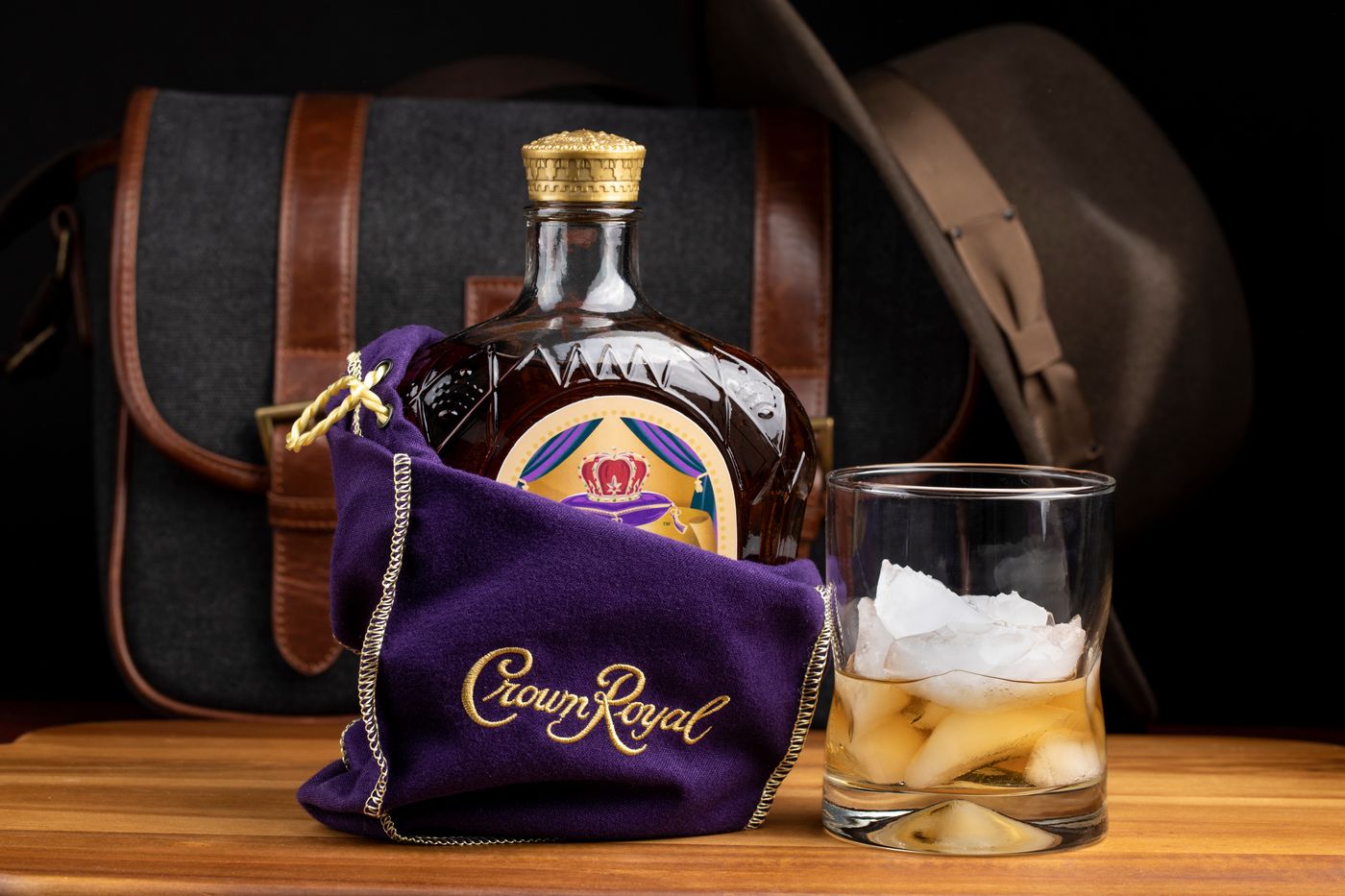
Yesterday, Trump's ban on Canadian alcoholic beverages officially kicked in. $800 million worth of Canadian booze — Crown Royal, Black Velvet, Rich and Rare, Canadian Club — is now prohibited from entering the United States.
The liquor store manager near Niagara Falls, five miles from the Canadian border, summed it up perfectly: "We have a lot of Canadian customers and a lot of Canadian liquor." Another store employee in Port Huron, Michigan put it even simpler: "People have freedom to drink, right?"
Welcome to the booze front of the US-Canada trade war.
What Got Banned and Why
Trump's ban is the latest escalation in a tit-for-tat trade dispute that's been building for months. Canada fired first — or, more accurately, fired back. Ontario and several other Canadian provinces banned US alcohol earlier this year in response to Trump's threatened tariffs on all Canadian goods.
Trump's response: ban their booze entirely.
The ban covers $800 million worth of Canadian alcoholic beverages the US imported last year — a figure that includes Canadian whisky, beer, and wine. Canadian dairy products like whey and Canadian motorcycles are also part of the same ban. The US is essentially saying: if you won't sell our stuff, we won't buy yours.
The catch — and CNN's headline called it a "big catch" — is that this negotiating tactic may hurt Canada more than it hurts the US. The Canadian alcohol industry is especially reliant on American consumers, not the other way around. Canada needs the US market for its booze exports far more than American drinkers need Canadian whisky.
What This Means If You Drink Crown Royal
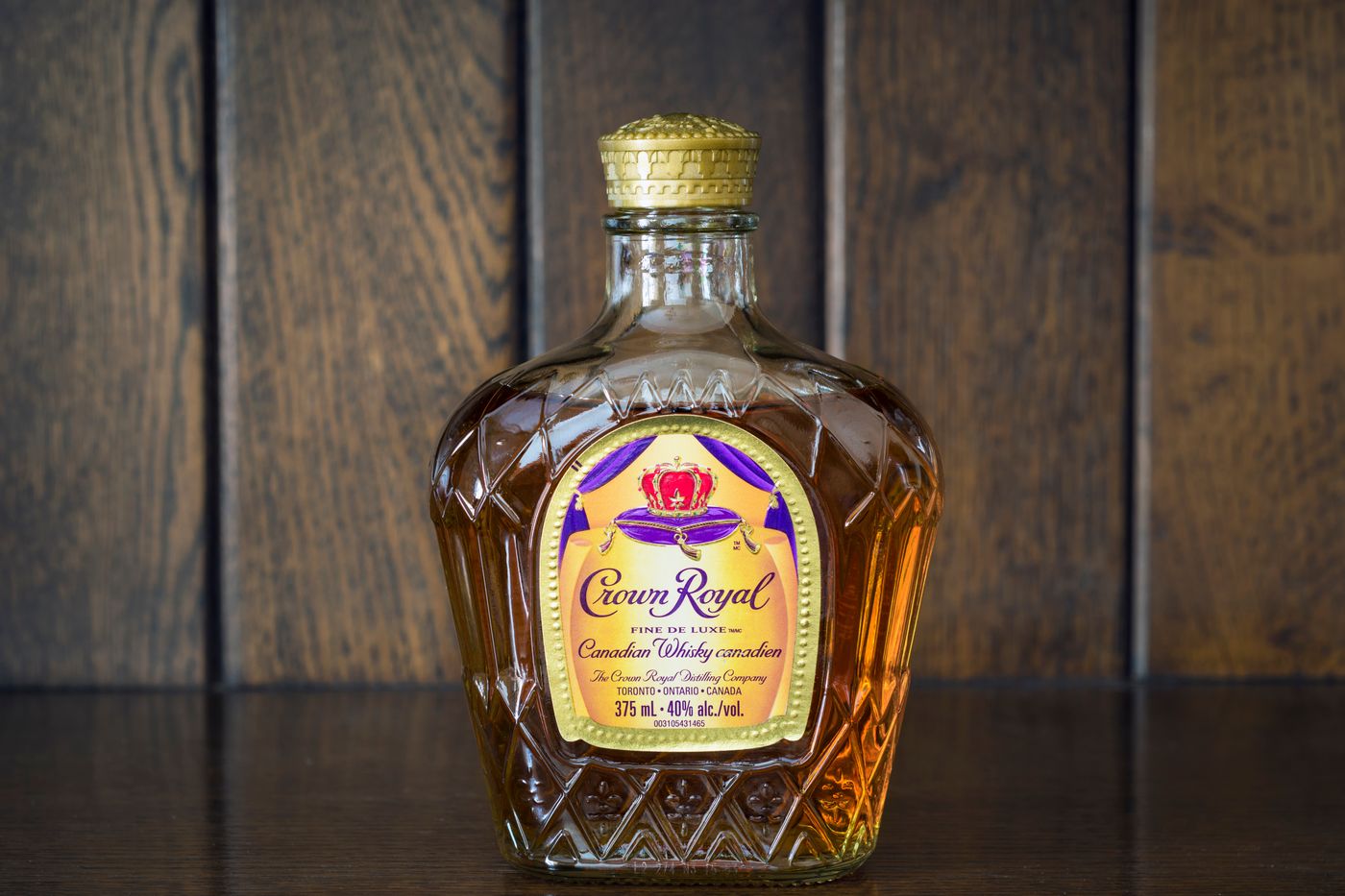
Short answer: your current bottle is fine. The ban affects new imports — it doesn't empty shelves overnight.
But if you're a regular Crown Royal buyer, Black Velvet fan, or Canadian Club devotee, you're looking at a shrinking supply pipeline. Inventory already in the US will last for some time. What comes after depends on how quickly — or slowly — this trade dispute gets resolved.
Trump said yesterday he expects Canada to come to the table within three to four weeks. "Over the next three or four weeks, they're going to come to us and they're going to say, 'We're going to get rid of all the tariffs,'" he told reporters. Whether that timeline holds — and whether Canada blinks — will determine whether your Canadian whisky shelf gets thin.
The Bigger Picture Nobody's Talking About
This isn't just about booze. It's about the most integrated trading relationship in the world coming apart at the seams.
The US and Canada share a $900 billion annual trading relationship. They share a border. They share a military alliance. They've been each other's largest trading partner for most of modern history. And now they're banning each other's alcohol like college students cutting off a frenemy's WiFi password.
The American distillery and brewery industry had already been hurt by Canada's ban on US booze — a ban, it's worth repeating, that Canada only imposed in response to US tariff threats. "We don't want tariffs applied to our products and we don't want tariffs applied to our imports," one US industry representative told CNN. "We like to compete by sip and taste, not tariffs."
That's not currently an option.
What Comes Next
The most likely outcome, according to trade analysts, is that Canada does eventually come to the negotiating table — the economic pressure on Canadian alcohol producers is real. But "eventually" and Trump's "three to four weeks" are not the same thing, and trade disputes have a way of outlasting everyone's predictions.
In the meantime: if you have a specific Canadian spirit you love, you might want to stock up. And if you've been meaning to explore American whiskey, Scottish Scotch, or Irish whiskey as alternatives, this might be your moment.
The trade war between the US and Canada is now, officially, affecting what's on your shelf. It started with tariffs. Now it's personal.