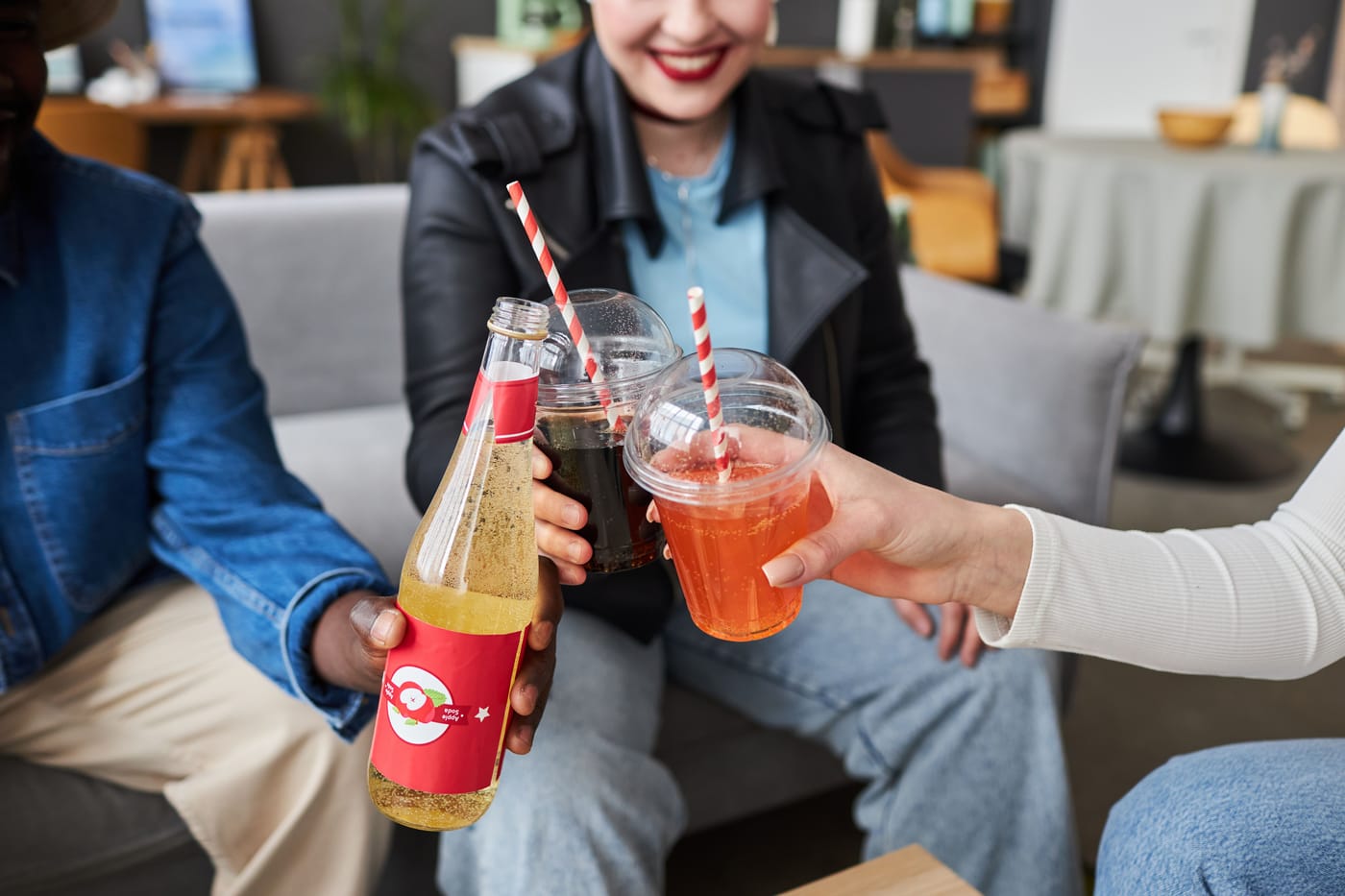
Fewer Americans are drinking alcohol than at any point in nearly 90 years. The group driving the shift is Generation Z, and the numbers document something that feels less like a trend and more like a fundamental restructuring of how a generation socializes, spends, and thinks about health.
Gen Z drinks, on average, 20% less than millennials, who already drink less than older generations. Gen Z spends approximately $3.1 billion annually on alcohol in the United States. Baby Boomers spend $25 billion. Gen X and Millennials each spend around $23 billion. The gap is not marginal — it's generational.
The Numbers Are Stark
Only 30% of Gen Z report drinking weekly, compared to 58% of Baby Boomers. A February 2026 survey by LendingTree of 2,000 Americans found that 45% of Americans are reducing or eliminating alcohol, with Gen Z leading the change. Among Gen Z specifically, 65% plan to drink less, with 39% committing to a fully alcohol-free lifestyle — compared to just 30% of Boomers.
The economic signal follows the behavioral one. Bar spending has not recovered to pre-pandemic levels despite bars reopening and social life resuming. The customer who anchored nightlife economics for previous generations is simply not showing up the same way.
Why Gen Z Is Drinking Less
The reasons are layered and don't reduce to a single explanation. Health is the most commonly cited factor — 36% of Gen Zers who reduce their alcohol consumption say mental health was the primary reason. They are the generation that came of age most aware of alcohol's documented links to anxiety, disrupted sleep, and cognitive function.
Cost is a close second. "You go to a bar and pay $11 for a drink you could make at home," one 26-year-old told Fortune. "A lot of people are shocked at what they spend on alcohol." For a generation facing significant financial pressures around housing and student debt, redirecting $80 to $200 a month from bar tabs to other priorities is both practical and increasingly normative.
Marijuana legalization across roughly half the country has also changed the social calculus. For many Gen Zers, cannabis offers a version of social relaxation without the next-day consequences — and in states where it's legal, it has become a routine alternative to alcohol at gatherings.
The Daycap and the Restructuring of Nightlife
Gen Z isn't abandoning social drinking entirely — it's shifting when and how it happens. A 2026 Bacardi survey found that 34% of legal-age Gen Z consumers prefer drinking early in the evening over late-night occasions, gravitating toward what the industry is calling the "daycap" — a drink or two in the early evening, then home early.
Bars that have adapted to this reality are thriving. Venues running non-alcoholic menu options have reported strong upticks. Eventbrite tracked a 92% increase in sober-curious events between 2023 and 2024, including morning dance parties and DJ'd events centered on coffee rather than alcohol.
The $565 Million Industry Gen Z Built Instead
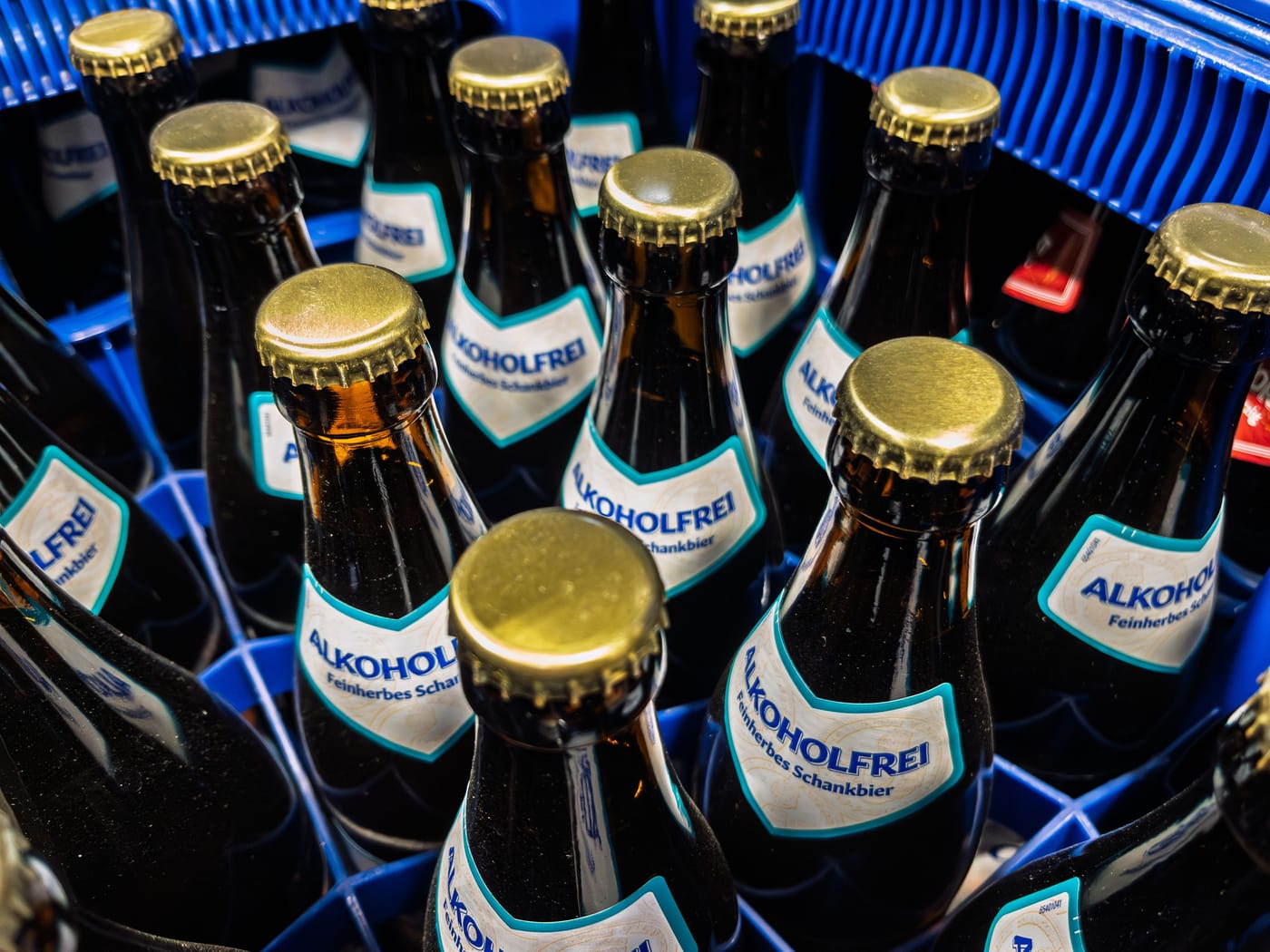
The most direct beneficiary of Gen Z's sobriety shift is the non-alcoholic beverage industry. What began as a niche market of sparkling water and sodas has developed into a $565 million category of sophisticated zero-proof spirits, craft mocktails, and functional beverages — products that replicate the ritual of drinking without the alcohol.
22% of Americans plan to visit a sober bar in 2026. Among Gen Z, that number rises to 41%. Sober bars — which serve Kava, non-alcoholic spirits, and complex mocktails in full bar environments — have opened in major cities and are reporting waitlists.
The money isn't disappearing. It's moving. Into wellness, into fitness memberships, into travel and experiences, into the non-alcoholic industry Gen Z is building around its own preferences. The bar tab didn't vanish. It got redirected.