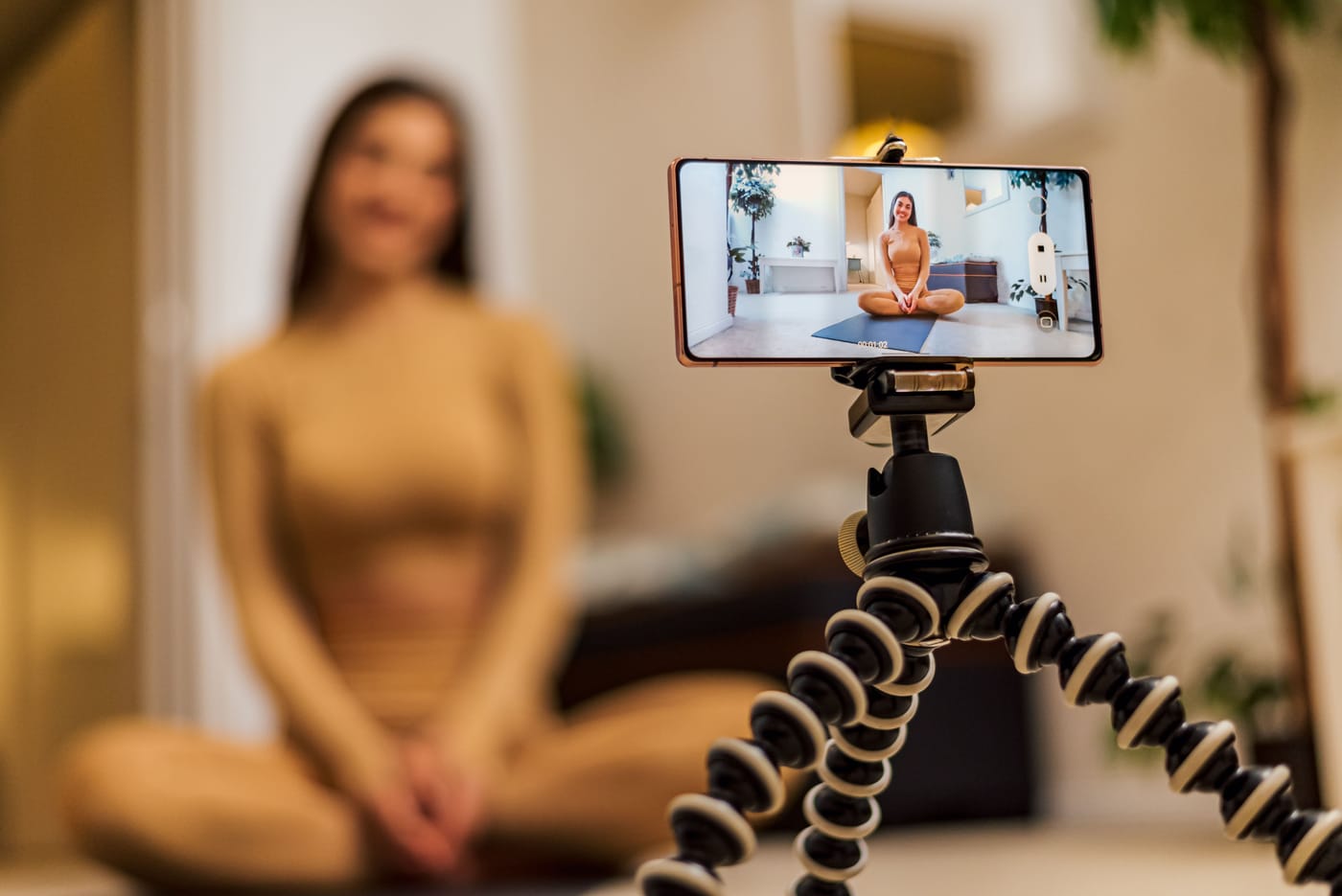
The formula is simple and slightly devastating. A young woman films herself arriving home from work. She plates a simple dinner. She sits on the couch and watches television alone. The caption reads something like: "POV you're single, have no friends, live alone, and won't be having kids so this is your Friday night."
Then the views come. Hundreds of thousands of them. Sometimes millions.
A new category of social media creators — dubbed "loneliness influencers" — has emerged on TikTok and Instagram with an aesthetic built entirely around solitude. Soft acoustic music. Tidy apartments. The particular stillness of a quiet evening with no one in it. What's surprising isn't that this content exists — it's that it's working.
POV: You Have No Friends and This Is Your Friday Night
Lana Isa, a 24-year-old software sales manager in Toronto, stumbled into loneliness influencing after a breakup and a cross-country move left her genuinely isolated. "My only texts were with my mom, my sister, and my phone company letting me know that my bill is ready," she told a reporter. She started posting about her solitary evenings without a specific strategy, and found herself with nearly 200,000 Instagram followers.
The content she and others in this space produce is less about complaint and more about quiet documentation. The videos don't feel sorry for themselves — they're often surprisingly calm, even cozy. The nights-in they show look peaceful. The caption is the reveal: this is what's happening, this is who's here, this is enough.
What's notable is that the comments don't respond with pity. They respond with recognition.
What the Comments Say
"I lost a huge group of my friends in the last couple of years," reads one comment that circulated widely. "It feels good not to feel FOMO because I know I'm not missing out anymore."
Another: "I spend my Friday nights like this too. Humans have caused lots of pain in my life."
The comments sections under loneliness influencer content function less like a typical social media audience and more like a support group that nobody formally convened. People who have been quietly sitting with their own isolation find, in these videos, the rare experience of seeing themselves represented without judgment — and then find each other in the replies.
This is the most interesting feature of the trend: it is converting private loneliness into a kind of community, which is either a beautiful workaround or a profound irony, depending on how you look at it.
Loneliness Going From Crisis to Content
The backdrop to this trend is not trivial. A 2021 meta-analysis in Psychological Bulletin found that loneliness among young adults climbed every single year between 1976 and 2019. Three years ago, the US Surgeon General issued a formal advisory declaring loneliness and social isolation a public health crisis comparable in mortality risk to smoking 15 cigarettes a day. A 2024 global survey found that 80% of Gen Zers report feeling lonely — compared to 45% of Baby Boomers.
The loneliness epidemic is not a new observation. What's new is what's happening to it culturally. Loneliness is being aestheticized. It's being given a visual language — the single plate, the empty couch, the quiet apartment at 8pm — and that language is reaching people who recognize it immediately.
The Question Worth Asking
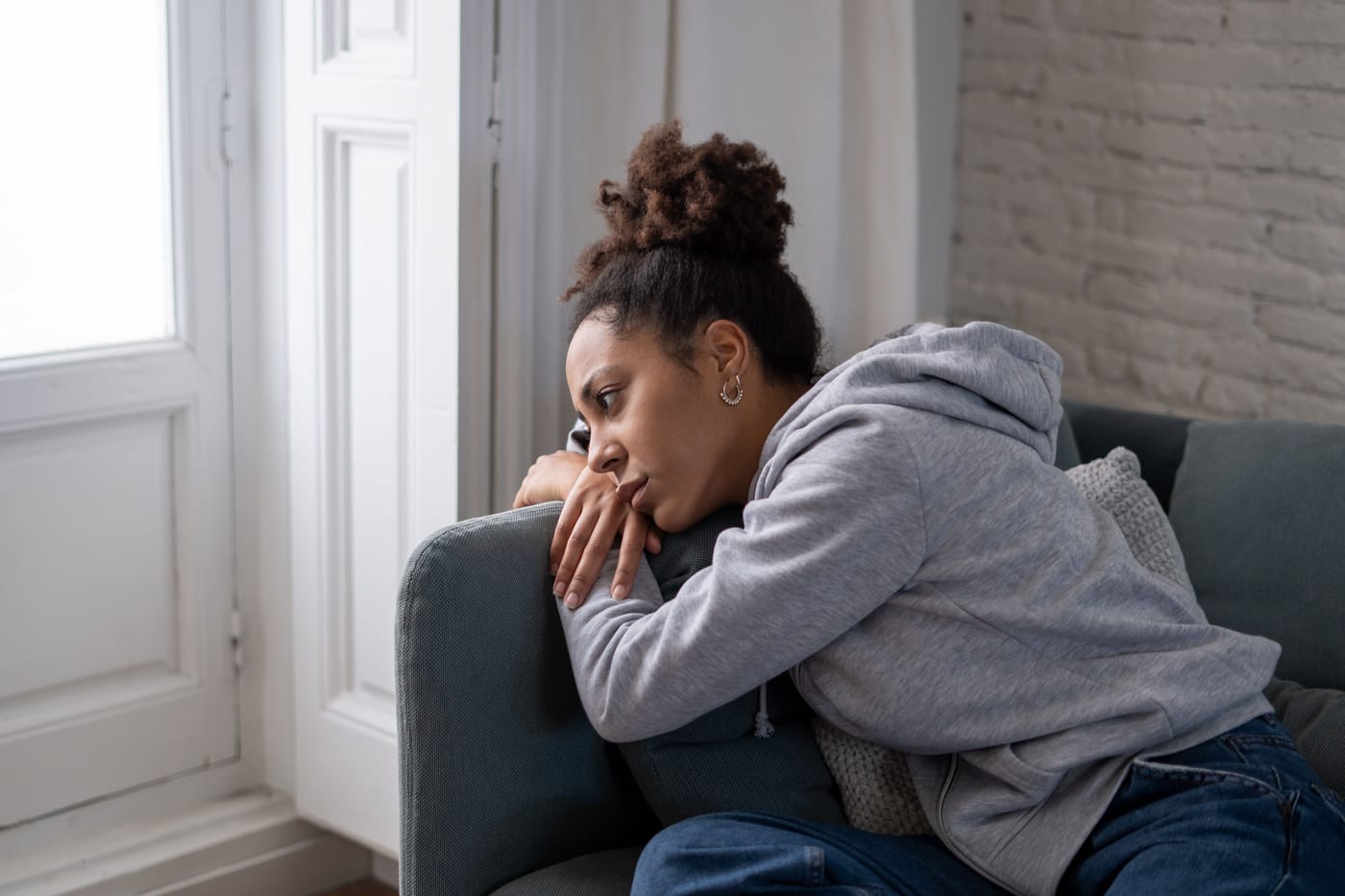
Critics have argued that social media platforms, which algorithmically reward loneliness content because it performs well, are incentivizing a dynamic that makes its participants worse off. If being a friendless influencer is a successful brand, the argument goes, we shouldn't be surprised when it produces more people who are friendless. Social media rewards the performance; it doesn't address the underlying condition.
The more generous reading is that this content is doing something medicine and policy haven't managed: making people who feel alone feel less alone, without requiring them to fix anything first. That's not a solution to loneliness. But it may be a bridge — a place where people recognize their own experience, feel less ashamed of it, and find, if nothing else, that the Friday night they thought was uniquely embarrassing is actually a very crowded room.