
More than five years after the pandemic began, researchers are still mapping what it did to the people who lived through it. A study published in Nature Communications by researchers at the University of Nottingham has added a finding that's harder to set aside than most: the pandemic aged people's brains — measurably, structurally — and it didn't matter whether they ever got COVID.
996 People, Two MRI Scans, One Finding
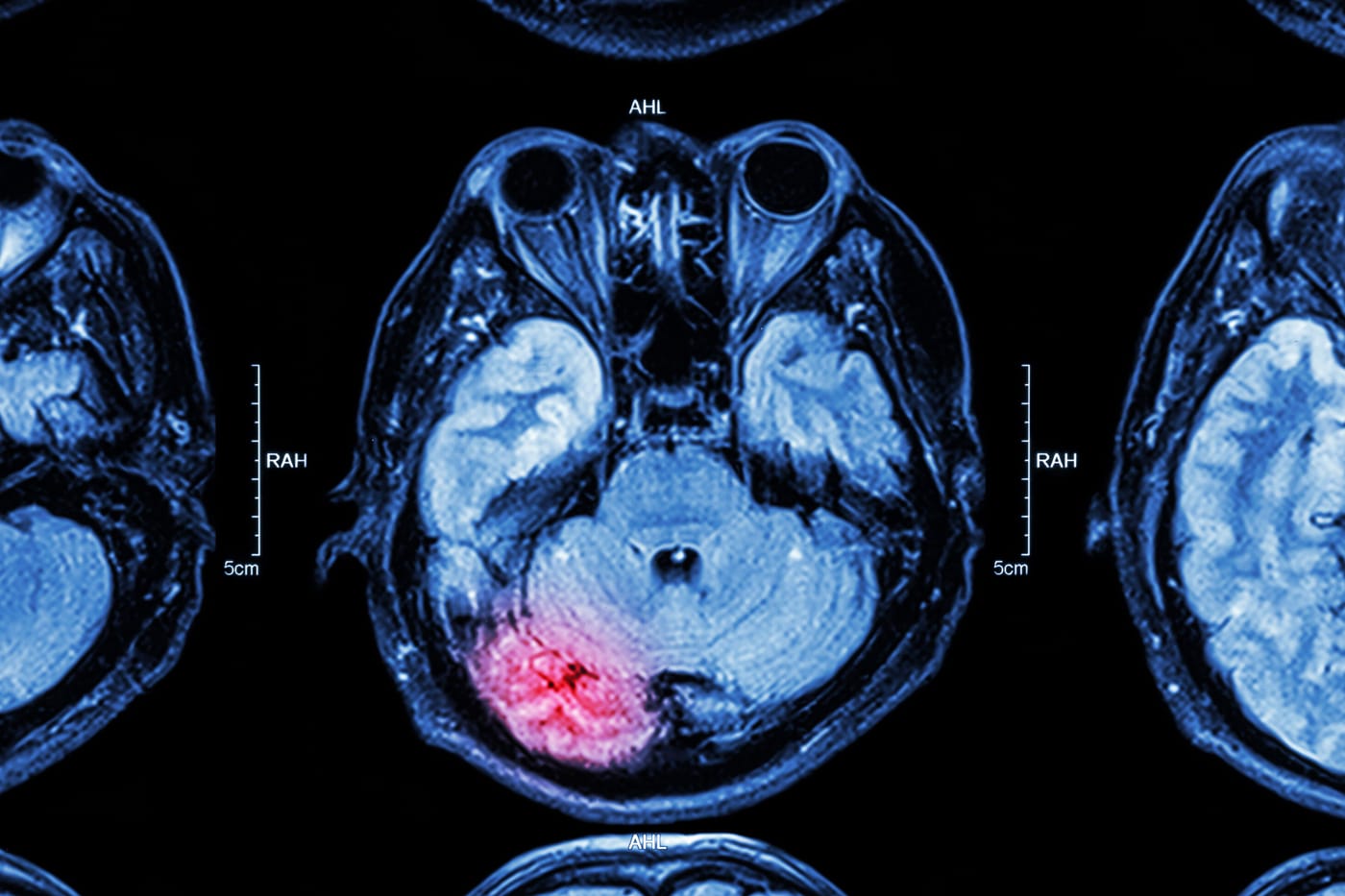
The study used longitudinal neuroimaging data from the UK Biobank — a large-scale British biomedical database — to compare brain scans taken from the same people at two different points in time. One group had both scans taken before the pandemic. The pandemic group had one scan before and one after the pandemic began.
The researchers trained brain age prediction models on data from 15,334 healthy participants, allowing them to calculate a "brain age gap" — the difference between someone's predicted brain age based on their MRI and their actual chronological age. This measure captures structural changes that don't always show up as cognitive symptoms immediately but are associated with the rate at which the brain is aging.
The result: the pandemic group showed an average 5.5-month higher deviation in brain age gap compared to the control group. Their brains looked, structurally, approximately five and a half months older than would have been expected — and the researchers found this across the entire pandemic group, including those who had never been infected with SARS-CoV-2.
The Cause Wasn't the Virus
This is the part that separates this study from prior COVID-brain research. The accelerated aging was present regardless of infection status, which means the virus itself wasn't the mechanism. Something about the experience of living through the pandemic — independent of whether the person caught it — changed the structure of the brain.
The researchers point to psychosocial stressors as the most likely explanation: chronic stress, social isolation, disrupted routines, loss of normalcy, reduced sensory variety, and the cumulative toll of prolonged uncertainty. These aren't abstract factors — they're the texture of life during lockdown. And they left a mark that shows up on an MRI.
What 5.5 Months of Brain Aging Actually Means
Five and a half months sounds modest. The significance lies in how unexpected it is — under normal conditions, the people in the pandemic group would not have shown this level of structural deviation. Something intervened in their baseline aging trajectory.
Brain age gap is associated with risk for cognitive decline and neurodegenerative conditions. A larger gap — a brain that looks older than it is — suggests a pattern of accumulating change that, if sustained, can have longer-term consequences. The study found that actual cognitive decline (measurable performance deficits) was only observed in participants who had been infected with COVID-19, not in the pandemic group as a whole.
But structural brain aging and symptomatic cognitive decline are different points on a long continuum. The 5.5-month deviation may not be producing noticeable symptoms now. Whether it will — and whether the changes are reversible — are questions the researchers say need further study.
Who Was Most Affected
The effect was not evenly distributed. Older individuals showed more pronounced brain age deviation, as did men and those from more socioeconomically deprived backgrounds. The pandemic compounded existing vulnerabilities: people who were already at higher risk of accelerated brain aging experienced the steepest additional change.
This pattern holds across much of the pandemic's health impact — the same stressors that affected everyone disproportionately affected those with fewer buffers. The stress and isolation weren't distributed equally, and neither, it turns out, were the neurological consequences.
What Comes Next
The researchers describe their findings as a baseline — a documentation of what the pandemic did to people's brains up to a specific point in time. What they don't yet know is whether the changes are permanent or whether the brain's structural trajectory can recalibrate.
The finding that psychosocial stress, social isolation, and routine disruption can produce measurable brain aging is not entirely new. What the pandemic did was run that experiment on nearly an entire population simultaneously, creating a data set that wasn't previously possible to obtain. The results are, as the researchers note, compelling — and concerning enough to warrant follow-up study in the years ahead.














