
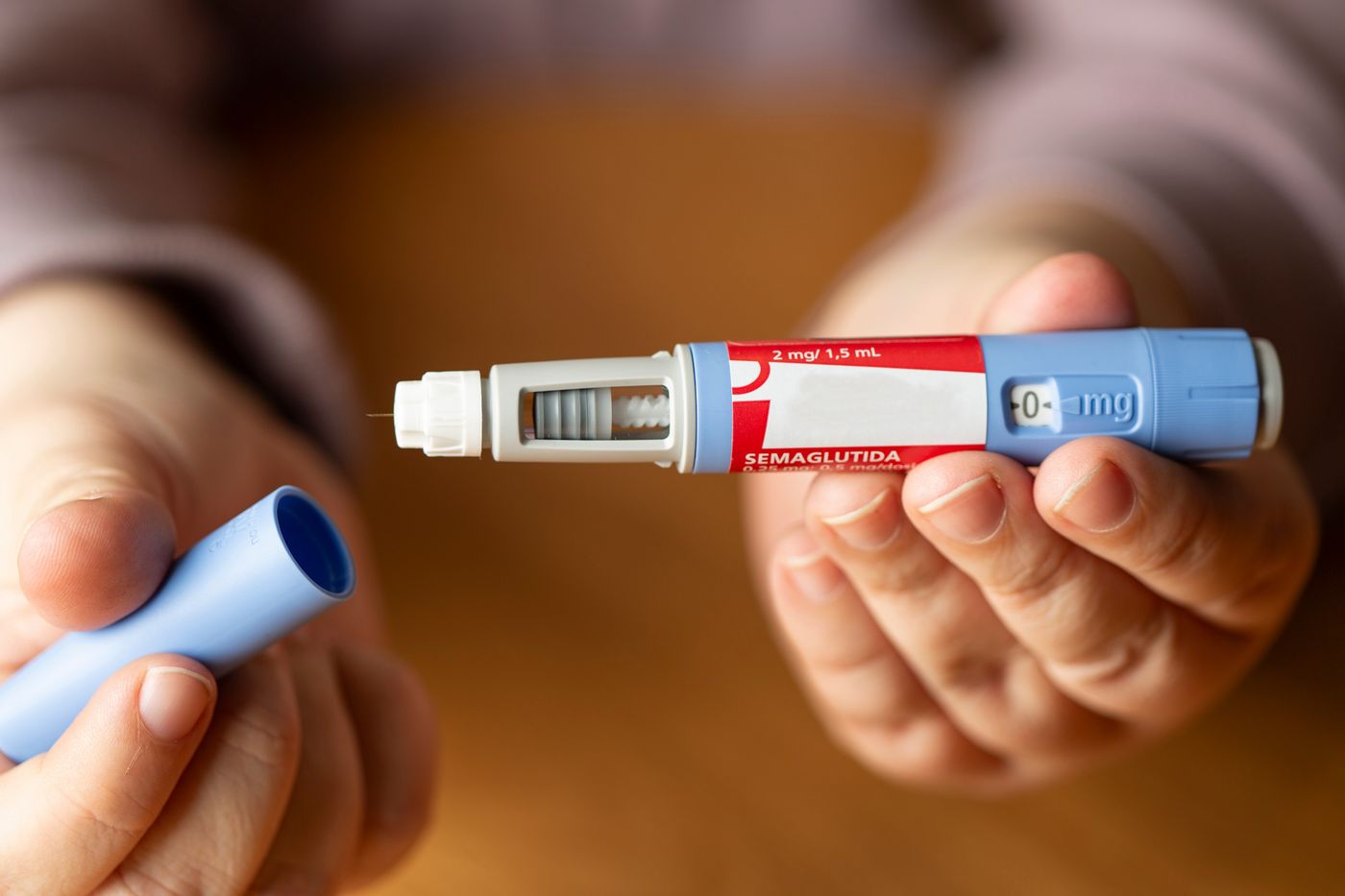
Millions of people are taking GLP-1 drugs — Ozempic, Wegovy, Mounjaro — and millions of those same people are also taking other oral medications. Statins. Antidepressants. Contraceptives. HRT. Blood thinners.
Emerging science suggests those two things may not be as compatible as everyone assumed. And the specific effect nobody is discussing is one that a Cambridge University professor has a very direct prediction about.
"There's going to be a lot of unexpected babies," says Professor Giles Yeo, an appetite hormone specialist at the University of Cambridge, speaking to BBC Science Focus.
How GLP-1s Are Interfering With Your Other Medications
GLP-1 drugs work by mimicking a hormone that makes you feel full — slowing the rate at which your stomach empties. That's the mechanism behind the weight loss. What fewer people know is that GLP-1s apply that same slowing effect to everything passing through your digestive system, including every oral medication you take.
Dr Simon Cork, a physiology researcher at Anglia Ruskin University, describes what happens: "It is in the small intestine where most oral drugs are absorbed. If you slow the rate at which things move through the stomach, then the drugs might get broken down quicker than they can be absorbed."
Think of your medication as an ambulance trying to reach its patient. GLP-1s create a traffic jam in your digestive system. The ambulance gets held up. It waits. And the road it's sitting on is acidic — so while it idles, the vehicle itself begins to degrade. By the time traffic moves, what arrives at its destination may be less effective than what set out.
Beyond delayed absorption, vomiting and diarrhea — side effects that affect nearly a quarter and a third of GLP-1 users respectively — can further undermine medication efficacy. If you vomit a medication back up, you have no way of knowing how much actually absorbed.
The Oral Contraception Problem

This is where the implications become most immediate for most people.
A 2024 study found that tirzepatide — the active ingredient in Mounjaro and Zepbound — delayed absorption of the combined contraceptive pill by up to four hours and reduced levels of one of the pill's active ingredients in the blood by 20 percent.
Professor Yeo is direct about what he believes the practical consequence is: "The hormone needs to be delivered at the right place, at the right time — crucially — to have the maximum effect. You're not going to suddenly become pregnant, but if millions of people are taking [GLP-1s], and millions of women are on oral contraception, you're going to get a lot of unexpected babies."
There is already anecdotal evidence this is happening. Anecdotal reports of so-called "Ozempic babies" have accumulated in online communities. The UK government's formal guidance now recommends that women on GLP-1s use condoms alongside the pill — at minimum while starting or increasing doses — or switch to a non-oral contraceptive such as the coil, implant, or patch.
Non-oral contraceptives are unaffected by GLP-1s because they don't pass through the digestive system.
The Other Medications at Risk
Oral contraception is the most acute concern, but it's not the only one. BBC Science Focus summarizes the current evidence:
Oral HRT carries similar risks to oral contraception — absorption timing affected, levels potentially reduced. Cork and other researchers recommend switching to a patch or other non-oral form where possible.
Levodopa — the primary medication used to treat Parkinson's disease — requires very rapid absorption from the stomach to be effective. GLP-1s' slowing effect may interfere with this timing significantly.
Warfarin (a blood thinner) and statins have both shown changes in absorption timing in studies, though one 2024 paper found these changes may not be clinically significant for most patients. More research is needed on both.
The Hidden Problem Making It Worse
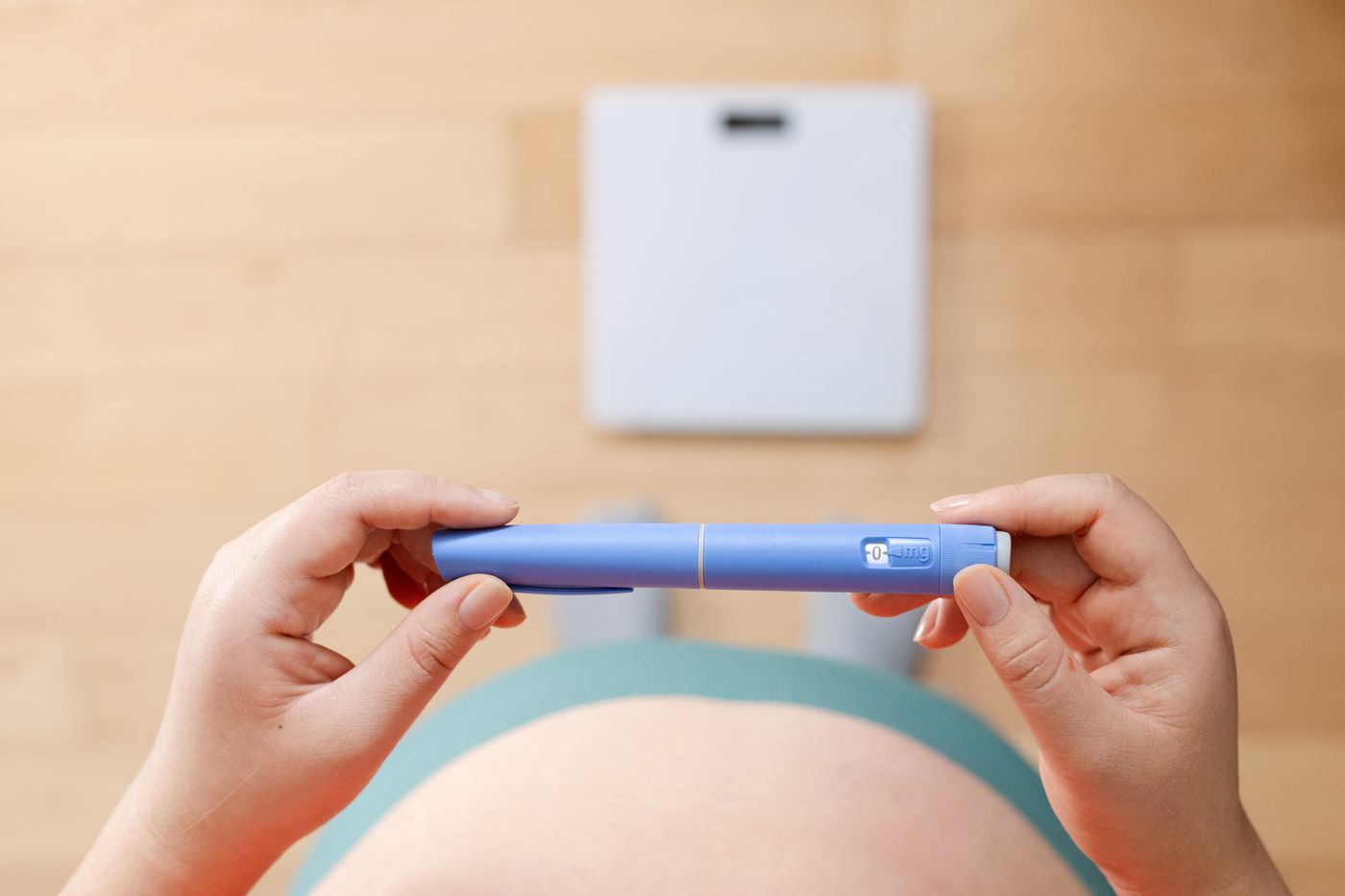
Researchers are flagging something that complicates the picture further: many people taking GLP-1 drugs are not disclosing this to their doctors.
"This is one of the few drugs that people hide," says Professor Yeo. "There are many people who are slightly ashamed that they're taking it and end up hiding it from their doctor."
The consequence: doctors prescribing or reviewing other medications don't know to adjust dosages, timing, or formulations to account for the GLP-1 interaction. The medication prescribed is the right one for the condition. It may not be arriving in the right amounts.
"Tell your doctor so that you can mitigate against this," says Yeo. "That's the message."
If you are taking any GLP-1 drug and any oral medication — particularly oral contraception, HRT, levodopa, blood thinners, or any drug where precise timing matters — the current guidance from researchers is to have that conversation with your prescribing physician now.














