

In the mid-1990s, a Stage 4 cancer diagnosis — meaning the disease had spread to other organs — carried a five-year survival rate of about 17 percent. By 2021, that figure had climbed to 35 percent. Targeted gene therapies and precision drug treatments have transformed what was once almost always a short prognosis into something more complicated: a life that continues, often for years, in the shadow of a disease that hasn't left.
Some patients are what oncologists call super-responders — people whose cancers stabilize or shrink dramatically and stay that way for more than a decade. For many others, the story is different. The cancer doesn't advance, but it doesn't disappear. Treatment continues. Scans continue. And the person continues too, suspended in something that a recent New York Times investigation has found medicine has no adequate name for, and that society has almost no framework to support.
From 17% to 35% in Thirty Years
The statistical improvement is real and meaningful. The development of gene-targeted therapies has meant that certain cancers — particularly lung, breast, and some forms of colon cancer — respond to treatments that can hold the disease stable for extended periods. A patient who in 1994 might have died within months now might live for five, seven, or ten years with ongoing treatment.
This is, without question, progress. But the lived experience of that progress has produced a new kind of situation that medicine has been slow to address — not the sharp arc of diagnosis, treatment, and either recovery or death, but something flatter and more ambiguous: the ongoing management of a disease that remains, for now, contained.
The Long Middle

One woman with lung cancer described it to the Times as occupying "the long middle." The phrase captures something that clinical language has struggled to hold. Not dying — not in the immediate sense that Stage 4 once implied — but not well in any way that allows ordinary life to resume as if the diagnosis hadn't happened.
The future, for people in this position, is measured in something that feels less like time than like contingency. Months. Perhaps years. The uncertainty is not about whether the disease is present — it is. The uncertainty is about when it will move, and how fast, and what that will mean.
Decisions That Stop Making Sense
That temporal uncertainty radiates outward into decisions that most people make without thinking. Do you plan a large trip, knowing that treatment schedules may change the moment you try to book it? Do you update your résumé and pursue a new job, or does that feel absurd? Do you sell the house — which might make practical sense — or do you assume you'll still be living there in three years?
"Do you plan that big trip or update your LinkedIn?" is not a rhetorical question for people in the long middle. It is a literal daily negotiation between a self that wants to live as if the future is open and a body that makes that self difficult to fully believe.
The Survivorship Gap
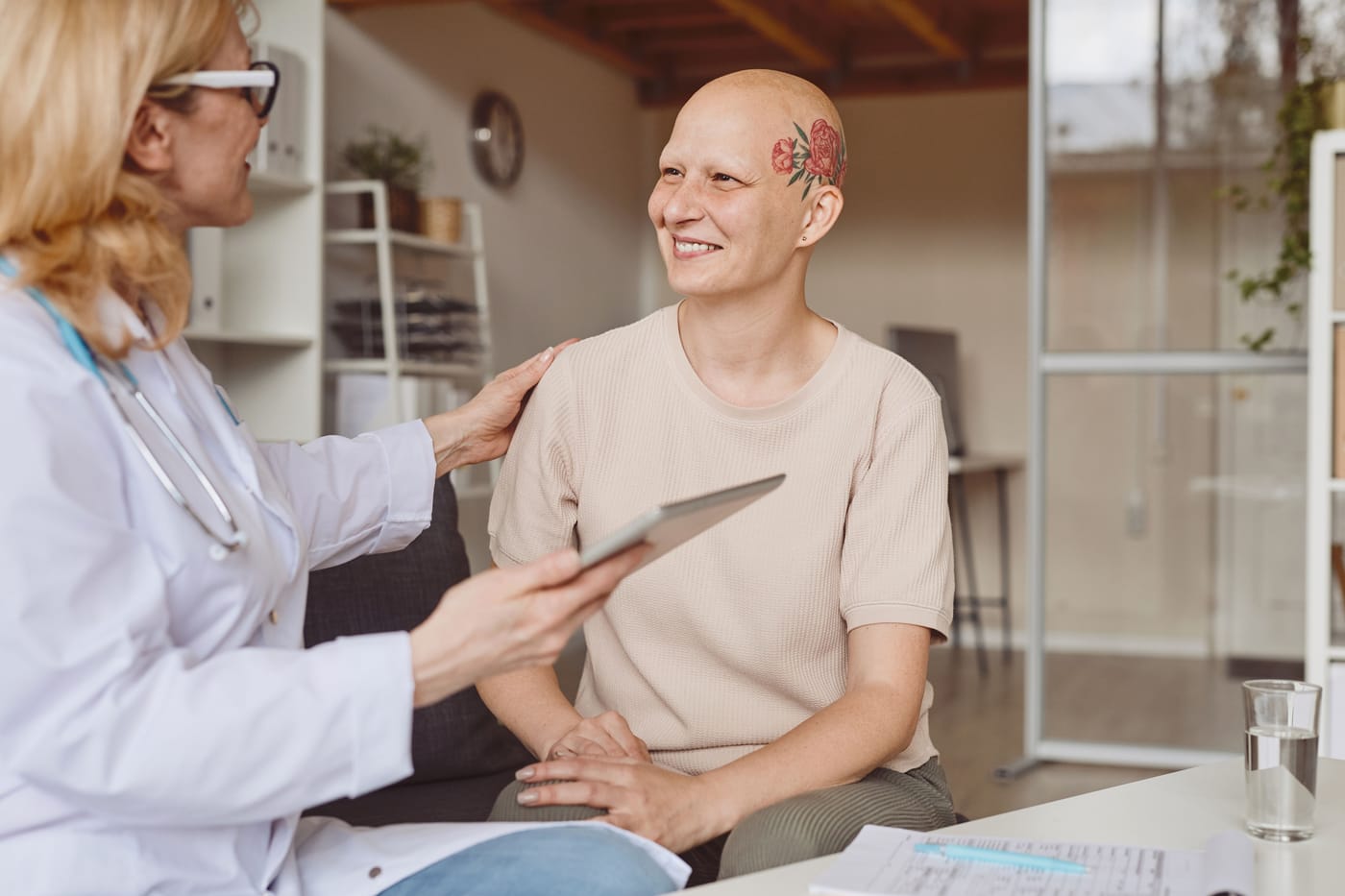
There is an established vocabulary and cultural script for two stages of serious illness: the acute crisis and its resolution, in either direction. People know how to celebrate remission. They know how to mourn a death. What they don't know — and what the Times investigation surfaced through interviews with patients, families, and clinicians — is how to support someone who remains seriously ill and continues to live.
One woman, preparing for what she called "the unknown," met with a death doula and began planning her own funeral. She sorted through her belongings, making decisions about what to pass on. Then, according to the Times, she grew angry. She was still alive. She put things back. "Some things," she decided, "could wait."
The survivorship gap is the space between those two acts — the planning and the refusal — where many patients now live for years at a time, in a cultural and medical no-man's-land that offers little language and less practical support. Improving survival rates have created a new population of people for whom the old frameworks don't fit. Building new ones may be the quiet medical task of the next decade.














