

Five people in Louisiana have died from Vibrio vulnificus so far in 2026. Nine have been infected in total. During the same period over the previous ten years, the state averaged seven cases and one death annually. This year has more than quadrupled the typical death count by this point in the summer — and the Louisiana Department of Health issued a formal warning this week urging residents to take immediate precautions.
You've heard it called flesh-eating bacteria. Here's what that actually means, who is at risk, and what you should know before you go back in the water.
What Vibrio Vulnificus Is
Vibrio vulnificus is a bacterium that lives naturally in warm coastal waters, particularly in the Gulf of Mexico but increasingly in Atlantic coastal waters as ocean temperatures rise. <cite index="16-1">According to the CDC, about one in five people who contract Vibrio vulnificus will die from it.</cite> It can also lead to amputations.
The "flesh-eating" description refers to a specific and severe complication called necrotizing fasciitis — a condition in which tissue around a wound dies rapidly, requiring surgical removal to stop the spread. This is not a guaranteed outcome of every infection, but it is among the most serious, and it can progress within hours.
There are actually about a dozen Vibrio species that cause illness, but Vibrio vulnificus is by far the most dangerous.
How People Are Getting Infected
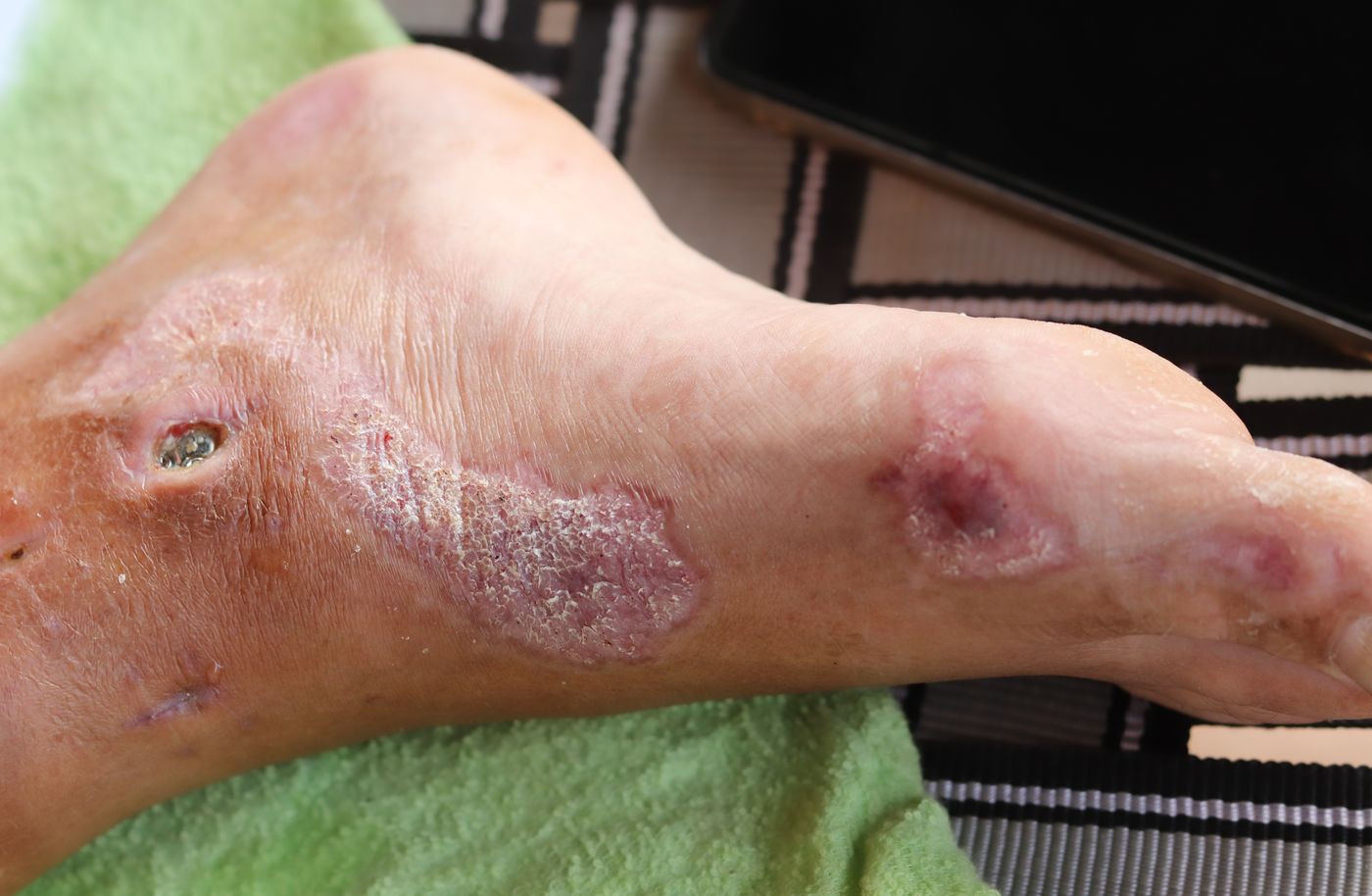
<cite index="15-1">All nine cases reported in Louisiana in 2026 were associated with wounds exposed to seawater, and all patients had underlying health conditions.</cite> Nobody became infected from eating shellfish this season in Louisiana — though that is an established route of transmission and the reason oyster safety warnings exist.
The mechanism for wound infections is simple: you have any kind of cut, scrape, or open wound on your body, and you enter warm coastal or brackish water where the bacteria are present. The bacteria can enter through that wound. You do not need to be swimming. Wading with a healing cut on your foot is sufficient.
Infections are most common between May and October, when water temperatures are warmest and bacterial concentrations are highest. The bacteria are not visible in the water and cannot be detected through any simple test. There is no way to tell from looking at the water whether it is safe.
Who Is Most at Risk
Not everyone who is exposed to Vibrio vulnificus becomes seriously ill. The cases that result in death or amputation almost always involve people with specific underlying conditions.
The conditions that significantly raise risk for severe disease: liver disease of any kind, cancer, diabetes, HIV, immune-suppressing medications or treatments, medications that reduce stomach acid (including common over-the-counter antacids used regularly), and recent stomach surgery.
This is the part of the warning most people skip past: if you take a proton pump inhibitor daily — omeprazole (Prilosec), esomeprazole (Nexium), pantoprazole (Protonix), or similar — you are in a higher-risk category. Stomach acid is one of the body's primary defenses against pathogens. Reducing it systematically can lower resistance to infections including Vibrio.
If you have any of the above conditions or take any of the above medications, the state health department's current guidance is simple: avoid contact with coastal or brackish water if you have any open wound, and avoid raw or undercooked shellfish.
It's Spreading North
The Louisiana outbreak is the most severe, but it is not isolated. Florida has recorded two deaths from Vibrio vulnificus so far in 2026. In 2024, Florida recorded 19 deaths — a number that spiked after hurricanes brought floodwater and standing water into communities, creating conditions where wound exposures multiplied.
More alarmingly, <cite index="16-1">Vibrio vulnificus was discovered in water samples taken in coastal areas of New York's Long Island this spring</cite> — a region where it was not previously found. Rising water temperatures caused by climate change are expanding the bacterium's range northward. The Gulf Coast is no longer the only coast where this warning applies.
What to Do
The Louisiana Department of Health's guidance is direct: if you have an open wound, avoid coastal and brackish water. If you must enter the water, cover wounds with waterproof bandages — though health officials note this is not a guarantee of protection. After leaving the water, rinse wounds thoroughly with clean fresh water.
If you develop symptoms after coastal water exposure — fever, chills, rapidly spreading redness or swelling at a wound site, blistering skin lesions, or severe gastrointestinal symptoms — seek emergency medical care immediately. Do not wait to see if symptoms improve.
Vibrio vulnificus can progress from initial infection to life-threatening illness within 24 to 48 hours. This is not a wait-and-see situation.














