
Michigan typically records about 50 cases of cyclosporiasis per year. Since June 22, 2026, the state has recorded more than 700 — with health officials warning that cases could easily reach 1,000 before the outbreak is contained. Investigators have not identified the food source.
The same parasite is spreading across more than 17 states simultaneously. Ohio has reported 177 cases, Illinois 141, New York 120, Indiana 72, Texas 48. Additional clusters have been identified in Alabama, Kentucky, Pennsylvania, Tennessee, Virginia, and West Virginia. The CDC and FDA are actively investigating, but as of July 8, no specific produce grower, supplier, or food type has been confirmed as the source. The demand for diagnostic tests is so intense that many labs cannot keep up.
What Cyclospora Is and Why "Explosive" Is Accurate
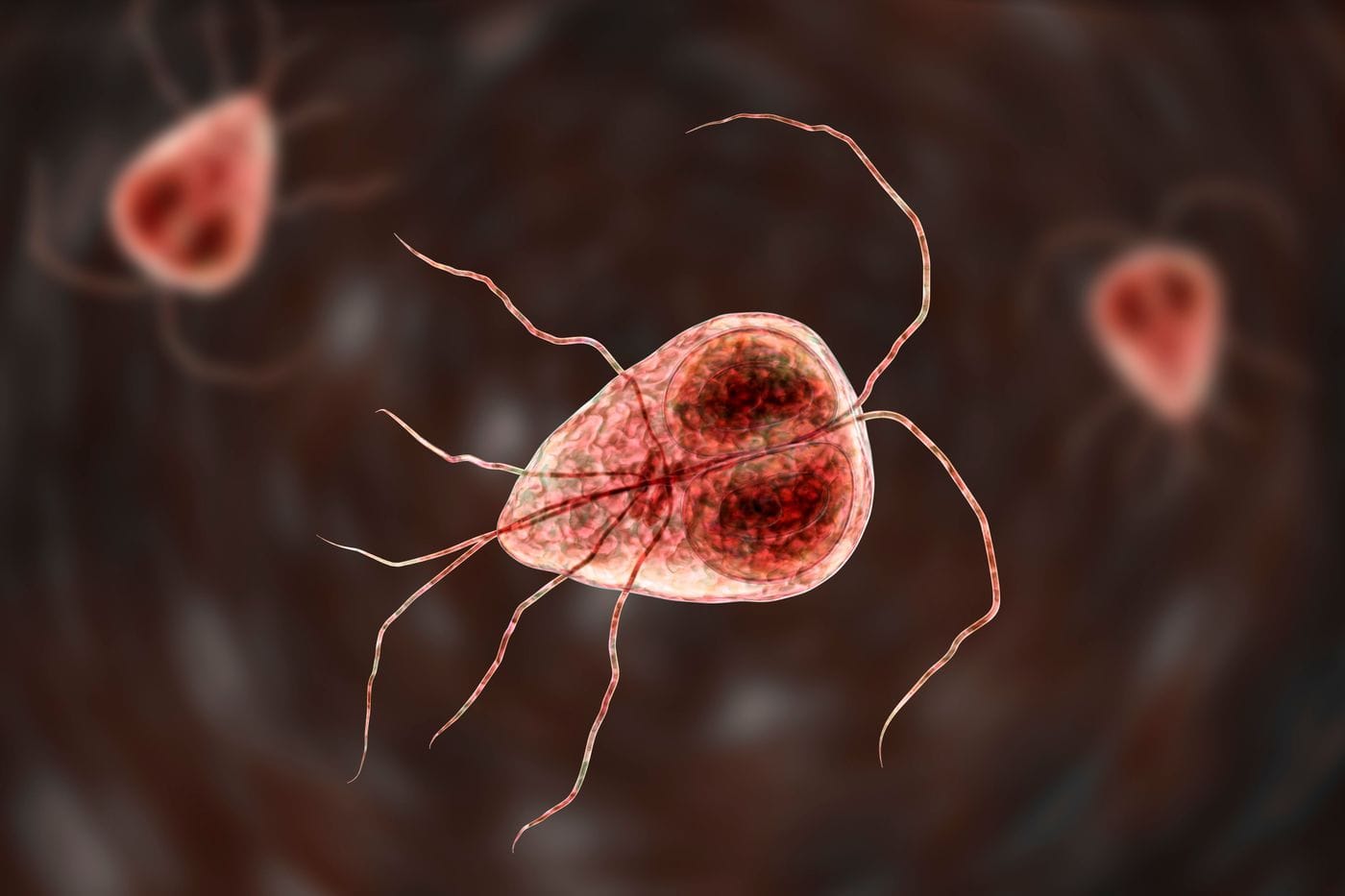
Cyclospora cayetanensis is a microscopic, single-celled parasite that infects the small intestine. It spreads through the fecal-oral route — specifically through food or water contaminated with human feces. Person-to-person transmission is extremely unlikely; this is a foodborne illness.
The primary symptom is what epidemiologists describe as "explosive" diarrhea — severe, watery, and uncontrollable. Other symptoms include unusually bad gas, severe stomach cramps, loss of appetite, nausea, vomiting, and a low-grade fever. The incubation period is 2 to 14 days after exposure, which means people who ate the contaminated food last week may begin feeling sick this week. Once symptoms start, they can last anywhere from a few days to more than a month — often longer than people expect.
The infection is treated with a combination antibiotic, trimethoprim-sulfamethoxazole. Most people with healthy immune systems will recover without treatment, but the illness is prolonged and miserable enough that treatment is generally recommended. People who are immunocompromised, elderly, or very young are at higher risk for extended illness and relapse.
Michigan Has 700+ Cases. Normal Is 50 Per Year.

The scale of the current outbreak is what has health officials alarmed. Michigan's surge from 0 to 700+ in two weeks represents more than a decade's worth of cases in one of the hardest-hit states. "Cases in Michigan could easily reach 1,000," said Dr. Anurag Malani of Trinity Health Ann Arbor. "There are many more cases that are yet to come."
The outbreak's characteristics suggest a localized common-source exposure rather than a slow community spread — the spike in Michigan is concentrated enough geographically to suggest a specific food served or sold in that region. But investigators examining the usual suspects — fresh herbs like cilantro and basil, bagged salad mixes with romaine, snow peas, raspberries — have not yet found the smoking gun. Cucumbers, green and white onions, and bagged leafy greens are also under active investigation.
The 2022 cyclosporiasis outbreak in Florida was eventually linked to a Caesar salad kit. The 2019 outbreak — the worst in recent memory, with nearly 4,700 cases — was traced to bagged salad mixes. Both took weeks to identify. This outbreak is still in that early window.
The Source Is Unknown — and That's the Problem
Cyclospora is notoriously difficult to trace. Unlike E. coli and salmonella — where DNA sequencing can match the strain in sick patients to the strain in food — cyclospora's single-celled structure makes gene fingerprinting much harder. Investigators must rely on case interviews, asking sick people what they ate and looking for common threads across dozens of households. This process is slow.
The CDC, notably, made cyclospora tracking optional in July 2025 as part of scaling back its Foodborne Diseases Active Surveillance Network. This means the reported case counts are almost certainly an undercount — people who developed symptoms but didn't seek care, or whose providers didn't test for or report the parasite, aren't in the numbers.
The practical implication: nobody can currently tell you which specific food to avoid. The broad guidance from the CDC — wash produce thoroughly, follow safe food handling practices — is accurate but insufficient when the source is unknown. Washing does not eliminate cyclospora from contaminated produce; studies confirm that standard rinsing is not fully effective against this particular parasite.
What to Do and When to Get Tested
The CDC advises that if you have diarrhea that's lasted more than three to five days — or more than two days if you're in an area near a known outbreak — you should contact a healthcare provider and get tested specifically for cyclospora. Standard stool tests don't automatically test for it; you need to request it explicitly.
If you test positive, notify your local health department. The more case data investigators have, the faster they can identify the source. If you become dehydrated — particularly likely with prolonged diarrhea — seek care promptly.
The states currently reporting higher-than-normal case volumes: Michigan, Ohio, Illinois, New York, Indiana, Texas, North Carolina, Alabama, Kentucky, Pennsylvania, Tennessee, Virginia, and West Virginia. If you're in any of these states and develop gastrointestinal symptoms, cyclospora should be on your list of possibilities.














