
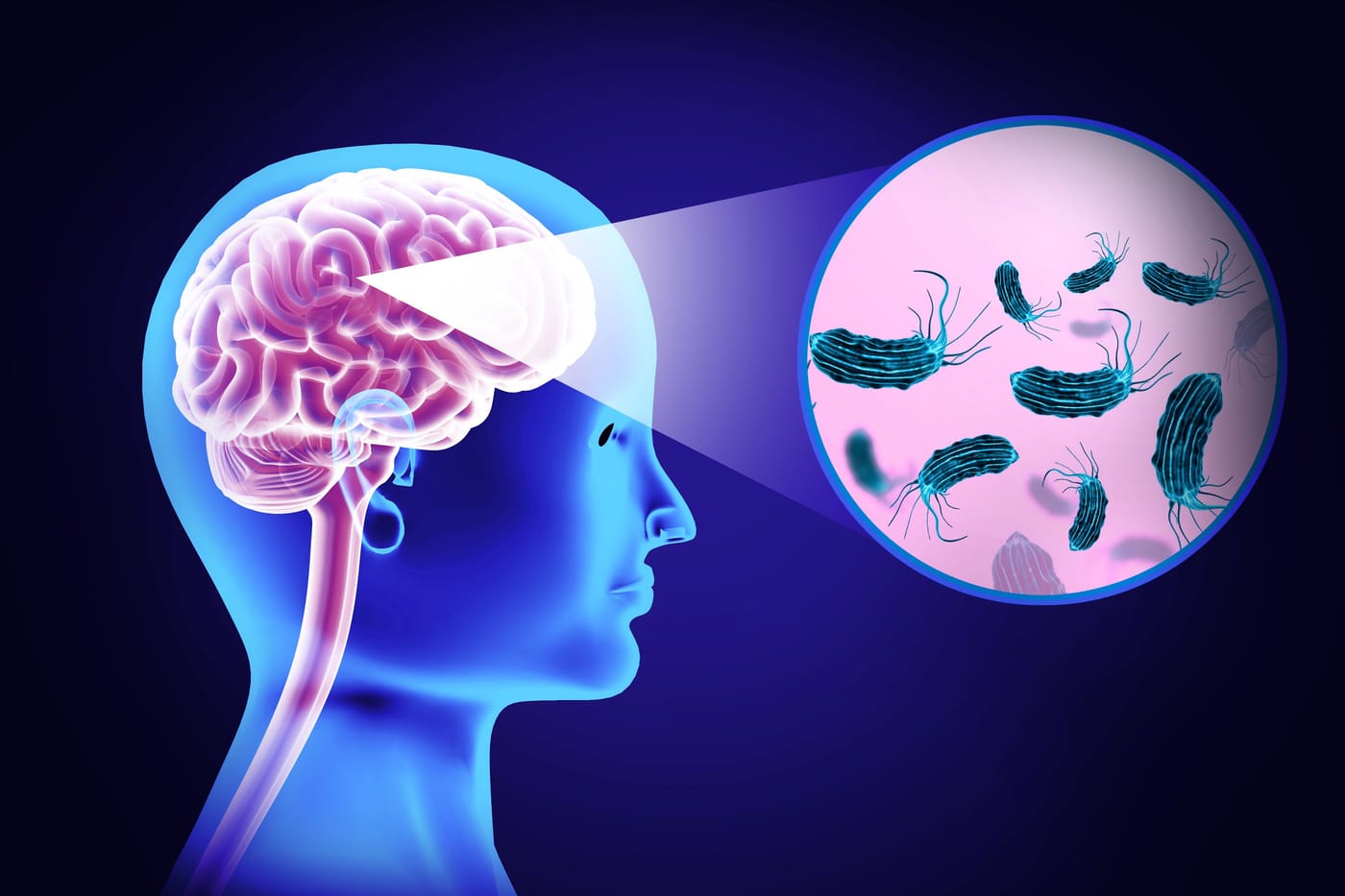
The name sounds like something from a horror film, but Naegleria fowleri is a real organism with a real and nearly perfect kill rate. Of the 167 people known to have been infected in the United States since 1962, four survived. The rest died within days — typically between one and seven — after the amoeba entered through their nose, migrated to the brain, and began destroying tissue.
Until recently, this was primarily a problem for warm freshwater lakes in Texas, Florida, and Arizona. A new study published in ACS EST Water, conducted by researchers from the U.S. Geological Survey and Montana State University, has changed that picture. The amoeba was detected in 34% of water samples taken from three of the country's most visited national parks: Yellowstone, Grand Teton, and Lake Mead National Recreation Area. Some of the concentrations found exceeded the only international safety threshold on record — a limit set by France's Public Health Ministry at 100 cells per liter. One sample at Grand Teton's Polecat Hot Springs came in at 115.7 cells per liter.
Eight Years of Samples, Three Parks
The study was methodical rather than reactive. Researchers collected 185 water samples from 40 sites across five national park locations between 2016 and 2024, spanning Yellowstone, Grand Teton, Olympic, Lake Mead, and Newberry National Volcanic Monument in Oregon. The amoeba appeared at three of the five sites — and at several locations where it had never previously been documented.
New detections included Lewis Lake Hot Springs in Yellowstone, Nevada Hot Spring, Boy Scout Hot Spring, and Rogers Hot Spring in the Lake Mead area. Olympic and Newberry tested negative entirely. The geographic expansion is consistent with a broader pattern in CDC case data: PAM infections — primary amebic meningoencephalitis, the disease N. fowleri causes — have been creeping northward since 1962, tracking warming water temperatures.
What the Amoeba Actually Needs
N. fowleri is not dangerous when ingested. It lives in soil and warm freshwater worldwide and causes no harm to humans when swallowed — the digestive system handles it without incident. The specific danger is nasal entry: when contaminated water goes up the nose during swimming, diving, or jumping into water, the amoeba can travel along the olfactory nerve directly to the brain. Once there, it triggers an immune response that produces rapid, catastrophic swelling and tissue destruction.
The infection is almost universally fatal not because treatment doesn't exist but because it is almost never caught in time. Early symptoms — headache, fever, nausea — are indistinguishable from bacterial meningitis. By the time a correct diagnosis is made, the disease has typically progressed beyond what treatment can address. The CDC counts only four survivors in over 60 years of documented cases in the US.
Why Climate Change Is the Driver
N. fowleri thrives in water between roughly 71 and 115 degrees Fahrenheit. In cooler northern climates, water temperatures historically stayed below that threshold long enough to limit the amoeba's viable habitat. As average water temperatures rise, that threshold is being crossed in more places, for longer periods of the year, further north than before.
The study's authors note that the presence of N. fowleri at Yellowstone and Grand Teton — both well above the historical geographic range for PAM infections — is consistent with this northward expansion pattern. Minnesota currently holds the record as the northernmost state with a confirmed N. fowleri fatality. The researchers suggest that if temperatures continue rising, that record may not stand.
What the National Park Service Said — and Didn't
The NPS responded to the study with a measured statement: the findings are consistent with what's already known about N. fowleri in warm freshwater, infections remain extremely rare, and the study does not prompt any new nationwide warnings. Individual parks will issue advisories if local conditions warrant.
That's accurate as far as it goes. Less than ten people in the US are infected each year, and the absolute risk of any given swim is extremely low. What has changed is the geography of that low risk — and the fact that the US currently has no official standard for safe or unsafe concentrations of N. fowleri in recreational water. France has one. Australia has one. The US does not.
What You Can Actually Do
Keep water out of your nose in warm natural freshwater. Pinch it when jumping in. Avoid submerging your head in warm standing water during hot weather, when surface temperatures peak. The amoeba needs nasal entry; deny it that, and the risk drops to near zero.














