
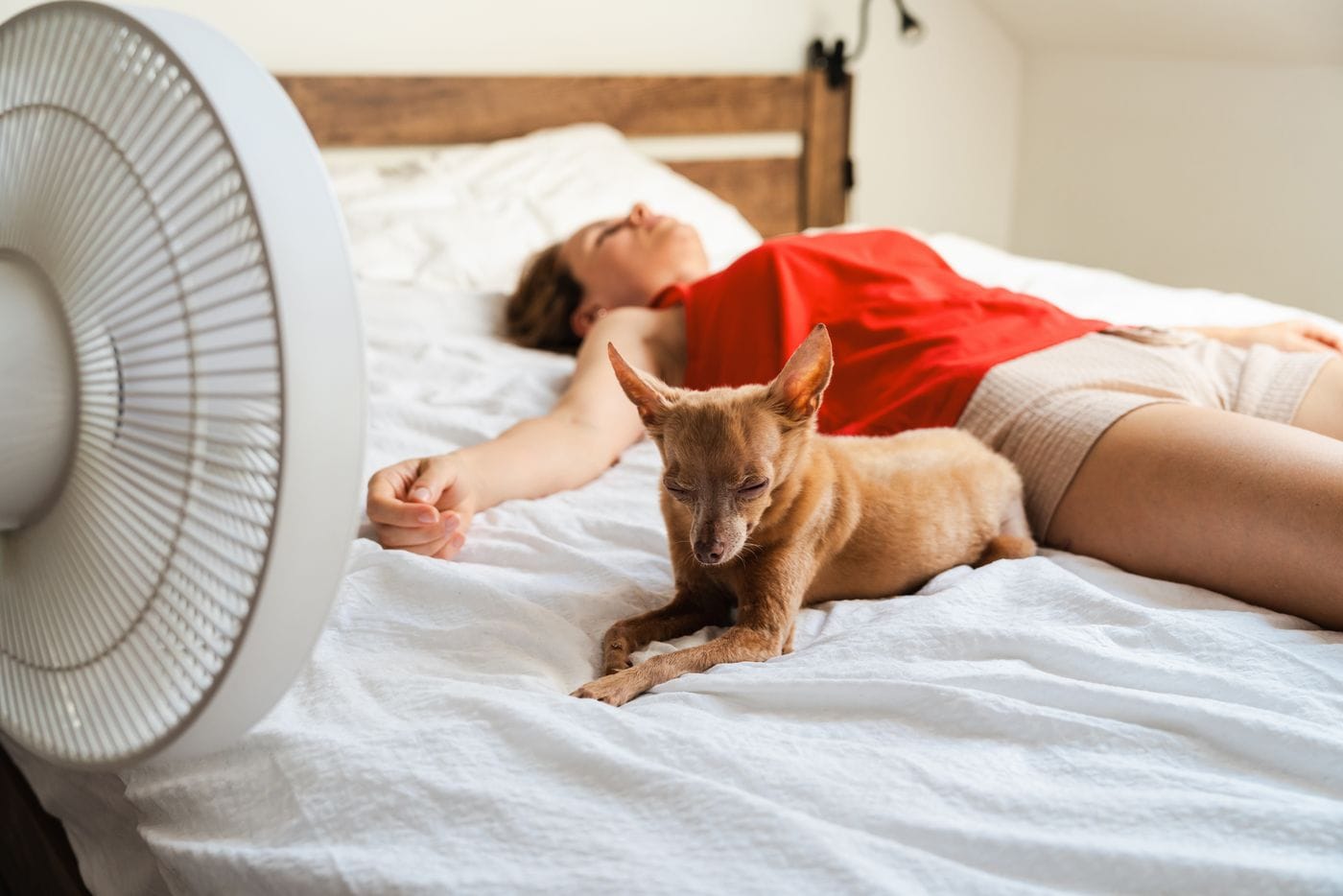
In mid-June 2026, AccuWeather warned that a dangerous heat dome would affect approximately 170 million Americans, with heat index values approaching 110°F across more than three dozen states. What makes this summer particularly dangerous — for people and pets alike — is not just the daytime highs. It's the nights.
Newark and Philadelphia recorded three consecutive overnight lows at or above 80°F in June, a first in recorded history for those cities. Heat experts emphasize that overnight cooling is when the body recovers from the day's heat load. When nights stay this warm, humans and animals enter the next day already depleted. The Humane World for Animals (formerly the Humane Society of the US) issued a formal alert this week urging pet owners to take specific precautions: "Extreme heat can turn deadly in minutes for the animals who rely on us."
Why Pets Are More Vulnerable Than You Think
Dogs and cats cannot sweat the way humans do. Dogs release heat primarily through panting and through the pads of their feet — both mechanisms are significantly less efficient than human sweating, particularly in high humidity. "High humidity amplifies the negative impact of high temperature on your pet," said Dr. Barbara Hodges, DVM, of the Humane Veterinary Medical Association. "When animals pant, moisture from their lungs evaporates and helps reduce their body heat. But high humidity conditions hamper that process and their ability to cool themselves, and their body temperature can skyrocket."
Normal body temperature for dogs and cats ranges from 100 to 102.5°F. When a dog's temperature reaches 108°F, irreparable organ damage can begin — and death can follow quickly. Fans, which help humans considerably, provide minimal relief for pets. The physics are different.
Brachycephalic breeds — dogs and cats with flat, pushed-in faces, including pugs, French bulldogs, boxers, Persian cats, and shih tzus — are at significantly higher risk than other breeds. Their airways are structurally compromised under normal conditions; extreme heat makes breathing even harder. If you have a flat-faced dog, the threshold for keeping them inside and in air conditioning is much lower than for other breeds.
The Specific Mistakes That Kill Pets Every Summer

Leaving a pet in a parked car is the most common fatal error. On an 85°F day, the interior of a parked car reaches 102°F within 10 minutes. With windows cracked. Even in the shade. The temperature continues rising. On a 95°F day, the car reaches 120°F within 20 minutes. There is no safe duration for leaving a pet in a parked car in summer heat.
Walking dogs at the wrong time of day — midday or early afternoon — is the second most common mistake. Asphalt and concrete absorb heat throughout the day and can reach temperatures well above air temperature. A simple test: place the back of your hand on the pavement and hold it there for seven seconds. If you cannot, it's too hot for your dog's paw pads, which can blister and burn. Walk dogs in early morning or after sunset, on grass when possible.
Failing to watch humidity — not just temperature — is the third mistake. A day that feels manageable to a human can be dangerous for a dog if the dew point is high.
What Heatstroke Looks Like Before It's Too Late
Signs of heatstroke in pets include heavy panting that doesn't slow down, glazed eyes, rapid heartbeat, difficulty breathing, lack of coordination, excessive drooling, vomiting, and — critically — a dark red or purple tongue. A normally pink tongue turning darker is a serious warning sign that the animal's core temperature is dangerously elevated.
Animals at particular risk: those who are elderly, overweight, very young, or have heart or respiratory conditions. These pets should be kept in air conditioning on days with heat index values above 90°F.
If Your Pet Shows Signs of Heatstroke
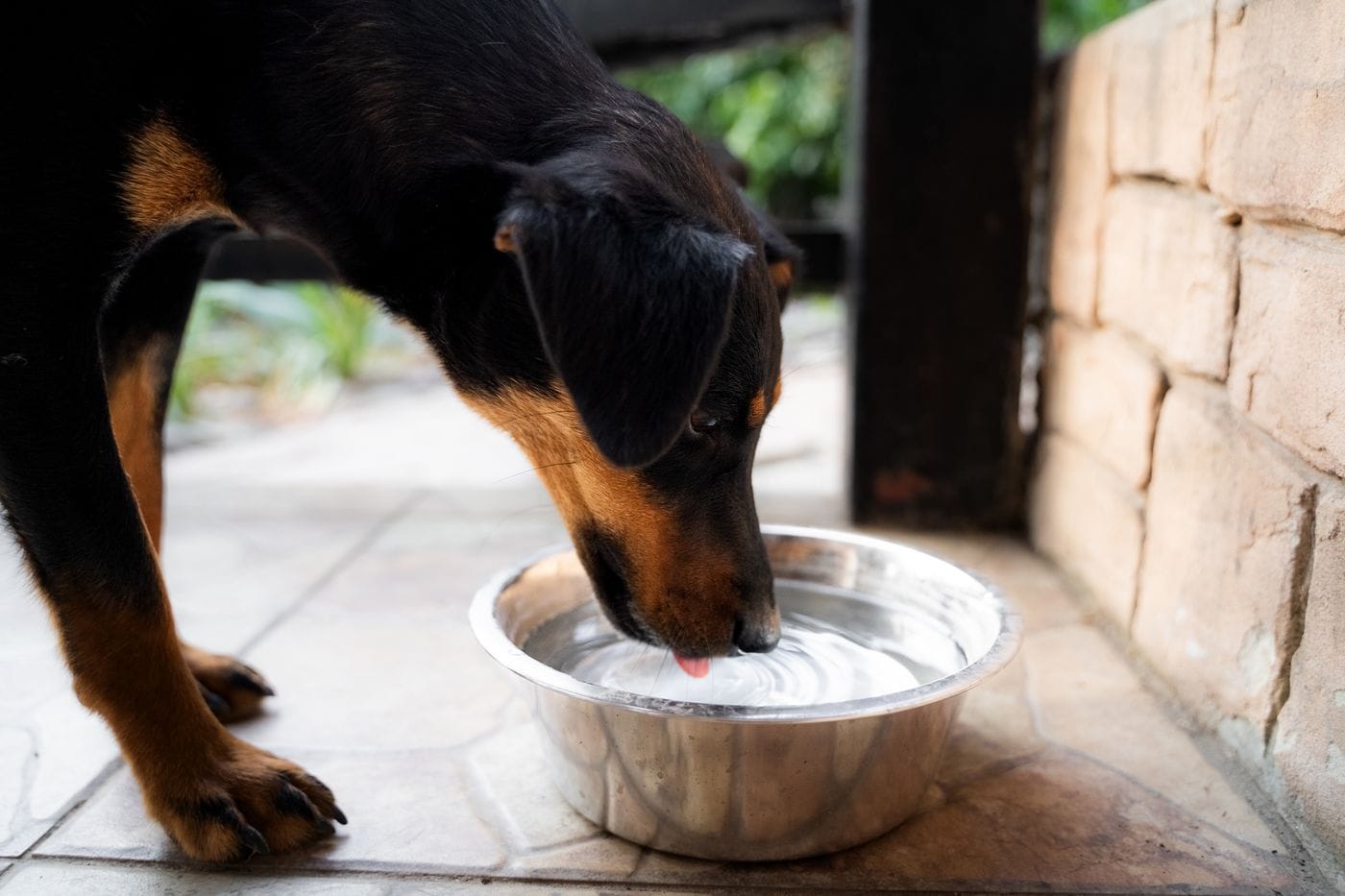
Move the animal to shade or air conditioning immediately. Apply cool — not cold — water to their ears, belly, and paw pads. Do not submerge them in ice water, which can cause shock. Let them drink small amounts of cool water. Stop cooling when their temperature drops to 103°F. Get them to a veterinarian as quickly as possible — heatstroke causes cascading organ damage that may not be visible from the outside.
The 2026 summer is shaping up to be among the most severe on record. The combination of intensity, duration, and warm overnight temperatures puts pets at elevated risk for longer stretches than most summers. Keep walks short and well-timed, keep water fresh and cold, and keep flat-faced and elderly pets indoors. This week especially.














