
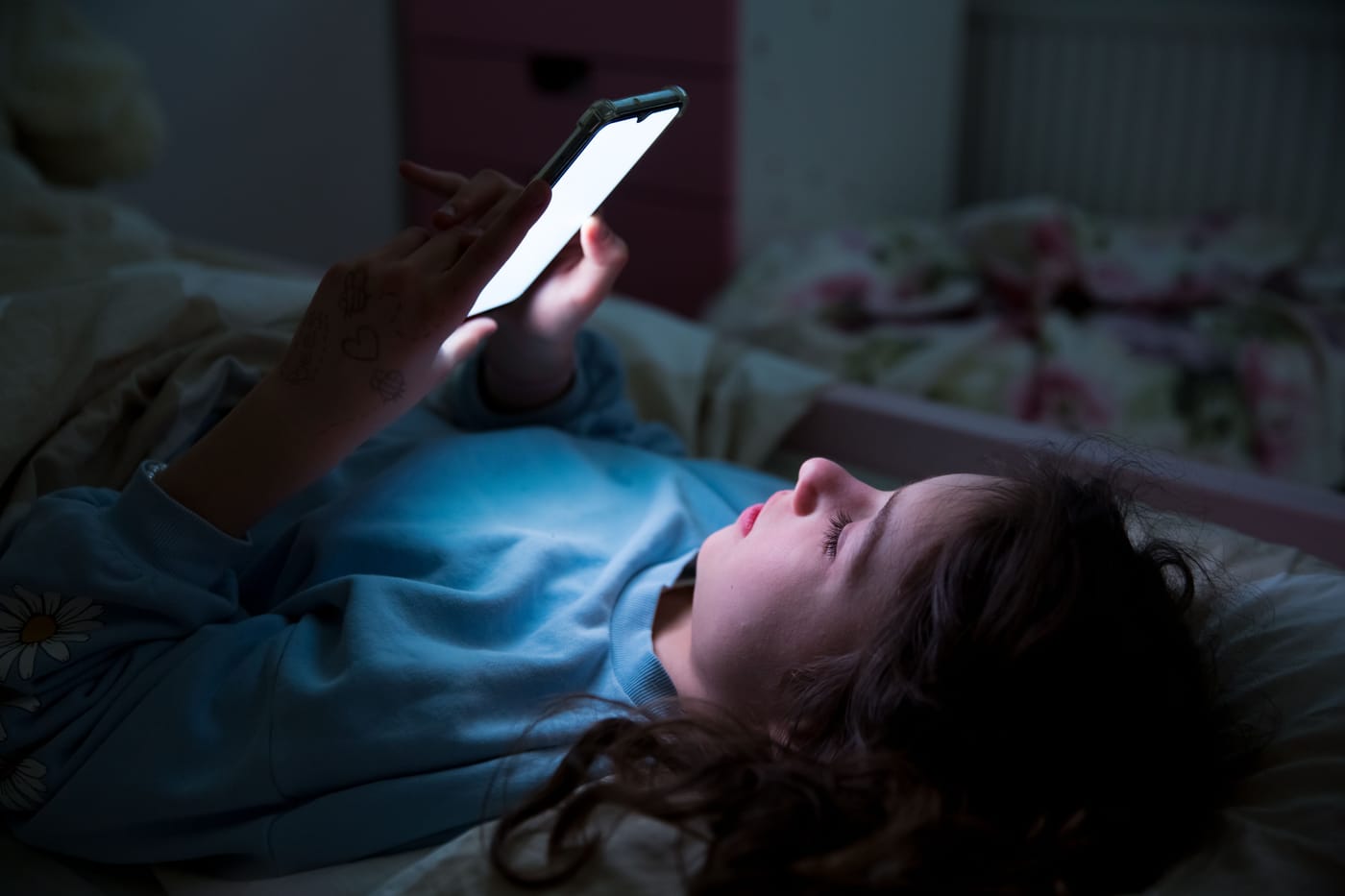
A new study published in JAMA Pediatrics tracked the actual phone activity of 657 teenagers during school nights — not surveys, not self-reports, but passive sensor data logging every app opened in real time. What it found is harder to dismiss than any poll: more than half of them used their phones between midnight and 4am at least once during the study period. On average, teens spent 50 minutes on their phones every school night between 10pm and 6am.
The researchers called it a displacement problem. Every minute spent scrolling at 1am is a minute of sleep that doesn't happen.
50 Minutes a Night, Every School Night
The 50-minute average is the headline number, but the midnight-to-4am figure is the one worth sitting with. That window — the hours when the body runs its deepest and most restorative sleep cycles — is supposed to be completely offline. For 52% of the teens studied, it wasn't.
Among those using phones in that window, the mean overnight use was 23.7 minutes. Seventeen percent reported being woken by notifications at least once per night. Twenty percent used their phone after waking during those hours. This isn't just staying up late — it's active disruption of sleep that would otherwise be happening.
Why Midnight to 4am Is the Wrong Window
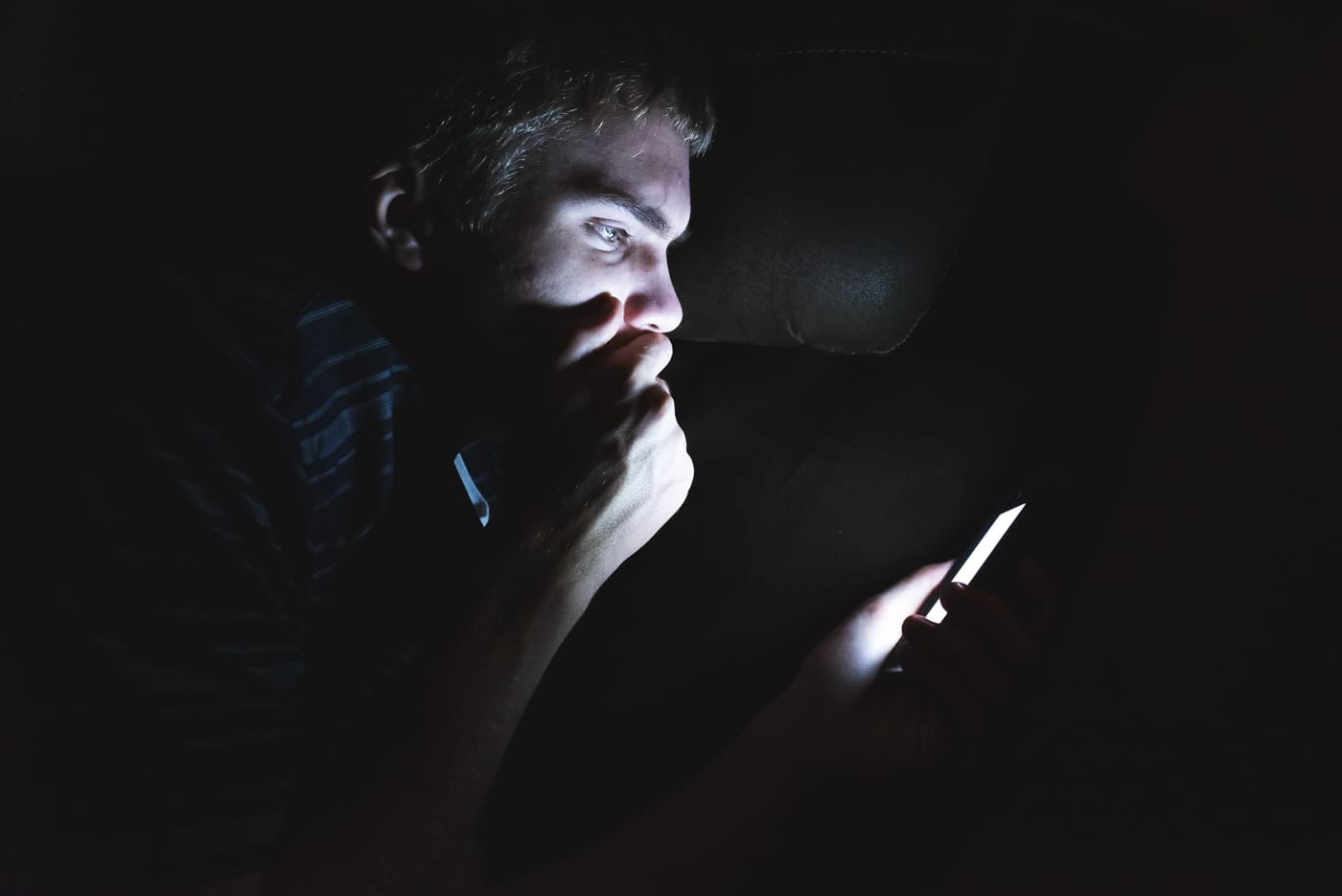
Sleep isn't uniform across the night. The hours between midnight and 4am are dominated by slow-wave sleep — the stage most responsible for physical recovery, memory consolidation, and immune function. It's also when the body clears metabolic waste from the brain, a process researchers have linked to long-term cognitive health.
Interrupting that window consistently — even briefly — disrupts the architecture of the whole night's sleep. Dr. Mary Carskadon, a professor of psychiatry and human behavior at Brown University and one of the leading sleep researchers in the country, put it plainly: "By displacing the opportunity to sleep, it can be challenging for teens to get adequate sleep, and that has downstream impact on their waking behavior, as we've known for many, many years."
The study itself stops short of establishing direct causation between nighttime phone use and specific negative outcomes. But a substantial body of prior research has already drawn the connections between adolescent sleep deprivation and academic performance, mental health, and emotional regulation.
YouTube, Instagram, TikTok — In That Order
The passive sensing data captured what teens were actually doing during those hours. Social media dominated, with YouTube the most-used platform, followed by Instagram and TikTok. The pattern makes sense algorithmically: each of these platforms is engineered to produce one more video, one more post, one more notification. The design doesn't change at midnight.
What the data adds to that picture is precision. These aren't kids who fell asleep with the TV on. This is deliberate, active use — app selection, scrolling, engagement — during the hours the brain most needs to be offline.
The Top Predictor Has Nothing to Do With the Teenager
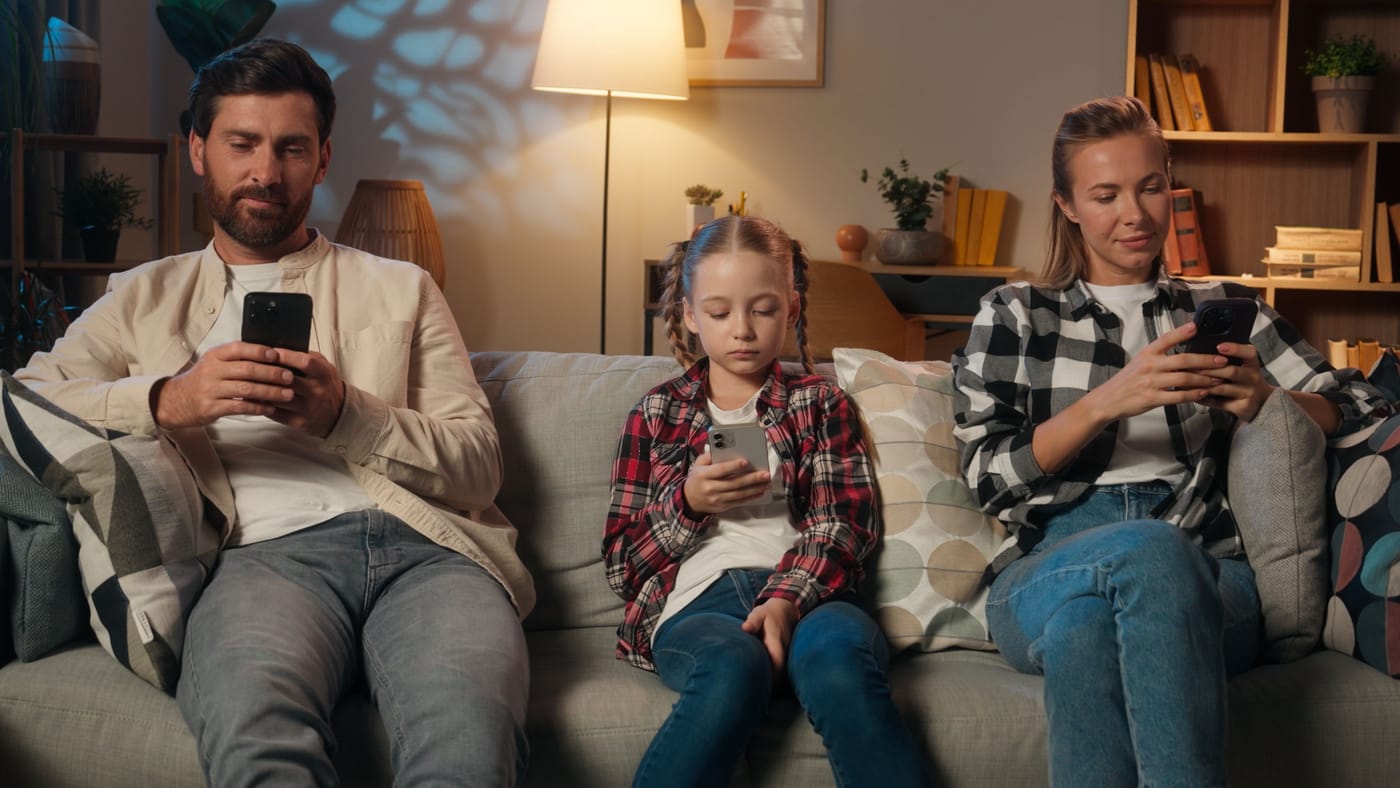
The study's most actionable finding isn't about teenagers at all. Dr. Jason Nagata, the UCSF physician who led the research, noted that one of the strongest predictors of how much a teenager uses their phone at night is how much the adults in their household use their own phones.
"One of the top predictors of teenagers' screen use is actually their parents' screen use," Nagata said. The implication extends beyond any one household: the phone habits that adults have normalized over the past decade — checking messages after midnight, falling asleep with a screen — have become the template for the generation that grew up watching them do it.
The recommendation from the American Academy of Pediatrics isn't more monitoring software. It's a household media plan where the expectations apply to everyone equally. That's a harder ask than a screen-time limit — which is probably why it's the one that works.














