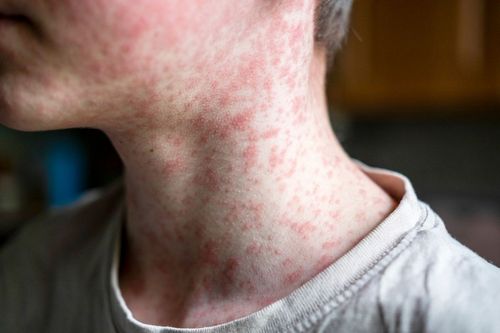
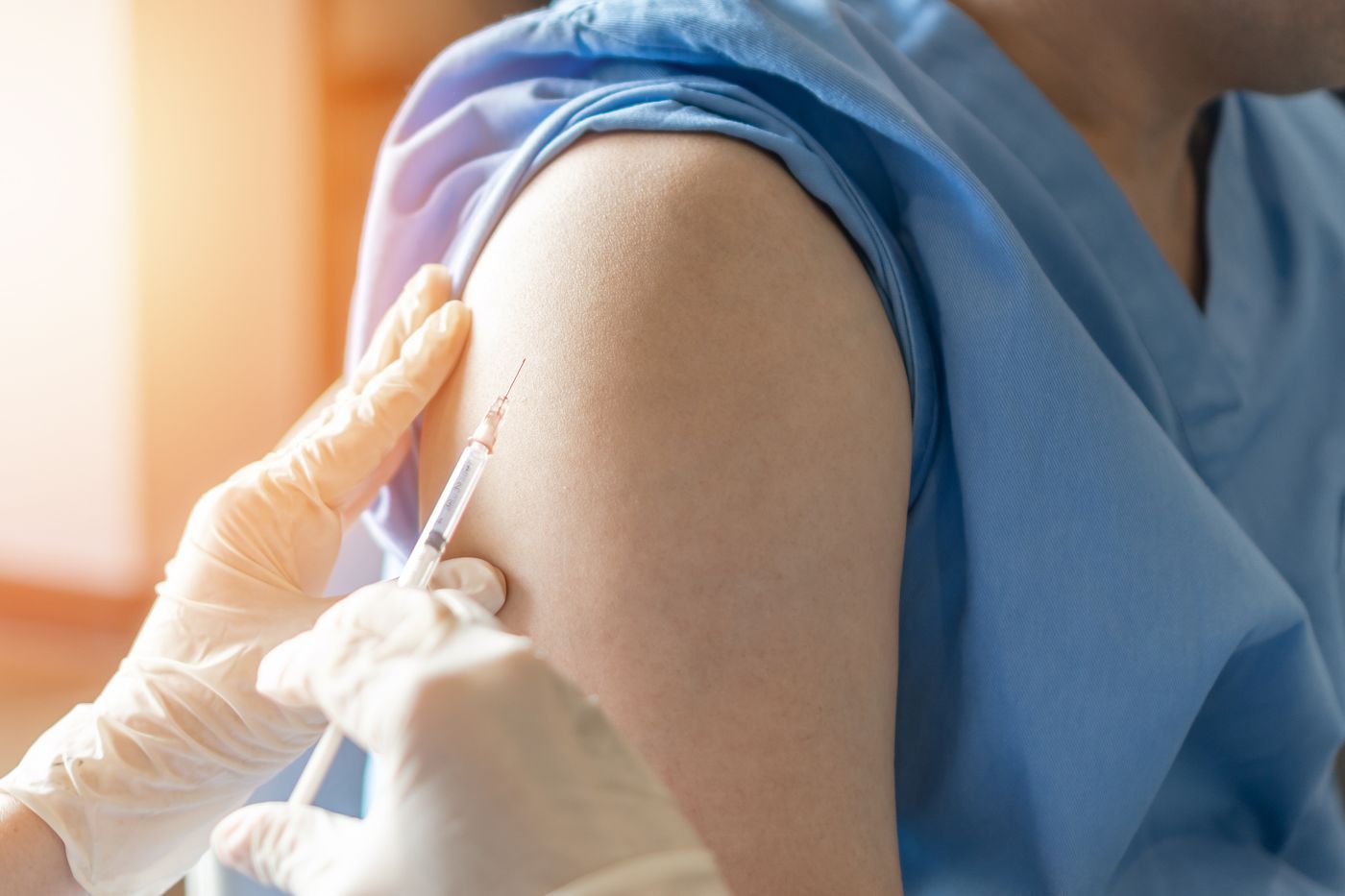
The Shingrix shingles vaccine was approved in 2017. It prevents shingles — the painful rash caused by the reactivation of the varicella-zoster virus that previously caused chickenpox. That's what it was designed to do.
A new study of more than 500,000 people found it may also be doing something else: protecting the brain against dementia.
Researchers at Brown University analyzed Medicare data and health records from adults aged 66 and older who were admitted to skilled nursing facilities between 2017 and 2022. They compared patients who received at least one dose of Shingrix with those who remained unvaccinated. After four years of follow-up, vaccinated adults were significantly less likely to have received a dementia diagnosis.
The difference: 24 percent. Dementia developed in 18.8% of vaccinated participants, compared with 24.6% of those who were not vaccinated. The researchers estimate this translates to roughly one dementia case prevented for every 17 people vaccinated, according to the study published in the Annals of Internal Medicine.
Why the Shingles Vaccine Might Protect Against Dementia
The finding raises an obvious question: why would a vaccine designed to prevent a skin rash have any effect on dementia at all?
The answer lies in the virus itself. Varicella-zoster — the herpes virus that causes both chickenpox and shingles — doesn't leave the body after a first infection. It retreats into nerve cells and stays there, dormant, potentially for decades. When the immune system weakens with age, the virus can reactivate, causing shingles.
What researchers have been investigating is whether this dormant virus might be doing something to the brain even when it hasn't fully reactivated. Several studies have found associations between herpes virus infections and an elevated risk of Alzheimer's disease and other dementias. One hypothesis: the varicella-zoster virus, even in its dormant state, may contribute to neuroinflammation — the chronic low-grade brain inflammation increasingly associated with dementia risk.
If that hypothesis is correct, preventing the virus from reactivating — which is what Shingrix does, with about 90% effectiveness — might reduce its ability to drive that neuroinflammatory process. The vaccine wouldn't be treating dementia directly. It would be removing one of the possible contributing triggers.
What the Study Can and Can't Show
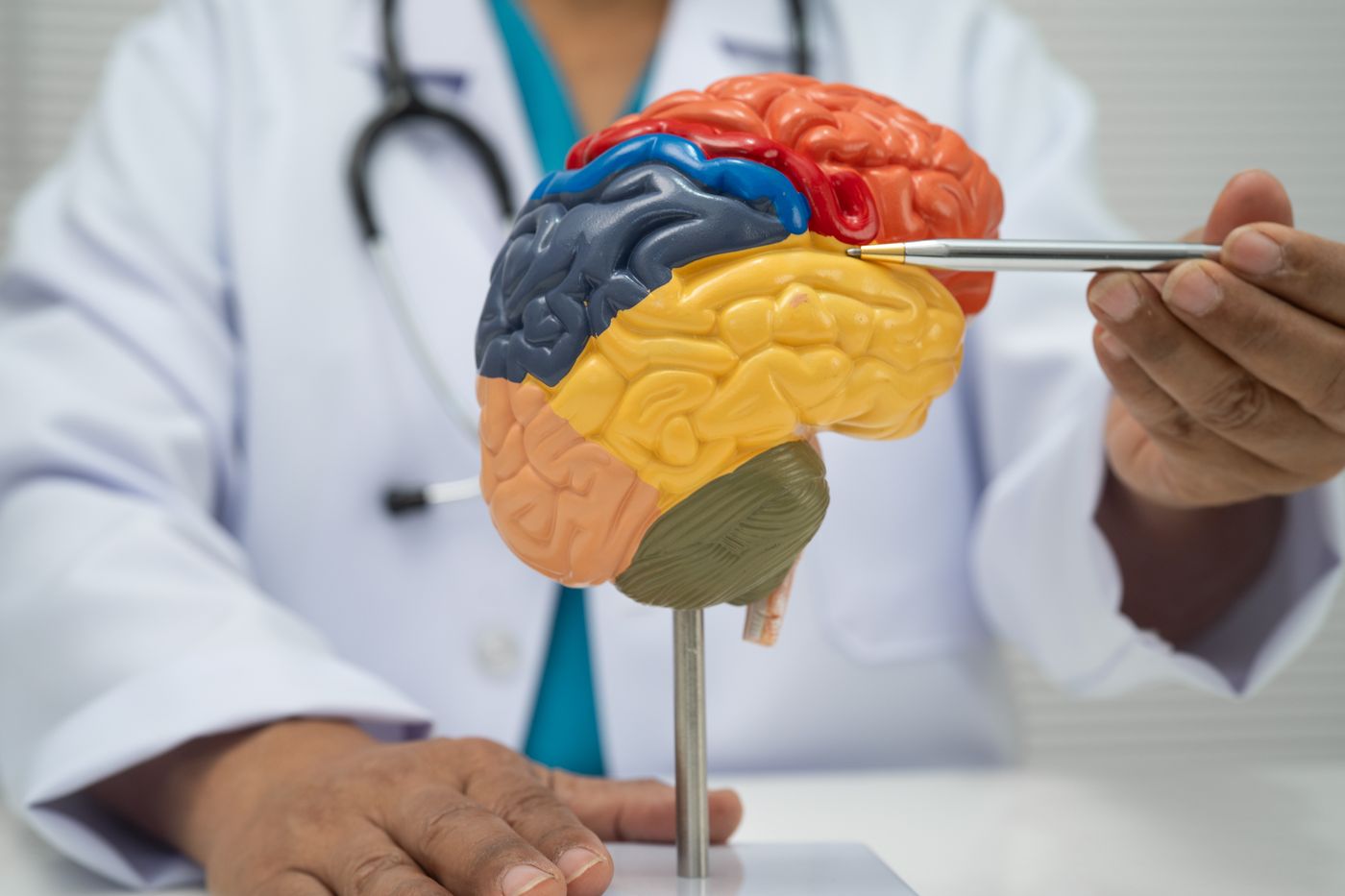
The Brown University researchers are careful about the limits of their findings, published in the Annals of Internal Medicine. This is an observational study, not a randomized controlled trial, which means it can establish an association but cannot prove direct causation.
People who received the vaccine were, on average, slightly younger and healthier than those who didn't — differences the researchers adjusted for statistically, finding the adjustments didn't fully explain the observed association. But some residual confounding is possible.
"This translates to about one in 17 dementia cases potentially being prevented," said study author Kaley Hayes, assistant professor at Brown's School of Public Health. "Additional research, including clinical trials, will be needed to establish whether shingles vaccination directly reduces the risk of developing dementia."
That research is underway. The current study adds to a body of evidence that has been building since a 2023 natural experiment in Wales — where a quirk of the vaccine rollout timeline gave researchers an accidental control group — found similar protective effects from an earlier shingles vaccine.
This Isn't the First Time This Finding Has Appeared
The Brown University study is notable for specifically examining Shingrix — the newer, more effective vaccine — in a vulnerable population. But the association between shingles vaccination and reduced dementia risk has now appeared in multiple independent studies across different countries, using different vaccines and different study designs.
The consistency matters. Individual studies can be wrong for many reasons. When the same signal appears repeatedly, across different populations and methodologies, the signal becomes harder to dismiss.
"It fits into this large puzzle that's just starting to come together," Hayes said. "The vaccines are effective at preventing shingles and also appear to have neuroprotective benefits as well."
What This Means If You're Over 50
Shingrix is currently recommended by the CDC for all adults 50 and older, in two doses given two to six months apart. It is highly effective — about 90% protective against shingles — and the protection appears to be durable, holding up well past five years in follow-up studies.
If you or someone you know is over 50 and hasn't received Shingrix, the existing case for getting it — based on shingles prevention alone — is already strong. A shingles case can be severely painful, can cause lasting nerve pain called postherpetic neuralgia, and can, in some cases, affect vision or cause hearing loss.
The possible dementia protection, if it holds up in further research, would make the case stronger still. It would mean a vaccine already covered by most insurance plans, already available at most pharmacies, and already recommended for this age group, might be doing something beyond what was on the label.
"Our cognition is so tied to our overall health and what happens to us physically," Hayes said. "It's really amazing to see that something that's supposed to prevent a physical ailment can also help keep our brain healthy, too."