
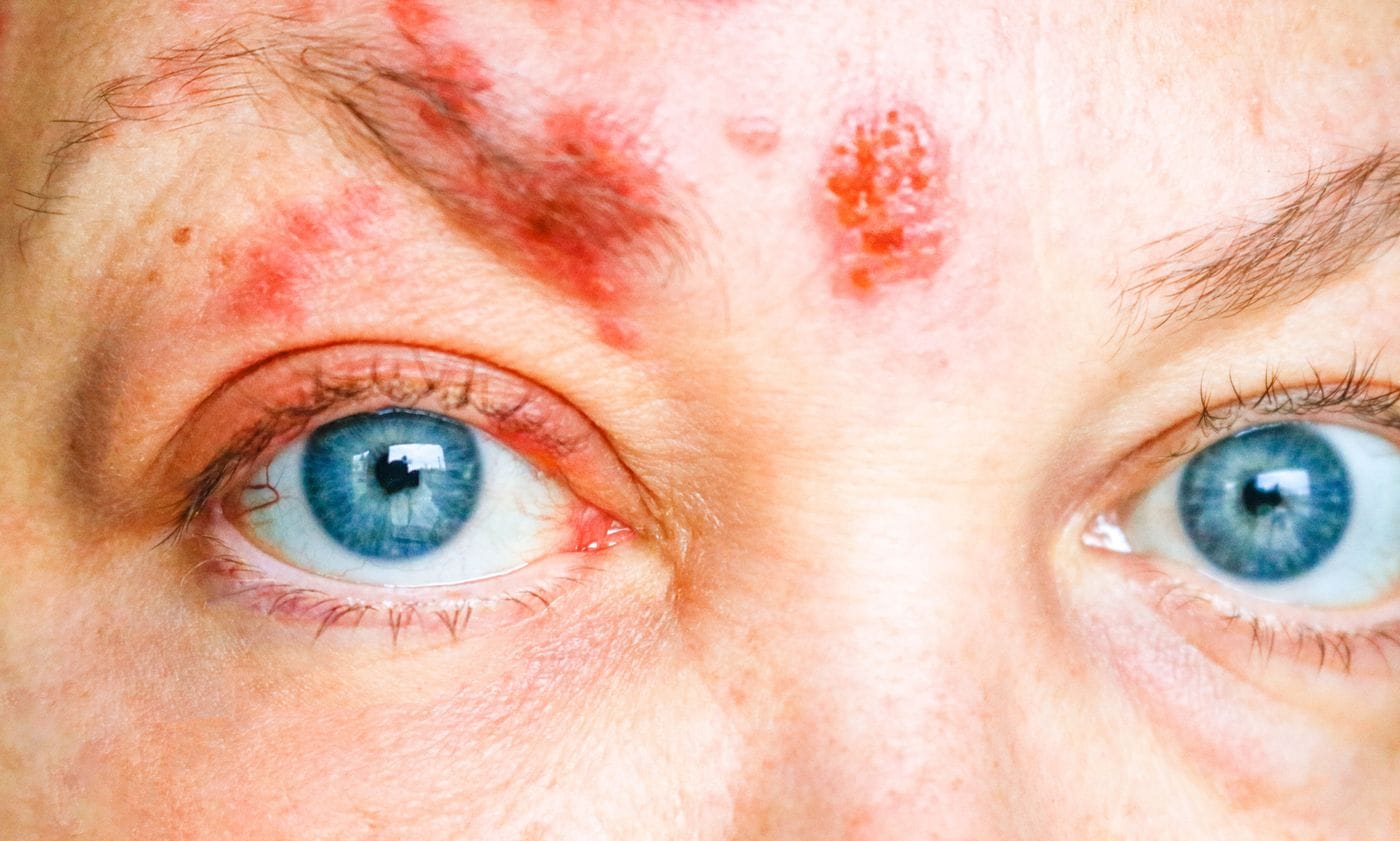
Shingles has a reputation problem. Most people associate it with elderly relatives — a painful rash, a bother, something for the over-65 crowd. That reputation is no longer accurate, and doctors are seeing the consequences.
Justin Bieber developed shingles at 27 as part of Ramsay Hunt syndrome — a more severe form of the infection that caused temporary facial paralysis. Gwyneth Paltrow got it in her 30s and publicly linked it to high stress and overworking. Victor Wembanyama, an NBA player in peak physical condition, developed it at 20. These aren't anomalies. They're signals of a shift that's been underway for years and that the 35-55 demographic hasn't fully absorbed.
The Virus That's Been Waiting in Your Nerves
Shingles is caused by the varicella-zoster virus — the same virus that causes chickenpox. After you recover from chickenpox, the virus doesn't leave your body. It travels to nerve cells and lies dormant, potentially for decades. About one in three Americans will develop shingles at some point in their lifetime, according to the CDC.
The trigger isn't age itself — it's a weakening of the immune response that normally keeps the dormant virus suppressed. As the immune system naturally loses some of its vigilance over time, particularly after 50, the virus finds an opening to reactivate. That's why shingles has historically been associated with older adults.
What's changing is the trigger profile. Chronic stress — sustained, unresolved, physiological stress — has the same immunosuppressive effect as aging. So does sleep deprivation. So does physical exhaustion, severe illness, certain medications, and a growing list of conditions that compromise immune function at younger ages.
Why Stress Is the Modern Trigger
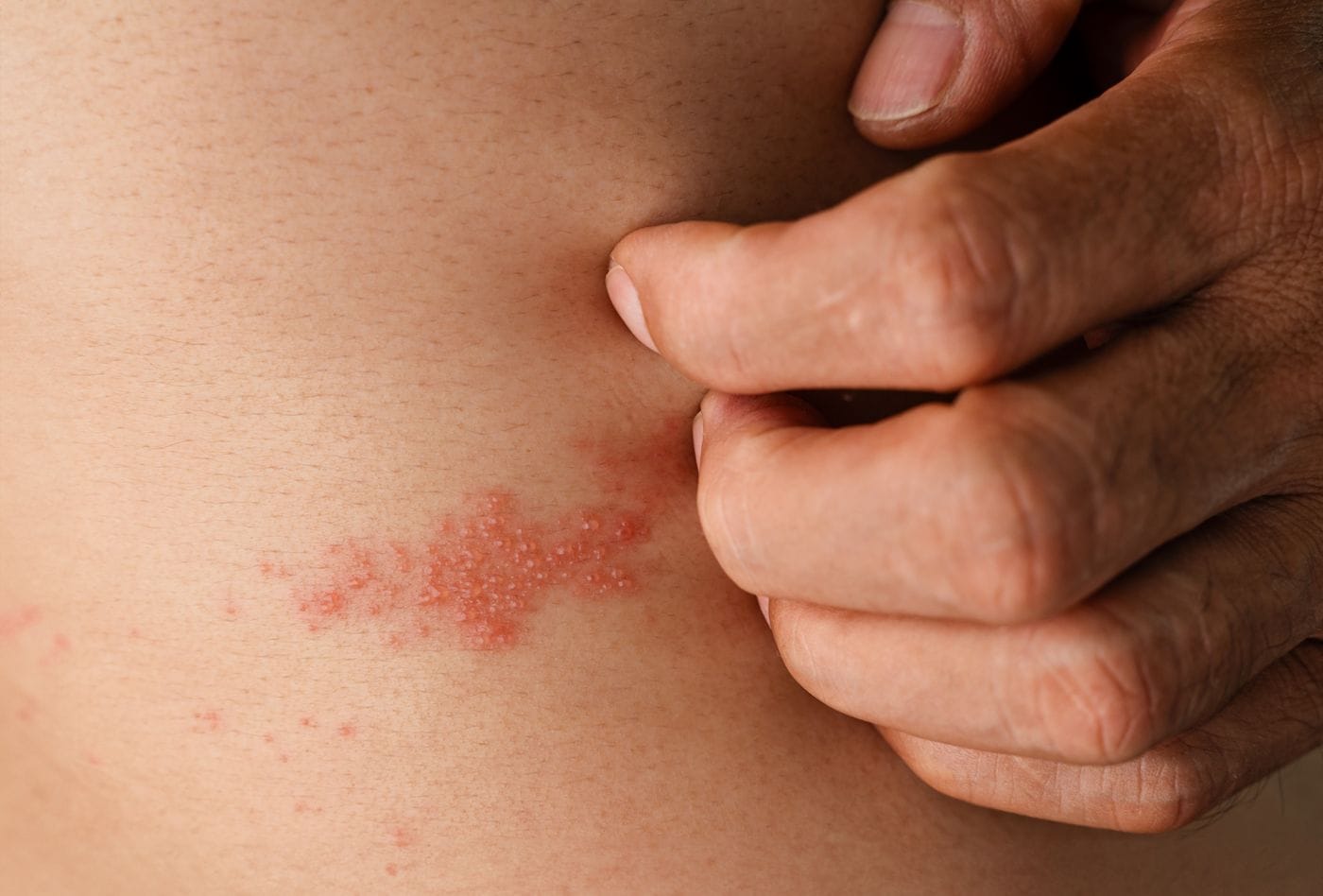
The mechanism is not metaphorical. Chronic psychological stress activates the body's cortisol system, which suppresses certain immune functions including the T-cell responses that keep latent viral infections dormant. When that surveillance weakens, even temporarily, the varicella-zoster virus can reactivate.
"Getting shingles in your 30s can happen when your immune system is temporarily weakened," notes Healthline's clinical review. "Common triggers include emotional stress, lack of sleep, recent illness, or physical exhaustion — even if you are otherwise healthy."
The shingles rash follows the path of a specific nerve, typically appearing as a painful band of blisters on one side of the torso, face, or limb. Before the rash emerges, most people experience several days of burning, tingling, or stabbing pain in the same area — often before they or their doctor think to suspect shingles. Early antiviral treatment significantly reduces severity and lowers the risk of the infection's most feared complication.
The Complication Most People Don't Know About
That complication is postherpetic neuralgia — nerve pain that persists after the rash has healed, sometimes for months, sometimes for years. It develops in roughly 10 to 15% of shingles cases and is significantly more common and more severe in older patients. In younger adults, the acute illness tends to be milder — but "milder" is relative.
A less recognized complication is ocular shingles: when the virus reactivates in nerves near the eye, it can cause inflammation, scarring, and in some cases permanent vision loss — a risk that exists regardless of age if the right nerve is affected.
What to Know About the Vaccine
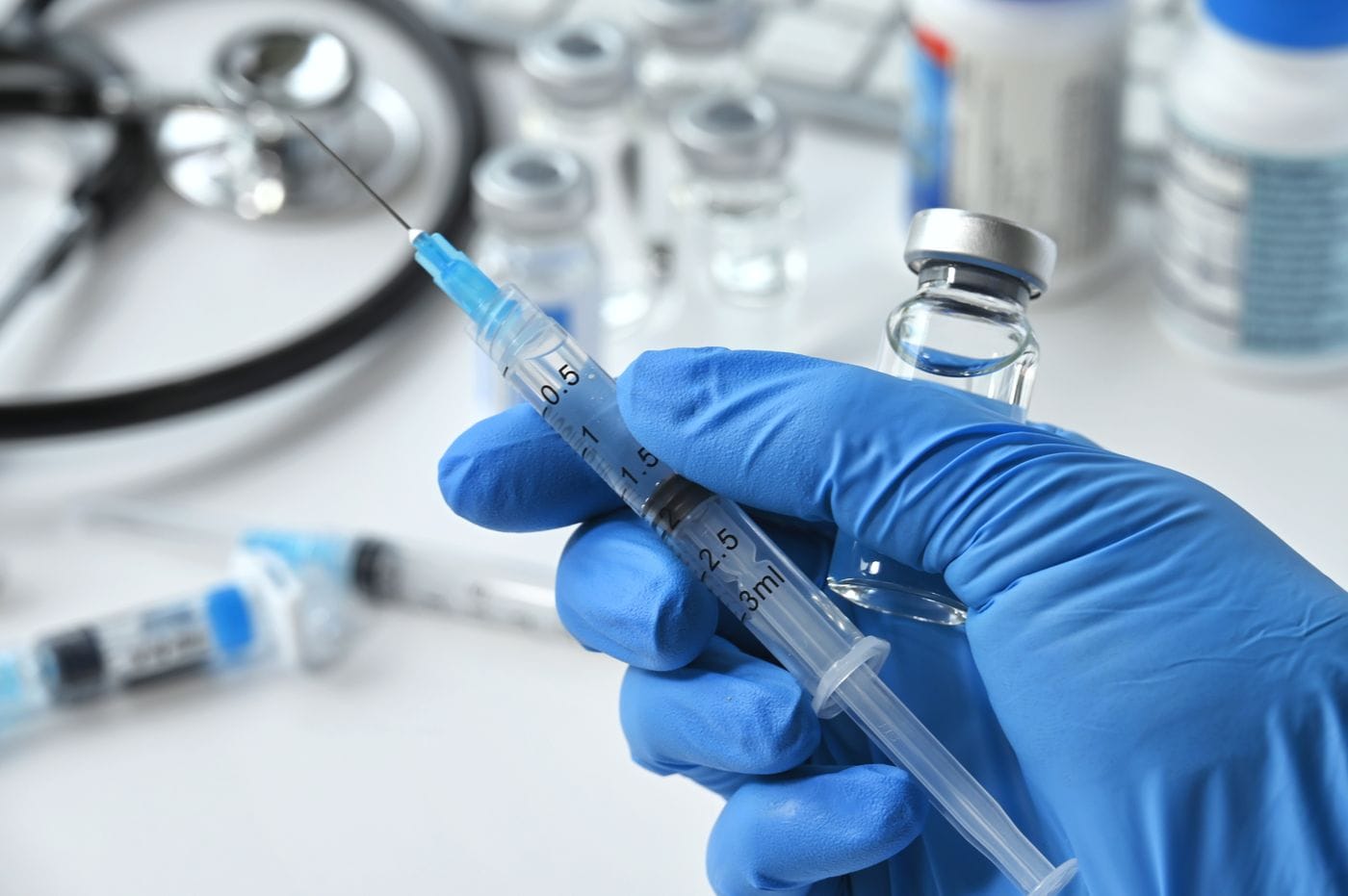
Shingrix, the two-dose shingles vaccine, is currently recommended by the CDC for all adults aged 50 and older. Its effectiveness is 90% or higher at preventing shingles in the recommended age group.
A 2023 study published in CIDRAP found that adults in their 40s with chronic conditions — kidney disease, inflammatory conditions, diabetes, immune-suppressing medications — face shingles risks comparable to otherwise healthy adults in their 50s. Researchers called for reconsidering the vaccination age threshold for people with these risk factors.
If you're 40 to 49 with one or more chronic conditions, the conversation about Shingrix is worth having with your doctor before you turn 50. The current guidelines are conservative; the underlying biology is not.
For anyone — at any age — the practical guidance is to recognize the early warning signs. Several days of burning or tingling pain on one side of the body, before any rash appears, is worth a same-day call to your doctor. Antiviral medications work best in the first 72 hours after the rash emerges.














