
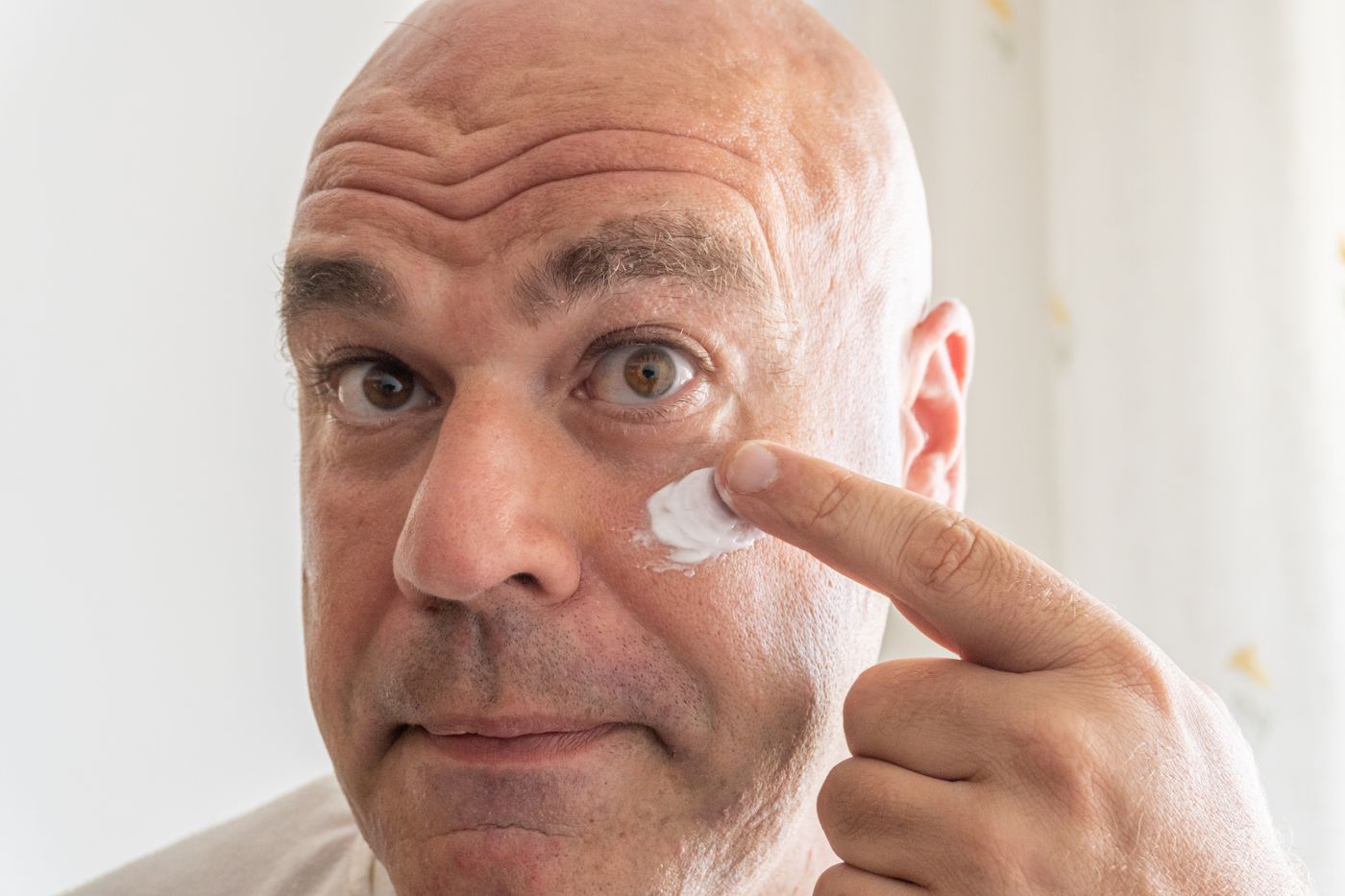
A rare hair loss condition is rising sharply — and dermatologists have found themselves drawn, repeatedly and reluctantly, to the same potential suspect. A condition called frontal fibrosing alopecia, which causes progressive hair loss at the front of the scalp and affects primarily postmenopausal women, has been increasing for two decades in Europe and the United States. Researchers looking for environmental triggers have found a consistent signal: the affected individuals tend to use more facial moisturizer and sunscreen than those without the condition.
Scientists are genuinely puzzled. They cannot prove the connection. And in an unusual methodological bind, they may never be able to.
What FFA Is and Why It's Rising
Frontal fibrosing alopecia is a form of scarring alopecia — a category of hair loss where follicles are permanently damaged by inflammation and replaced with scar tissue. Unlike androgenetic alopecia (common pattern baldness), which is diffuse and driven by hormones, FFA produces a distinctive recession of the hairline at the front and sides of the scalp. Eyebrows are often affected too.
The condition was first described in 1994. For the following three decades, cases increased steadily and sharply — with researchers in Europe and the US documenting a rise that doesn't appear to have a simple explanation. Genetic and hormonal factors are involved, but genetics can't account for rising rates in the same populations. Something environmental appears to be contributing.
The Moisturizer and Sunscreen Signal
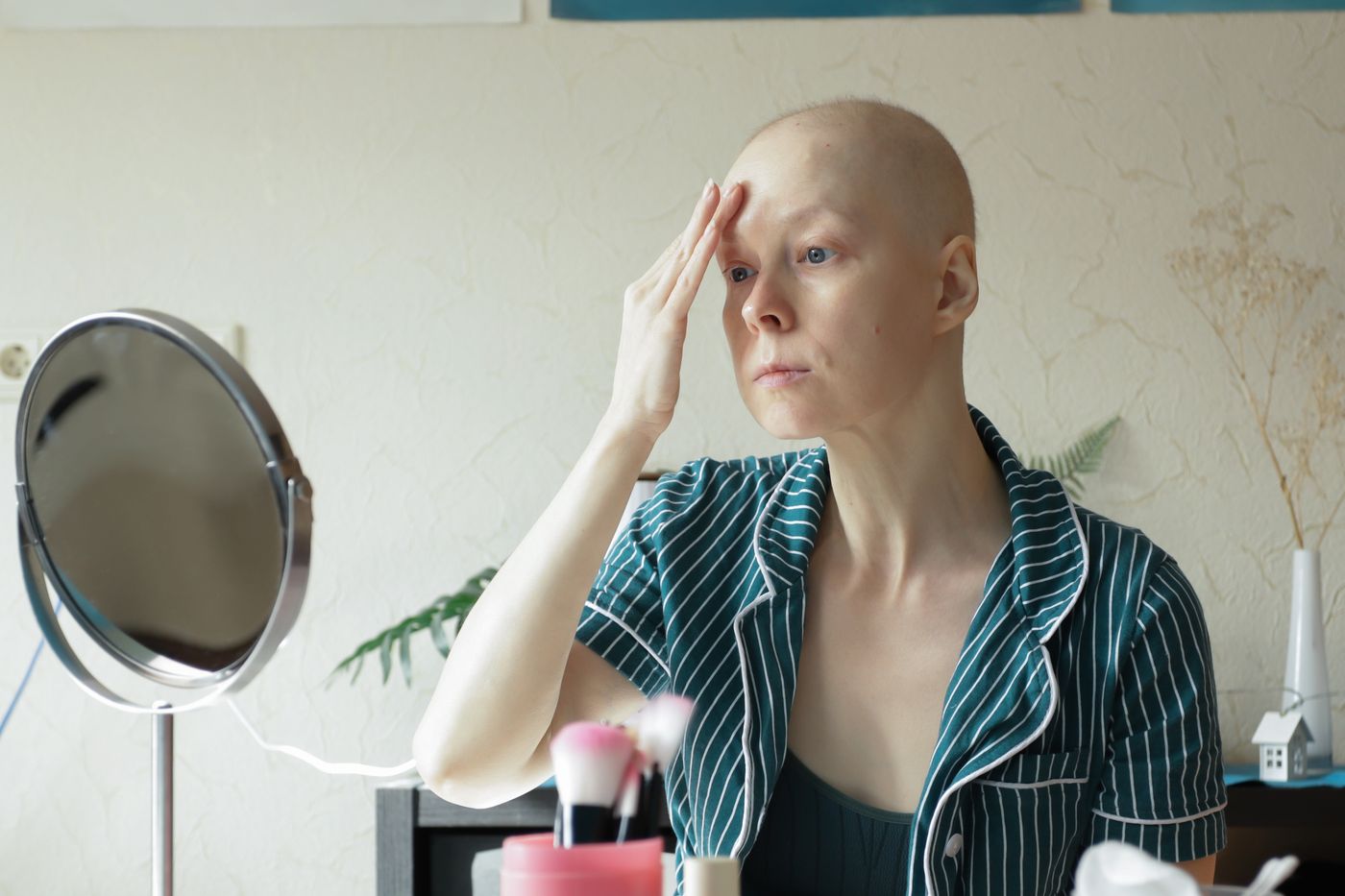
A 2023 review paper synthesizing data from nine separate studies found a consistent association between FFA and the use of facial skincare products, particularly leave-on products like moisturizer and sunscreen.
In one UK study, 100 women with FFA reported significantly higher sunscreen use than 105 women without hair loss. In a second UK study, sunscreen use was elevated in 17 men with FFA compared to 73 men without the condition. A 2021 Thai study of 250 women found similar results: those with FFA used significantly more moisturizer and sunscreen than the control group.
The proposed mechanism: certain ingredients in leave-on products may penetrate the skin around hair follicles and trigger an immune response, gradually damaging the follicles over time. Dermatologists who've investigated the connection note that FFA first appears at the hairline — exactly the area most exposed to facial products applied to the forehead and temples.
Why Scientists Can't Prove It
The studies finding this association are compelling in pattern but limited in design. Surveys ask people with FFA and people without it what products they use. This can identify a correlation but cannot establish cause and effect.
There are plausible alternative explanations. People who notice early hair thinning may become more attentive to their appearance and begin using more skincare products — meaning the hair loss comes first, not the moisturizer. Higher sunscreen use could also simply reflect more time spent outdoors, meaning sun exposure itself is the variable, not the product.
The definitive study would randomly assign people without FFA to use moisturizer and sunscreen heavily, moderately, or not at all, and track outcomes over years. This is the study that hasn't been done — and may never be. If the products genuinely damage hairlines, randomly assigning people to use them would be ethically problematic.
What to Do With This Information

For now, most dermatologists are not recommending that people stop using sunscreen. The protection it provides against skin cancer is well-established and significant. The FFA link remains unproven, and the British Association of Dermatologists notes that the cause of the condition remains officially unknown, with genetics, immune function, and hormonal changes all considered factors.
What the research does suggest: if you've noticed changes to your hairline, particularly at the front of the scalp, it's worth discussing the timeline of those changes with a dermatologist — including when you began regular use of facial leave-on products. The connection may not be causal. But the pattern has appeared in enough independent studies that it's no longer something researchers are dismissing.














