

The proteinmaxxing trend has a clean premise: protein builds muscle, therefore more protein builds more muscle, therefore optimizing your protein intake is optimizing your physique. GQ sent a writer to live this premise as literally as possible — consuming the extreme protein quantities that circulate on TikTok and fitness forums — and document what actually happened to his body. The results were not what the algorithm promises.
What Proteinmaxxing Actually Is
Proteinmaxxing is the nutritional extension of the maxxing trend — applying the "optimize everything" logic of looksmaxxing and fibermaxxing to protein consumption specifically. It involves consuming protein quantities significantly above standard recommendations, often ranging from 200 to 300 grams per day or more, with the goal of maximizing muscle synthesis, satiety, and metabolic rate.
The standard recommendation for an adult who doesn't exercise strenuously is about 0.8 grams of protein per kilogram of body weight per day. For someone actively strength training, that rises to 1.2 to 1.6 grams per kilogram. A 150-pound person under the higher guideline needs roughly 80 to 110 grams of protein daily.
Proteinmaxxers are typically consuming two to three times that amount. This is where the science starts to complicate the pitch.
The Math Nobody Does
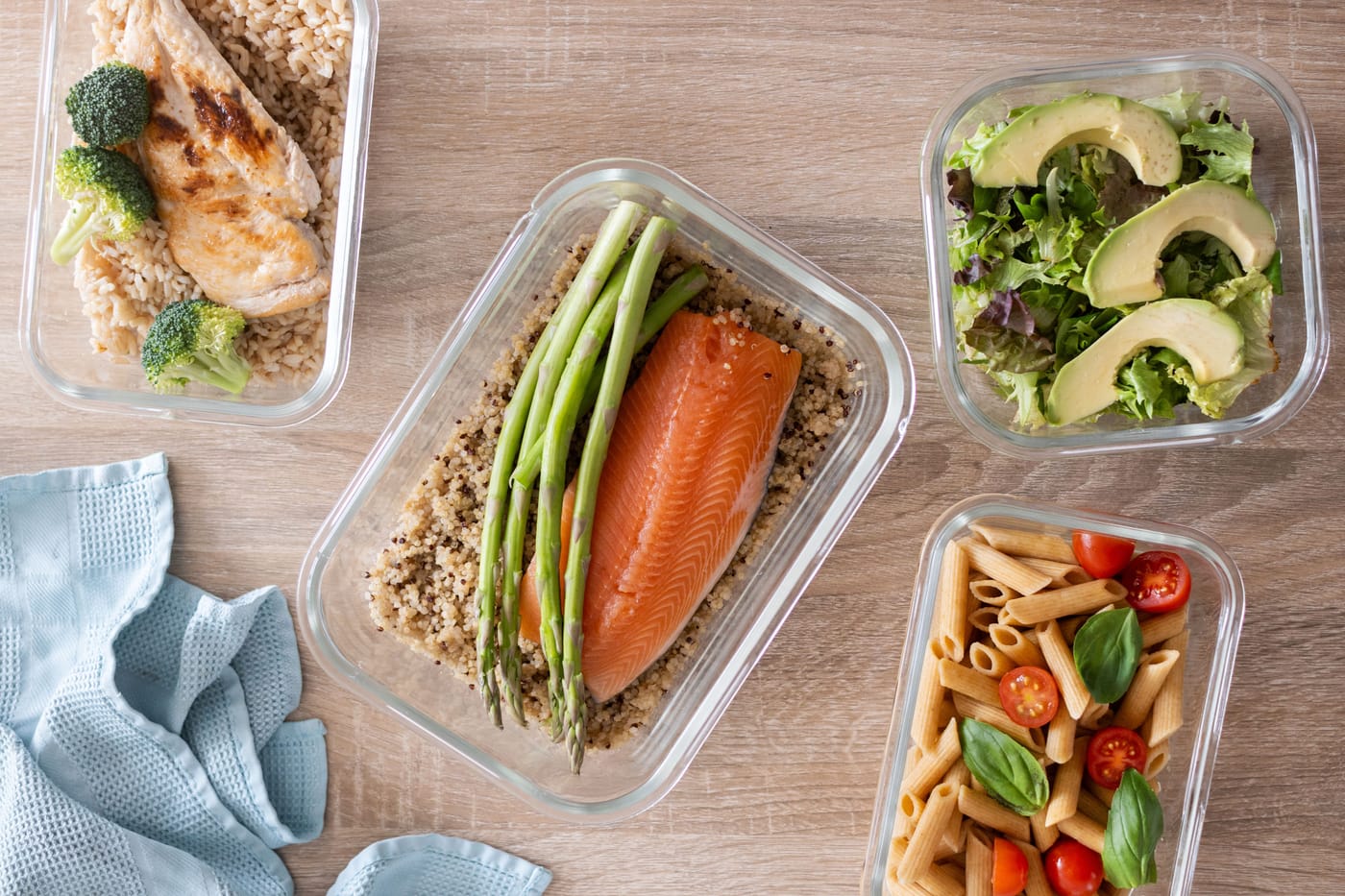
The core promise of proteinmaxxing — that more protein means more muscle — runs into a biological ceiling. "Our bodies can only utilize protein when it needs to be utilized," says Dr. Angela Graham, a registered dietitian. "If we're intaking too much, what's eventually going to happen is that protein can be converted into storage forms. We can actually convert it into glucose to use for energy. And at that point it can also be converted into fat."
In other words: after you've met your actual protein requirement, additional protein doesn't build additional muscle. It becomes calories. The American Medical Association's review of proteinmaxxing is direct on this point — more is not more. Benefits from protein occur within a specific range and plateau there, regardless of how much further you push.
What Happens When You Go Too Far
The side effects of sustained extreme protein intake are real and specific. The kidneys, which filter nitrogen from protein metabolism, face increased workload under high protein conditions. This manifests as increased thirst and urination as the body works to flush nitrogen out — a subtle but consistent symptom that many proteinmaxxers attribute to other causes.
Digestive disruption is nearly universal at extreme intake levels: gas, bloating, constipation or diarrhea depending on protein sources. Foul-smelling breath is a documented symptom of high protein metabolism — a byproduct of ammonia production during amino acid processing.
At the extreme end, there is a condition called protein poisoning — also known as rabbit starvation — that occurs when protein intake drastically outpaces fat and carbohydrate intake. The result is a buildup of ammonia, urea, and amino acids in the blood, producing fatigue, nausea, headache, mood changes, and weakness. It's rare, but it's documented.
The subtler version is simply consuming significantly more calories than your body requires, in a form that feels virtuous because it's protein. Weight gain from proteinmaxxing is underreported but real.
Where More Stops Helping
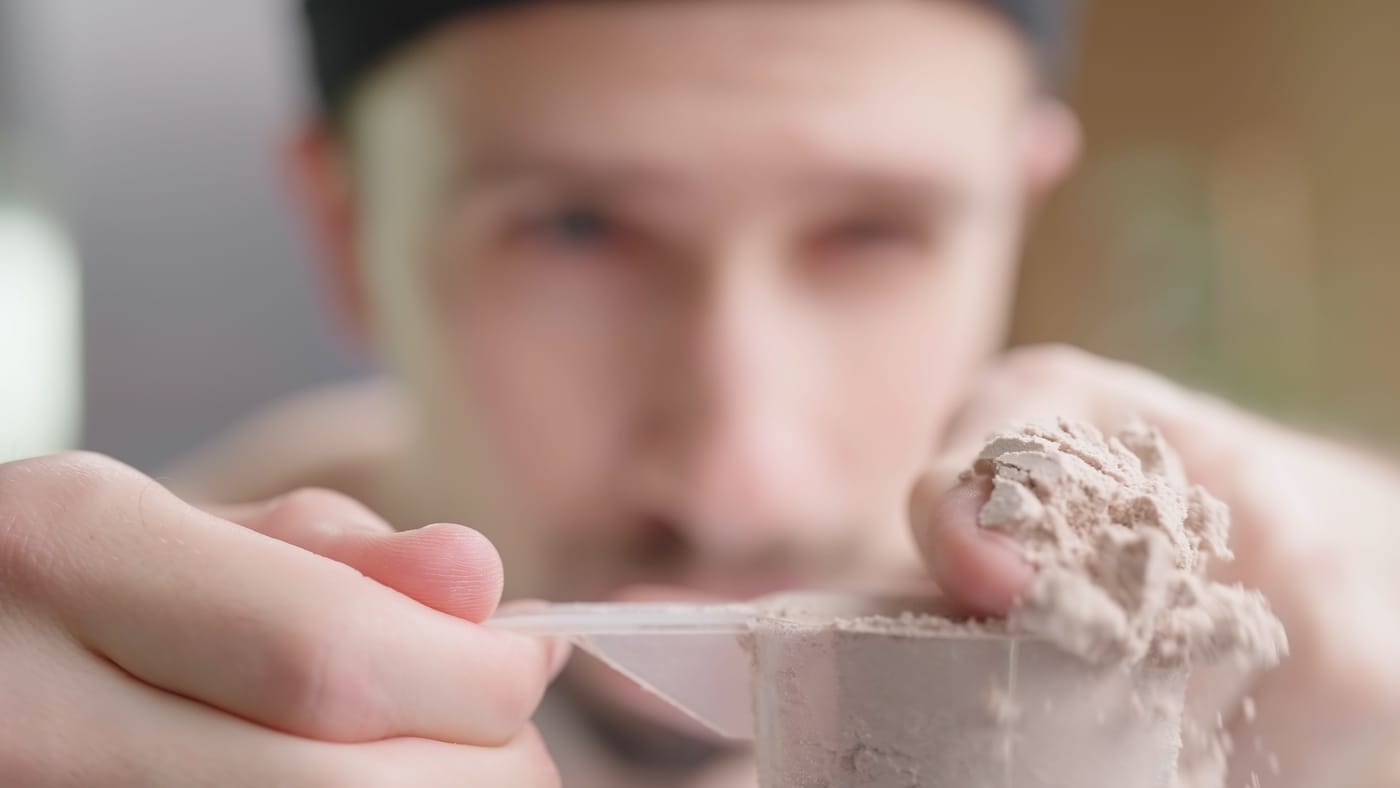
Kurt Hong, clinical professor of medicine and gerontology at USC, summarizes the case for protein accurately: "Better satiety, improved weight loss, preserved muscle mass and improved metabolic markers — but only when paired with regular strength training."
That last clause matters. Protein builds and repairs muscle in response to the mechanical stress of exercise. Without the strength training stimulus, additional protein has nothing meaningful to do.
Most people in the US already consume adequate protein without deliberate effort. The case for the average person to dramatically increase their intake — let alone to triple it — is weak. The case for doing so without proportional exercise is weaker still. Proteinmaxxing is not wrong about protein's importance. It's wrong about the relationship between more and better.














