

Norovirus is a winter illness. It peaks between November and April, typically fading as temperatures rise. What's happening right now doesn't follow that pattern.
Wastewater surveillance across the United States still shows norovirus at "high" levels heading into June, according to CDC tracking data. Dozens of hikers on the Pacific Crest Trail near Wrightwood, California were recently sickened in an active outbreak, with at least one requiring air rescue. The total outbreak count from August 2025 through early May 2026 reached 1,194 — consistent with historical averages, but with one significant change that explains why the virus is behaving differently this year.
A New Dominant Strain After 30 Years
For more than three decades, a strain called GII.4 was responsible for the majority of norovirus outbreaks in the United States. That has changed. The strain now driving roughly 75% of US outbreaks is GII.17, a variant that surpassed GII.4 as the dominant form.
The reason GII.17 is spreading more effectively isn't that it's biologically more contagious than its predecessor. It's that most people haven't built up partial immunity to it yet. Prior norovirus infections provide some protection against reinfection with similar strains — not complete immunity, but enough to reduce severity or transmission in many cases. GII.17 is new enough that this partial immunity doesn't exist in most of the population.
"The newer variant isn't more contagious in and of itself," said Dr. Linda Yancey, an infectious disease specialist at Memorial Hermann. "It can spread more easily because fewer people have partial immunity to it, so they will get sick and spread the virus."
Hikers Airlifted, Outbreaks Continuing Into Summer
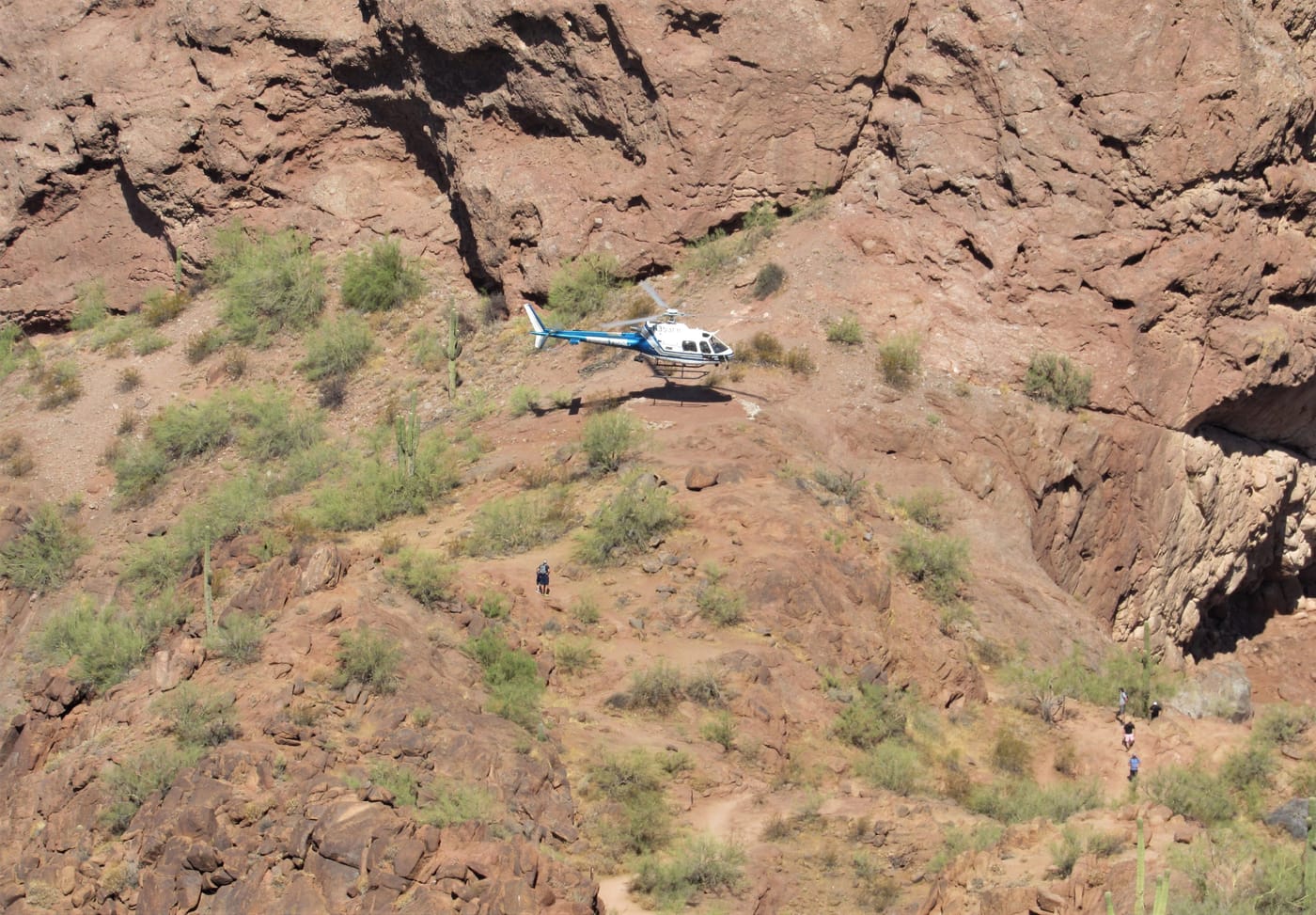
The Pacific Crest Trail outbreak is the most visible recent example, but wastewater surveillance captures a broader picture. The Stanford-Emory WastewaterSCAN collaboration — which tracks viral particles in sewage systems to detect community spread before clinical cases are reported — shows norovirus circulating at elevated levels across most of the country.
Norovirus outbreaks have been reported in multiple settings this spring: restaurants, cruise ships, healthcare facilities, schools, and, as the trail hikers discovered, outdoor recreational spaces. The virus doesn't distinguish between environments as long as the conditions for transmission exist.
Why Norovirus Is So Hard to Stop
Norovirus is one of the most efficient pathogens in terms of transmission. As few as 18 viral particles are enough to cause infection — a number so small it's invisible to the naked eye and easily transferred through contaminated surfaces, food prepared by infected individuals, or close contact with a sick person.
It can survive on surfaces for days or weeks. It withstands temperatures that would kill most viruses. It remains infectious on produce even after rinsing with water. And — critically — alcohol-based hand sanitizers are significantly less effective against norovirus than they are against most other pathogens, because the virus lacks the outer lipid envelope that alcohol destroys.
Standard hand sanitizer, the kind at every restaurant entrance and office lobby, is not your primary defense here.
What Actually Works
Thorough handwashing with soap and water for at least 20 seconds is the most effective prevention — the mechanical action of washing physically removes viral particles from the skin in a way that sanitizer cannot.
For surfaces, bleach-based disinfectants are necessary. Many standard household cleaners are not effective against norovirus. The CDC recommends a solution of 5 to 25 tablespoons of household bleach per gallon of water for cleaning contaminated surfaces.
Staying home when symptomatic matters more with norovirus than with most illnesses — infected individuals can shed viral particles for up to three days after symptoms resolve, meaning returning to work or food preparation too soon is one of the primary drivers of ongoing outbreaks. The incubation period is short (12 to 48 hours), symptoms are sudden and intense, and recovery typically takes one to three days.
The summer timing is unusual. The strain is new. The prevention is old-fashioned: wash your hands properly, and don't go back to work too soon.














