If you or someone you know takes Ozempic, Wegovy, Mounjaro or Zepbound, the FDA just changed the label.
On Nov. 9, the agency ordered the makers of every GLP-1 drug to add a warning about a rare eye condition that can cause sudden, permanent vision loss. The condition is called NAION, short for non-arteritic anterior ischemic optic neuropathy.
The risk is small. The warning is new. And it applies to the whole class of drugs, not just one brand.
What the FDA Ordered
The agency is requiring a new entry in the "warnings and precautions" section of the label for every GLP-1 receptor agonist. CNN reported that the list includes Ozempic, Wegovy and Rybelsus (semaglutide), Mounjaro and Zepbound (tirzepatide), Victoza and Saxenda (liraglutide), Trulicity (dulaglutide) and the newer oral drug Foundayo (orforglipron).
NAION cases have been reported for every GLP-1 drug on the market, the FDA said. Eli Lilly noted that the notice applies to all medicines in the class and doesn't point to findings specific to its drugs.
What NAION Is
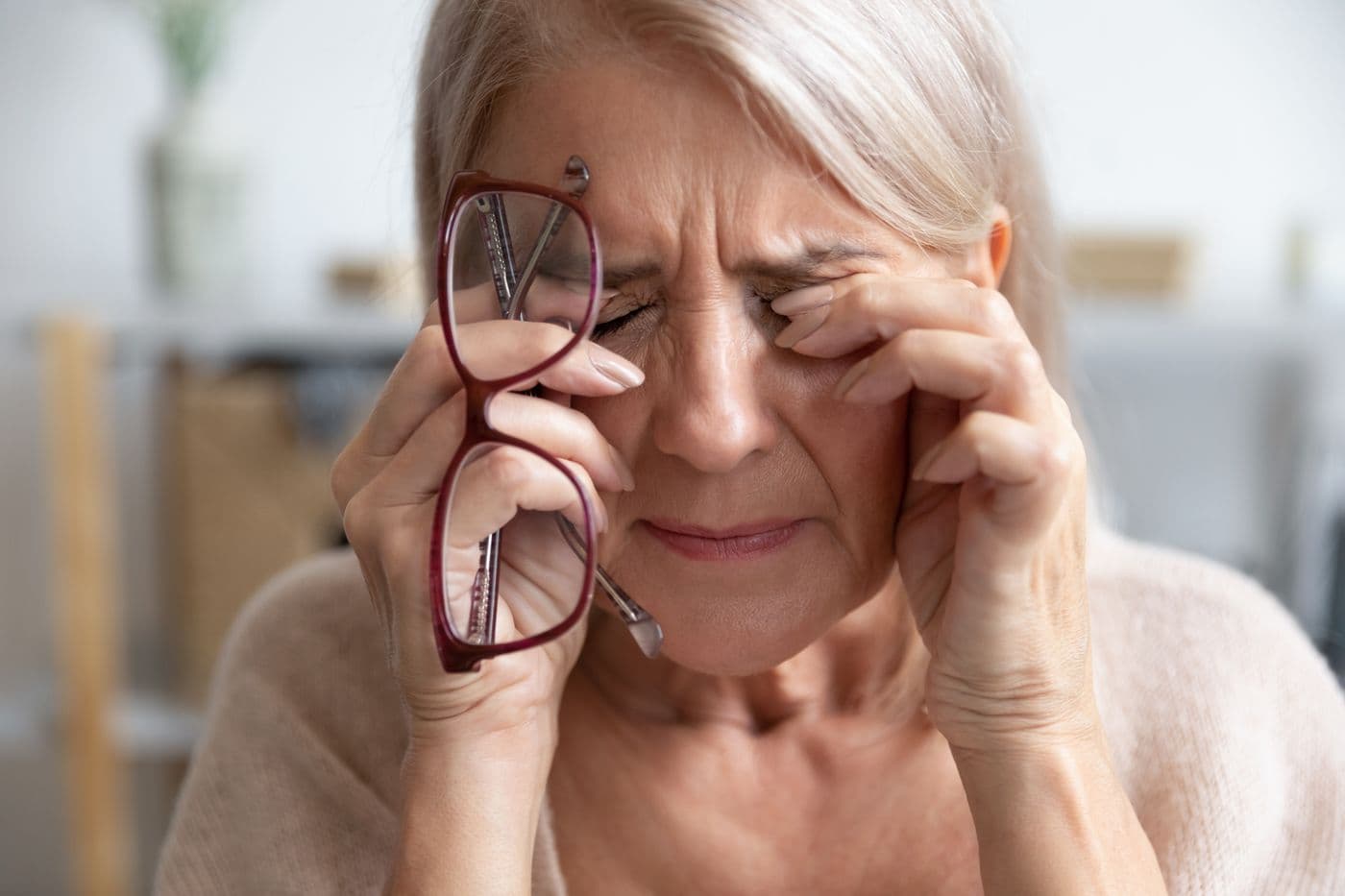
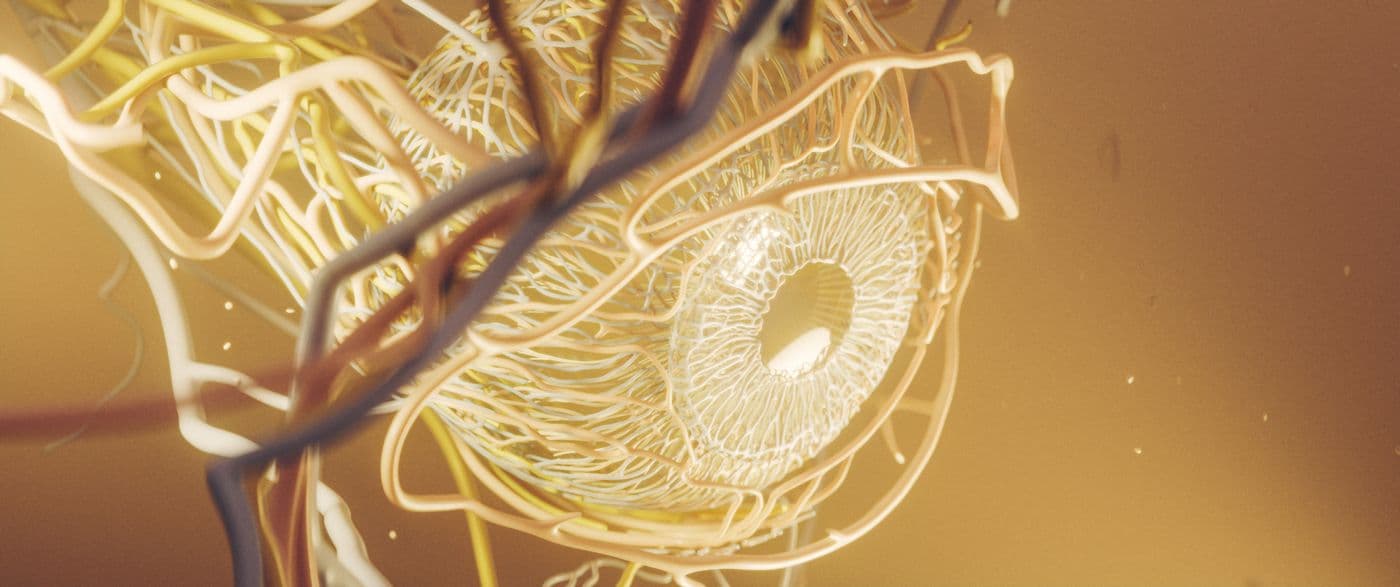
NAION happens when blood flow to the optic nerve is reduced or blocked. The result is sudden, painless vision loss in one eye, and in some cases the loss is permanent.
The FDA tells patients to watch for vision loss that's often noticed on waking, blurred or missing areas of vision, color distortion, or reduced central sharpness. Anyone who notices these changes should report them right away and see an eye doctor, according to Ophthalmology Times.
How Big the Risk Is
This is where the numbers matter. The FDA pooled 126 randomized trials covering more than 134,000 patients and found NAION at a rate of 6.4 cases per 100,000 person-years among GLP-1 users, versus 3.8 for patients on a placebo or a different diabetes drug, as Benzinga summarized.
Real-world studies have found a bigger signal. A large 2025 study that tracked nearly 175,000 people with diabetes on semaglutide found their risk of NAION more than doubled after two years, compared with those on other diabetes drugs. Last year, Europe's drug regulator said NAION may affect up to 1 in 10,000 people taking semaglutide for a year or longer.
The FDA itself said no single source of data settled the question. The agency's analysis of the clinical trials included only 15 probable cases, and a review of animal data found no mechanism that would explain how the drugs might cause it.
Why It's Hard to Pin Down
Many of the people who take GLP-1 drugs already have risk factors for NAION, including type 2 diabetes, obesity, sleep apnea and high blood pressure. That makes it difficult to separate the effect of the drug from the effect of the conditions it treats.
The signal has been building for a while. A July 2024 study in JAMA Ophthalmology first raised the alarm about semaglutide, and the UK's drug regulator issued similar guidance in February. Four patients in Denmark who lost vision after using Novo Nordisk's drugs were granted compensation last year.
What to Do If You Take One
Don't stop a prescribed medication on your own. If you take a GLP-1 drug and have questions about your eye health, or any history of vision problems, bring it up with your prescriber at your next visit.
If you notice sudden changes in your vision, especially when you wake up, don't wait. Call an eye doctor. NAION is rare, but sudden vision loss in one eye is always worth a same-day call.