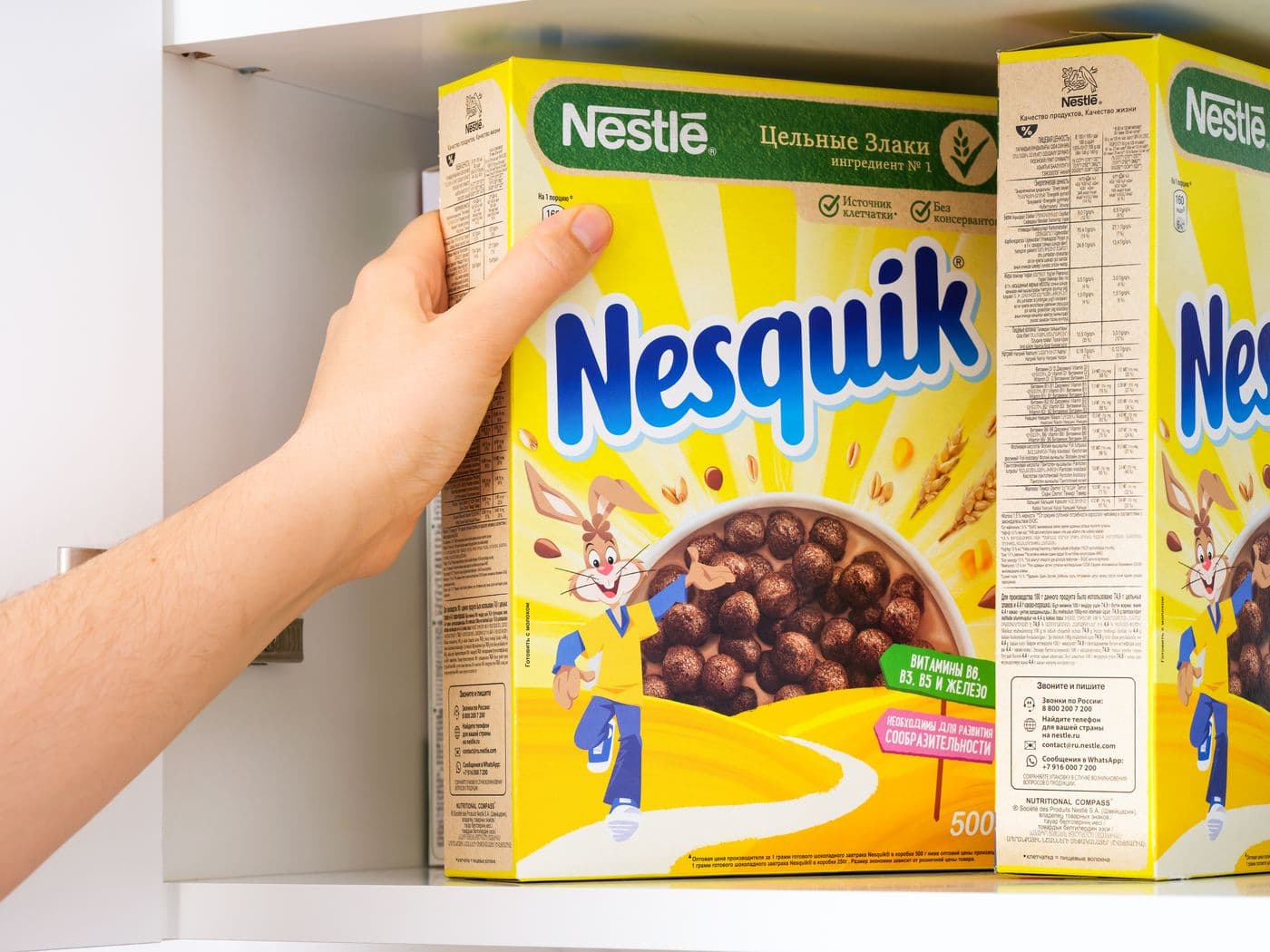
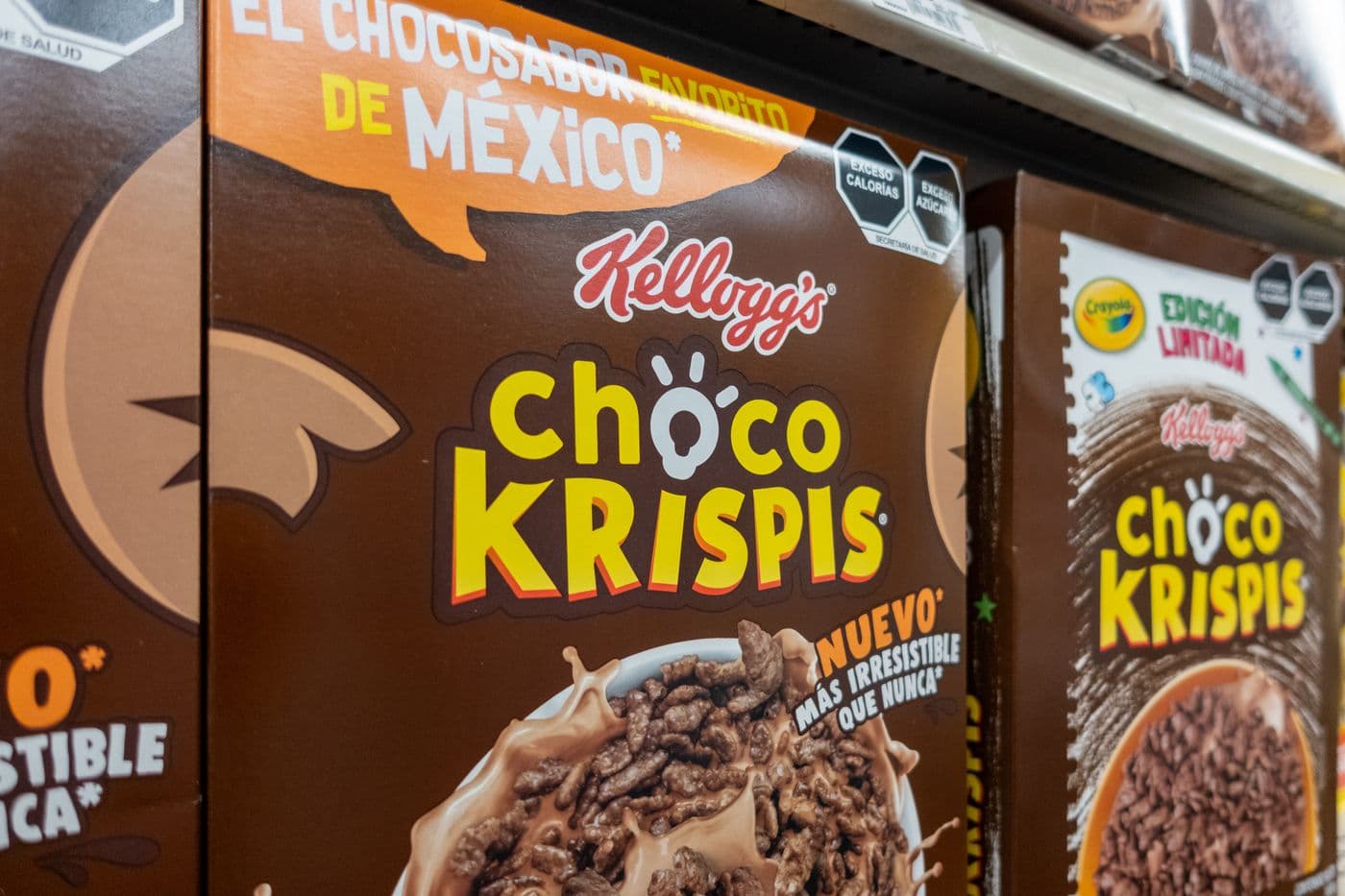
Twelve of the 13 chocolate cereals tested in a recent study had detectable lead.
The nonprofit Clean Label Project bought 77 breakfast cereals, from the sugary classics to boxes marketed as natural and healthy, and sent them to a lab. Cereals made with chocolate, cocoa or cacao typically had more than twice as much lead as cereals without those ingredients.
If there's a chocolate cereal in your pantry right now, here's what the testing actually shows, and what it doesn't.
What the Study Found
Clean Label Project released the results on Aug. 18. The lab tested for arsenic, lead, acrylamide, glyphosate and other pesticide residues across cereals from major manufacturers, store brands and "better for you" labels.
The headline findings:
Cereals containing cocoa, chocolate or cacao typically had more than twice the lead of non-chocolate cereals. Detectable lead turned up in 12 of the 13 chocolate cereals tested.
Rice-based cereals had about 12 times more arsenic per serving than the rest of the category. Acrylamide, a chemical formed when starchy foods are cooked at high heat, showed up in all but one cereal, and levels varied by as much as 21-fold from product to product.
Why Chocolate
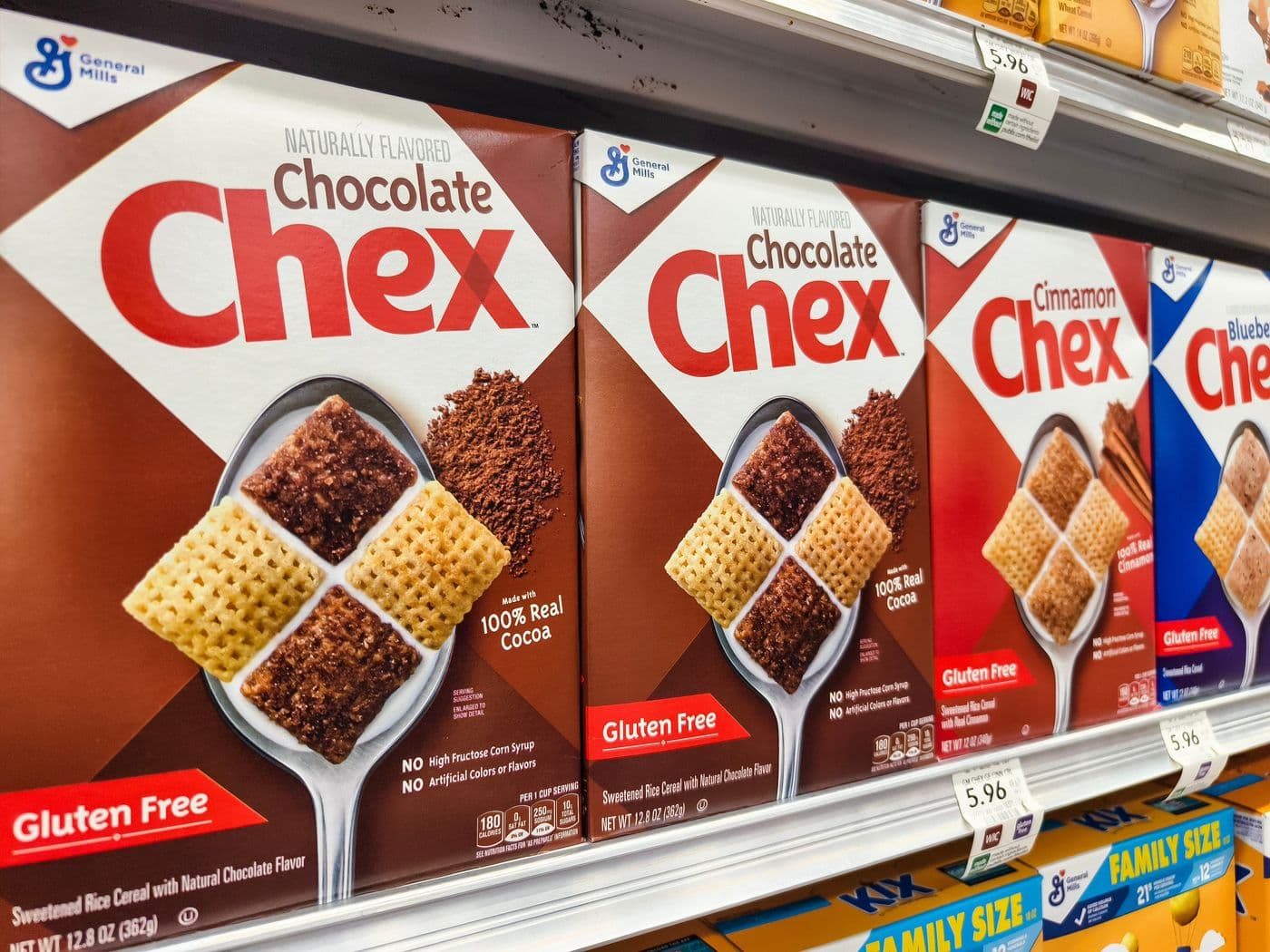
The study points to the ingredient. Cocoa is a known source of lead, which can get into the plant through soil. That fits what the testing showed: it was the chocolate cereals, not the cereal category as a whole, that stood out.
Arsenic follows a similar logic. Rice plants are especially good at absorbing arsenic from soil and water, which explains why rice-based cereals landed at the top of that list.
Detectable Doesn't Mean Dangerous
This part matters, and it gets lost in headlines. Appearing on the list doesn't mean a cereal exceeded a safety limit. Industry coverage of the study notes that the products tested weren't necessarily out of compliance, and Clean Label Project itself says contaminant testing is only one piece of a cereal's overall health profile.
The "twice as much" figure is also relative. It compares chocolate cereals to the others in the same test. It doesn't tell you how much lead a child gets from a bowl.
The Twist: Healthy Didn't Mean Cleaner
Here's the part worth repeating at the dinner table. Many of the least nutritious cereals in the study, the ones with more added sugar and more processing, tested lower for contaminants overall. Plant-based ingredients can carry more exposure to heavy metals from soil and farming, so some of the "wholesome" boxes didn't come out ahead.
Only four of the 77 cereals passed every screening: Arrowhead Mills Puffed Kamut, Lovebird Cinnamon O's, Love Grown Power Os Original and Three Wishes Cinnamon. Clean Label Project named them to its 2026 Back-to-School Honor Roll, which weighs ingredient quality and nutrition along with contaminants.
What You Can Do With This
You don't need to clear the pantry. A few easy moves:
Check the ingredient list for cocoa, chocolate or cacao if lead is the concern. Rotate cereals so one box doesn't make up a daily breakfast. And if you want the full results, Clean Label Project's report card lists what it tested.
The group's own message is that families shouldn't have to pick between good nutrition and lower contaminants. It's aimed at manufacturers, who it says have room to improve on both.