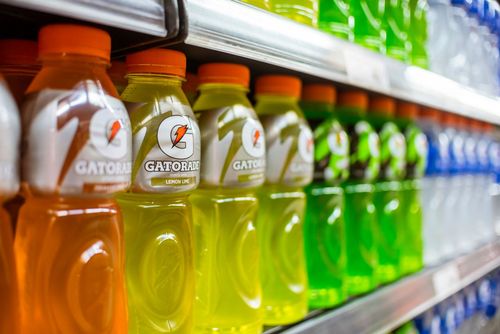
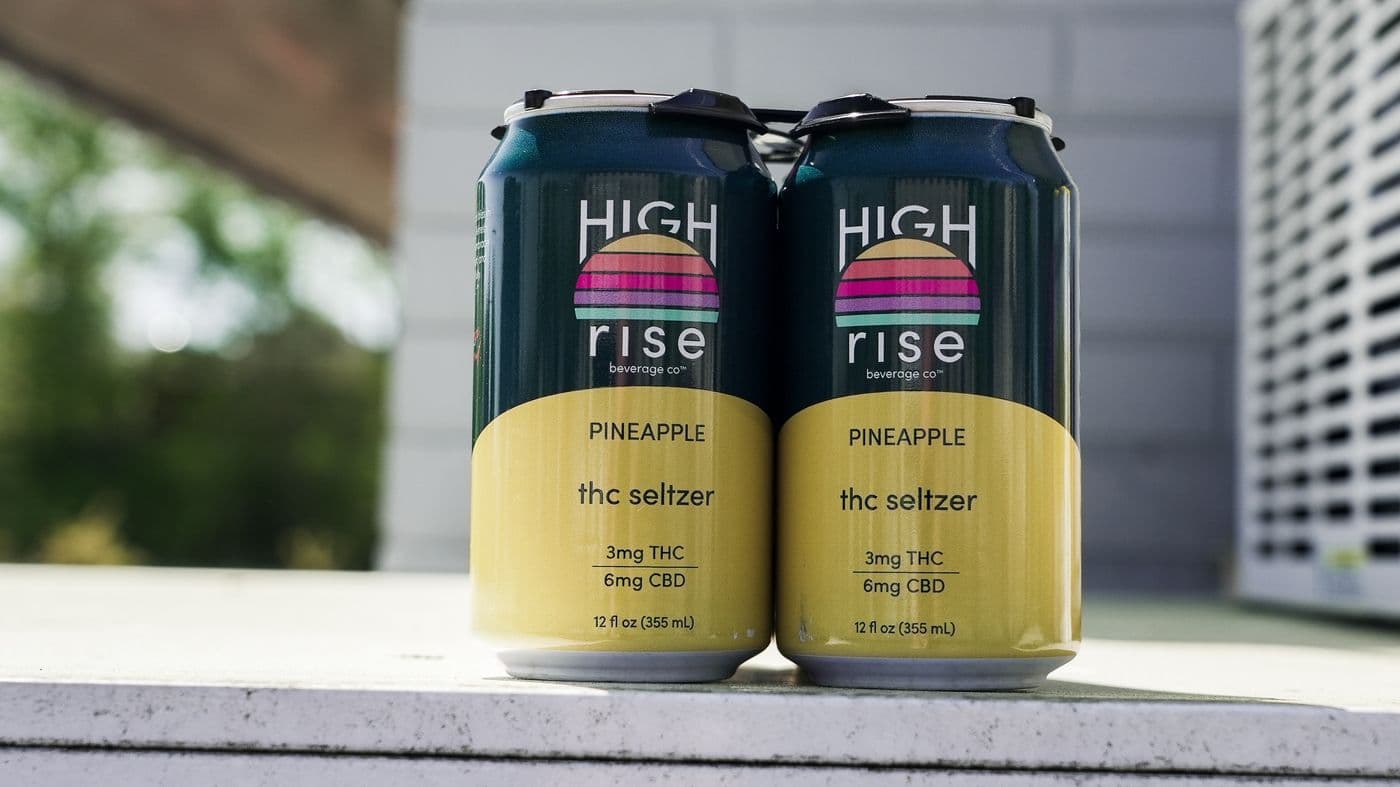
If you've ever picked up a hemp gummy at a gas station, a THC seltzer at a liquor store, or a bottle of CBD oil at the mall, a federal law is about to change what's on those shelves.
Congress passed a ban on most hemp-derived THC products last year, and it takes effect on Dec. 11. The cap is 0.4 milligrams of THC per container. That is such a tiny amount that thousands of products sold today will cross it, including some that were never meant to get anyone high.
Here's what's changing, and how to tell whether your product is affected.
The Two Dates
The ban comes in two steps. On Nov. 12, products made with lab-created cannabinoids that the cannabis plant can't produce on its own, such as THC-O acetate, lose their federal hemp status.
The main ban hits on Dec. 11. It was originally set for Nov. 12, but a stopgap spending bill pushed it back a month to give Congress time to write a regulatory framework. Congress hasn't passed one.
What the 0.4 Milligram Rule Means
The 2018 Farm Bill made hemp legal by defining it as cannabis with no more than 0.3% delta-9 THC by dry weight. That loophole let a huge market grow: gummies, drinks, vapes and flower made from hemp but strong enough to affect people.
The new law replaces that test. Under the new definition, hemp products can contain no more than 0.4 milligrams of total THC per container. "Total" means all forms of THC count, including the kinds that convert into delta-9. "Container" means the innermost package touching the product, so a bottle of 30 gummies counts as one container.
According to CNN, any hemp product over that line will be classified as a Schedule I narcotic.
What's on the List
Hemp-derived gummies and edibles, THC drinks, vapes, delta-8 products and THCA flower are the main targets. Nearly every intoxicating hemp product now sold at retail will exceed 0.4 milligrams per container.
The part that surprises people is CBD. Many "full spectrum" products contain trace amounts of THC, and CNN reports that anything labeled full spectrum will almost certainly fall into the banned category. Wellness products with no intention of getting anyone high can be swept up by the same cap.
What Isn't Affected
Industrial hemp fiber and grain are unaffected. So are products that stay under the cap, which generally means CBD isolate products and others with no measurable THC.
Products sold through state-licensed cannabis programs also follow a separate legal route. Hemp-derived products sold at gas stations, grocery stores and online are the ones facing the cliff.
How to Check Your Product
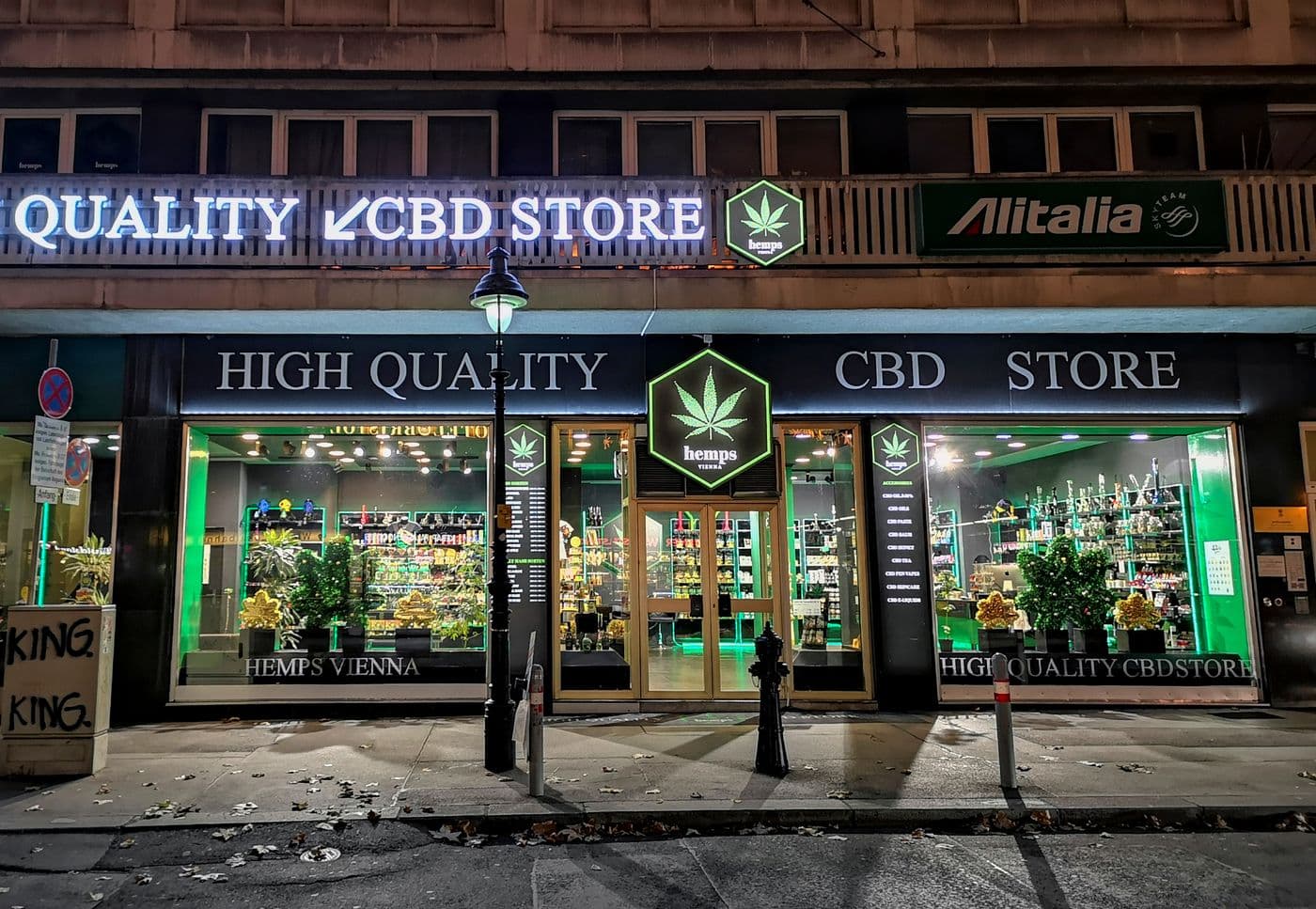
Look at the label. A product should list how much of each cannabinoid it contains. Add up the THC and compare it to 0.4 milligrams for the whole container.
If a product says "full spectrum," or lists delta-8, delta-9, THCA or THC-O, assume it's at risk. If the label doesn't show cannabinoid amounts at all, that's a red flag in itself, and the company's website or lab report should say.
What Happens Next
Advocates are pushing back, and the ban has already been delayed once. Retailers and manufacturers say they can't comply, and some customers say the products help them. Whether Congress changes anything before Dec. 11 is an open question.
If you buy hemp or CBD products, it's worth knowing the date. Shelves will start emptying before it arrives.