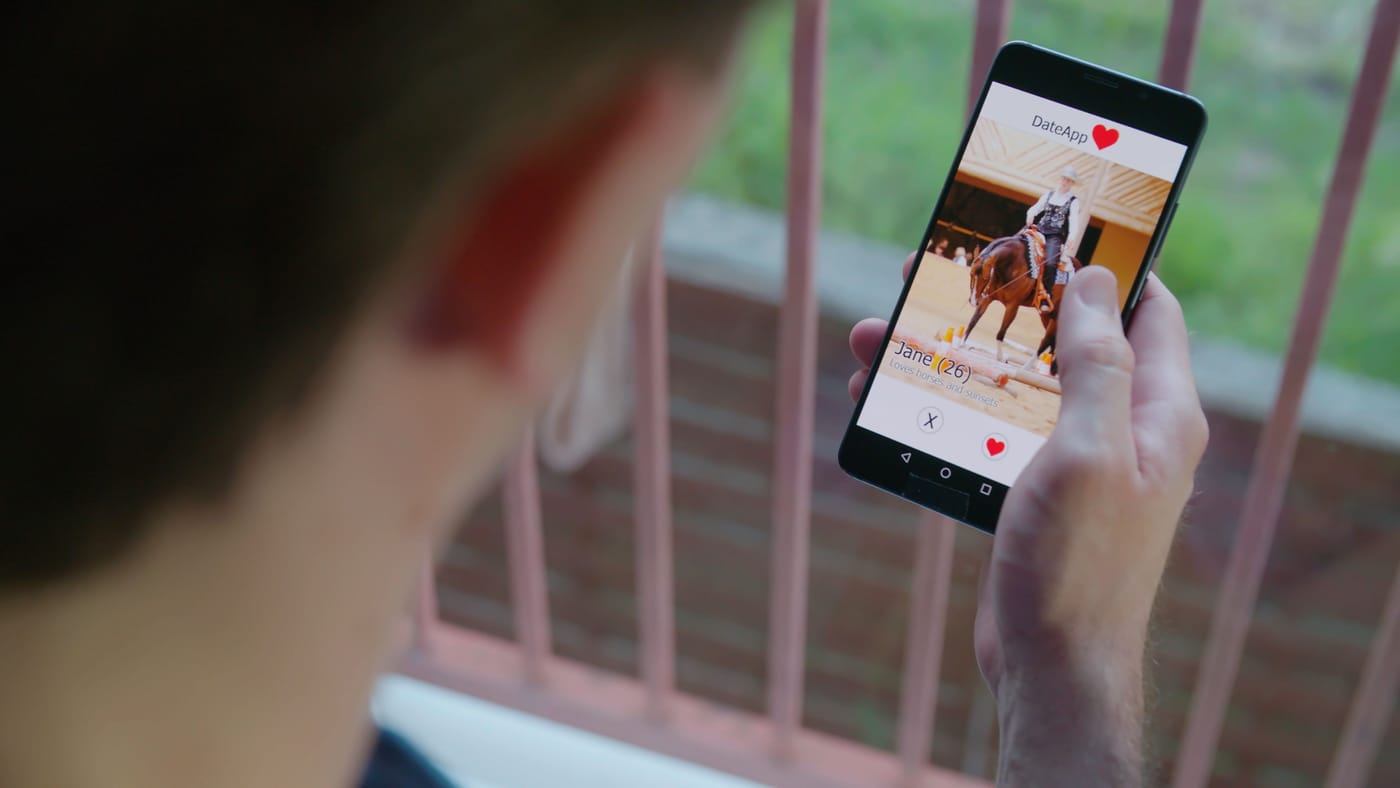
Catfishing — creating an entirely fake identity to deceive someone online — gets most of the attention. The more common, more uncomfortable version has a name too: kittenfishing. And according to dating experts and USA Today's recent breakdown of the trend, if you've ever been on a dating app, odds are you've been on both ends of it.
Kittenfishing is the minor deception deployed at the profile stage to appear more attractive — not a wholesale fabrication, but a careful edit. An inch added to a height listing. A photo from five years and one job ago. A "fluent in French" that should say "took two semesters." A job title that's technically accurate if you use it loosely.
It's Smaller Than Catfishing. The Damage Isn't.
The name positions it as the harmless little sibling of catfishing. The consequences, dating coaches say, are less harmless than they feel.
"Starting things off with a small deception, however innocent it feels, erodes trust before you've even had a chance to build it," says Damona Hoffman, a dating coach. The problem isn't the gap between the profile and the person — it's what happens when those two things meet in the real world. Every first date between a kittenfisher and their match is already carrying a correction that hasn't happened yet. The person across the table from you is quietly recalibrating. What seemed like a small lie at the keyboard becomes a social debt to pay in person.
"If you are kittenfishing too hard, you are going to set yourself up for disappointment," Hoffman adds, "because when you actually meet the person, you will not be what they expected."
The Profile vs. the Person

The specific lies are remarkably consistent across gender and age. Height is the most common for men — the extra inch or two that puts someone just over a socially significant threshold. Photos are the most common across the board: a profile dominated by images from years or pounds ago, or angles that require a photographer's patience to recreate. Job titles get embellished. Educational credentials get rounded up.
The more insidious version is the lifestyle edit — suggesting a social life, an activity level, a cultural fluency that exists mainly in the profile's staging. The person in the photos is always on an adventure. The person who shows up to coffee has a less exciting Tuesday.
You're Probably Doing It Too
The self-recognition here runs in both directions. Most people who have been kittenfished have also done it. The adjustments feel reasonable at the time: you're putting your best foot forward, presenting yourself favorably, making sure the profile represents who you're working toward being rather than exactly who you are today.
Kittenfishing is what happens when "best foot forward" becomes the only foot you show. The photo isn't a lie exactly — it's just the most flattering version of a truth. The height is aspirational. The job title is approximately right. Each individual choice feels justifiable; the aggregate picture is a portrait of someone who doesn't quite exist.
Why People Do It: The Scarcity Mindset

Dating coach Damona Hoffman links the behavior to something broader happening in the culture around dating. "It also points to the scarcity mindset that's prevailing in the culture right now," she says. "Daters are losing hope, think there's no good partners out there, and that it's harder than ever to meet someone viable, let alone feel a connection."
Kittenfishing is, in that reading, a symptom of anxiety rather than deception. The small lies aren't really about tricking anyone. They're about believing that the unedited version of you won't be enough — and betting that by the time someone finds out, they'll already like you enough not to care.
The research on whether that bet pays off is not encouraging. But it doesn't stop most people from making it.