
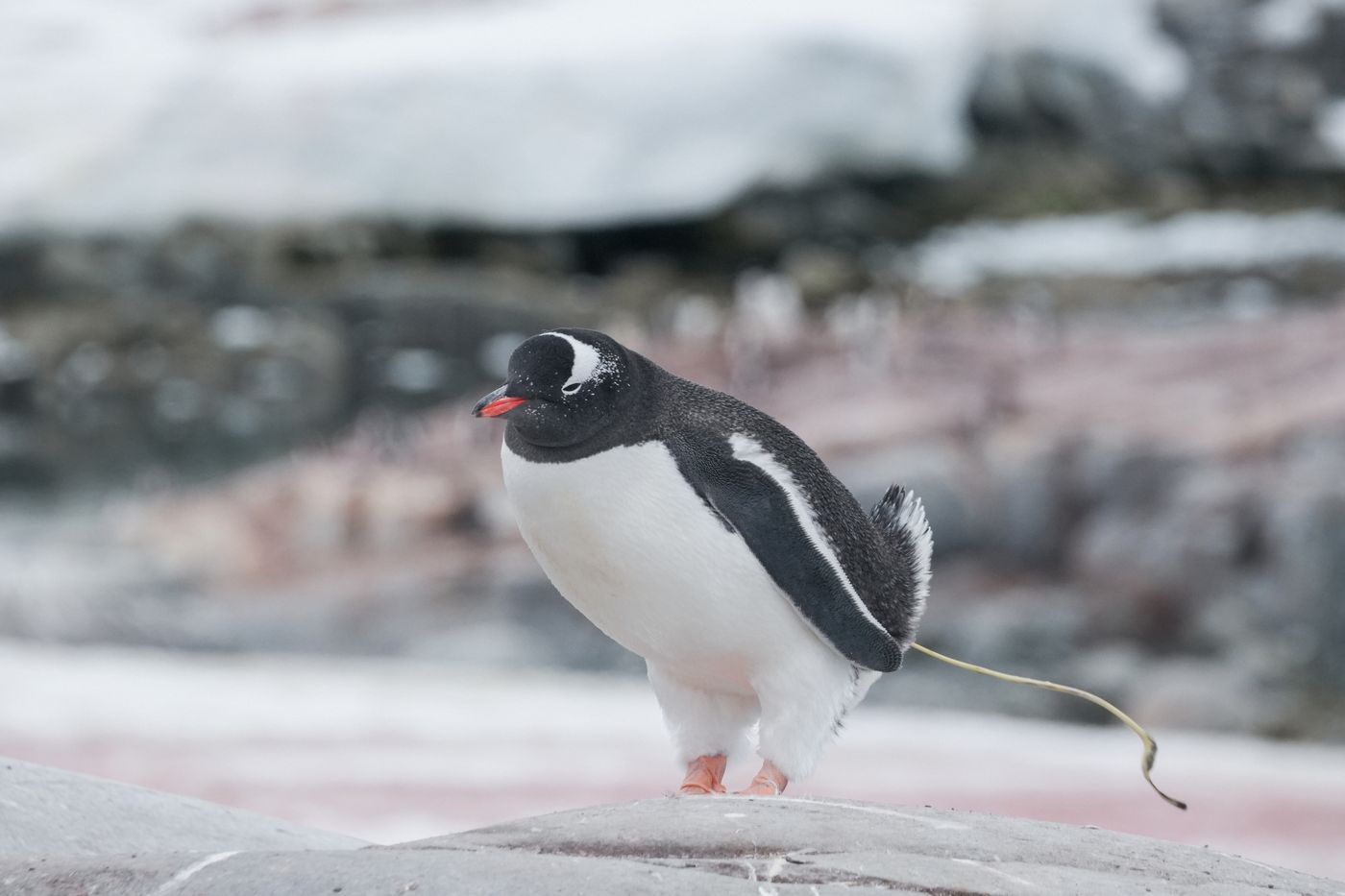
In 2026, researchers at Stony Brook University and Clemson University published a study in Current Biology with a premise that sounds like a joke but produced genuinely alarming results: they figured out what penguins across all of Antarctica have been eating for the past 30 years by reading the color of their excrement from space.
It worked. And what they found out is concerning.
The Science Behind Reading Penguin Poop From Space
The tool was NASA's Landsat satellite, which has been photographing Earth's surface continuously since the early 1970s. When you look at Adélie penguin colonies from space, you can see their guano — the accumulated waste that forms a distinctive stain visible even from orbit. What the research team realized was that the color of that guano carries information.
Adélie penguins eat two primary foods: Antarctic silverfish and krill. Silverfish produce whiter guano; krill — small, bright pink crustaceans — produce distinctly pink excrement. By analyzing the color gradient across 30 years of satellite imagery at colonies across nearly the entire Antarctic continent, the researchers could reconstruct what each colony had been eating, and how that had changed over time.
"We spied on penguins from space by using satellite images to figure out what they eat all around Antarctica," said Casey Youngflesh, assistant professor at Clemson University. "This is the first time this approach has been used to capture food-web dynamics at a continental scale."
What the Colors Revealed
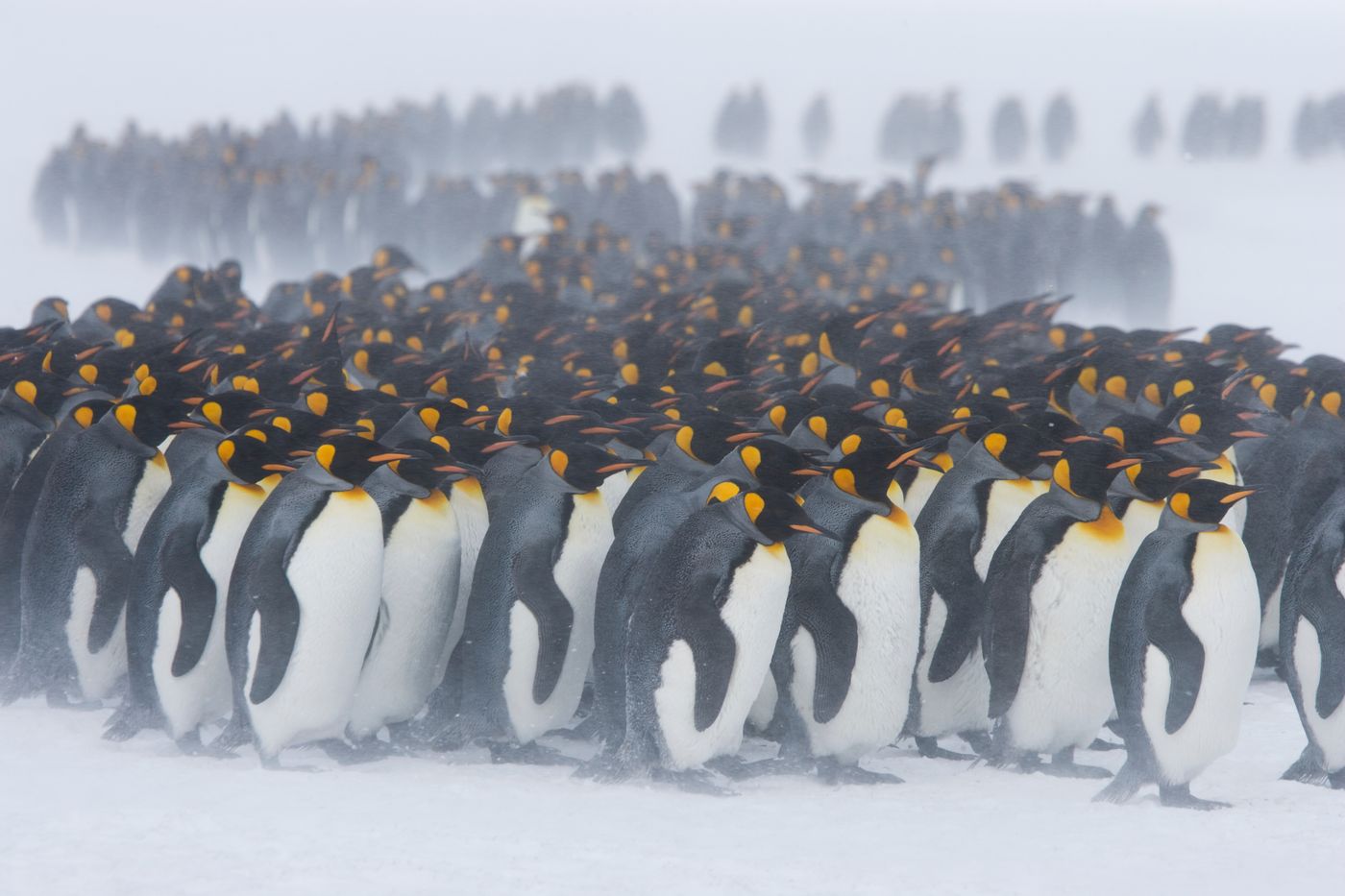
The pattern that emerged from the data is straightforward and troubling. In regions and years with more sea ice, Adélie penguins eat more fish. In regions and years with less sea ice, they eat more krill.
This is a problem for the penguins, and it compounds in ways that aren't immediately obvious.
Fish is more nutritious for penguins than krill. Chicks raised in fish-heavy feeding seasons tend to be larger and have better survival outcomes. When colonies shift to krill-dependent diets, the effects on breeding success follow. The satellite data allowed the researchers to connect dietary shifts directly to population trends across the continent — something that would have been impossible without the decades of consistent imagery.
The krill problem runs deeper still. Krill populations in parts of Antarctica are also declining — the result of both climate change and the recovering populations of whales and seals, who compete for the same food source. As sea ice shrinks and krill becomes both more relied upon and less available, the squeeze on penguin populations becomes harder to escape.
Why This Method Changes What We Can Learn
The significance of the study isn't only in what it found about penguins. It's in what it demonstrated was possible.
Previous dietary studies of penguin colonies required researchers to physically be present — collecting guano samples, analyzing stomach contents, observing individual birds. This is labor-intensive, expensive, and necessarily limited in scope. A team can study one colony, or a handful. The new method covers virtually all of Antarctica simultaneously, across decades of continuous data that has been sitting in archives waiting to be used differently.
"Satellites enabled us to do something that would otherwise be impossible," Youngflesh said. "We could essentially read dietary patterns across the continent."
This continental-scale view is specifically what researchers need to understand how climate change cascades through ecosystems. Individual colony studies miss the connections between populations, the geographic variation in sea ice, and the long-term trend lines that only become visible across decades. Penguin poop provided a proxy that made all of that visible at once.
What It Tells Us About Antarctica
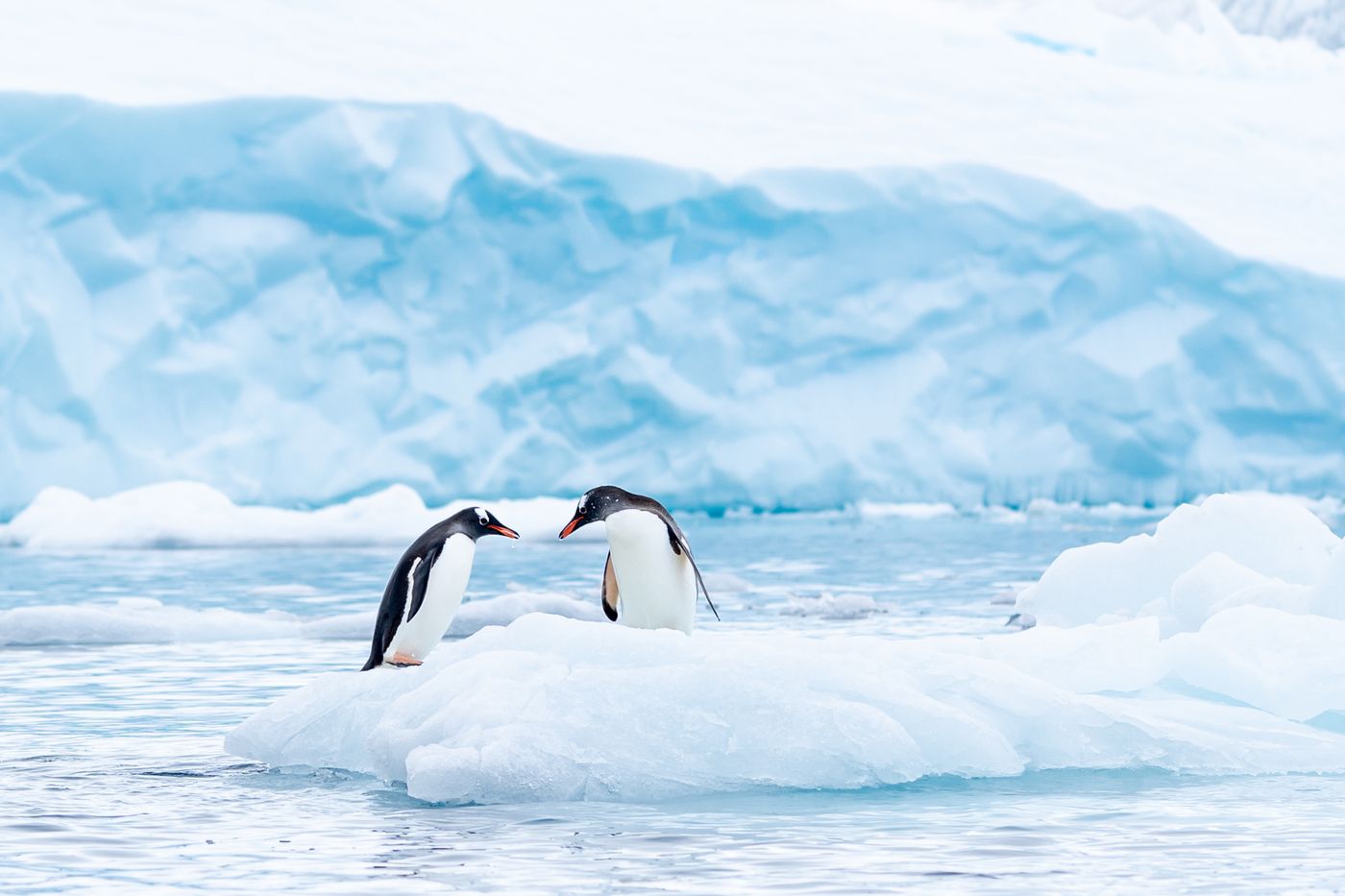
Adélie penguins are what ecologists call a sentinel species — an animal whose wellbeing tracks the health of its broader ecosystem closely enough that changes in their population and behavior serve as an early warning for wider problems.
"As sea ice dynamics change through time, we expect those changes to cascade through the food web," said Youngflesh. The penguin data confirms that process is already underway. Where ice declines, diet shifts. Where diet shifts, breeding outcomes follow. Where breeding outcomes follow, populations change. The satellite data connects those links across the whole continent in a way that leaves little ambiguity about what the trend line is pointing toward.
Antarctica is changing faster than almost anywhere on Earth. Penguins are tracking those changes in real time, continent-wide, in the color of their excrement. Satellites are reading it. The findings are as clear as the imagery.














