

Harvard Medical School researchers analyzed death certificate data from more than 12 million Americans across 503 distinct occupations. They wanted to know which jobs carried the highest risk of dying from cancers caused by radiation exposure.
Nuclear plant workers didn't come out on top. Radiologists didn't. X-ray technicians didn't. People who literally work with radioactive materials for a living ranked lower than the two occupations that topped the list.
Flight attendants ranked first. Pilots ranked second. The study, published today in JAMA Internal Medicine, is the largest of its kind ever conducted on this question.
The Numbers
Flight attendants had approximately 50% higher odds of dying from a radiation-related cancer than the general working population. Pilots had 36% higher odds. These are not marginal statistical differences — they are among the largest occupational cancer risk elevations in the entire dataset.
The specific cancers that showed elevated death rates: breast cancer, central nervous system tumors, prostate cancer, melanoma, and leukemia. Flight attendants and pilots showed higher death rates from every category of radiation-linked cancer in the study. Neither group showed elevated death rates from cancers not linked to radiation exposure — which the commentary authors said "supports the hypothesis that occupational radiation exposure, rather than lifestyle or socioeconomic factors, underlies the observed excess."
In other words: it's not that flight crews eat worse or exercise less. It's the radiation.
What's Happening at 35,000 Feet
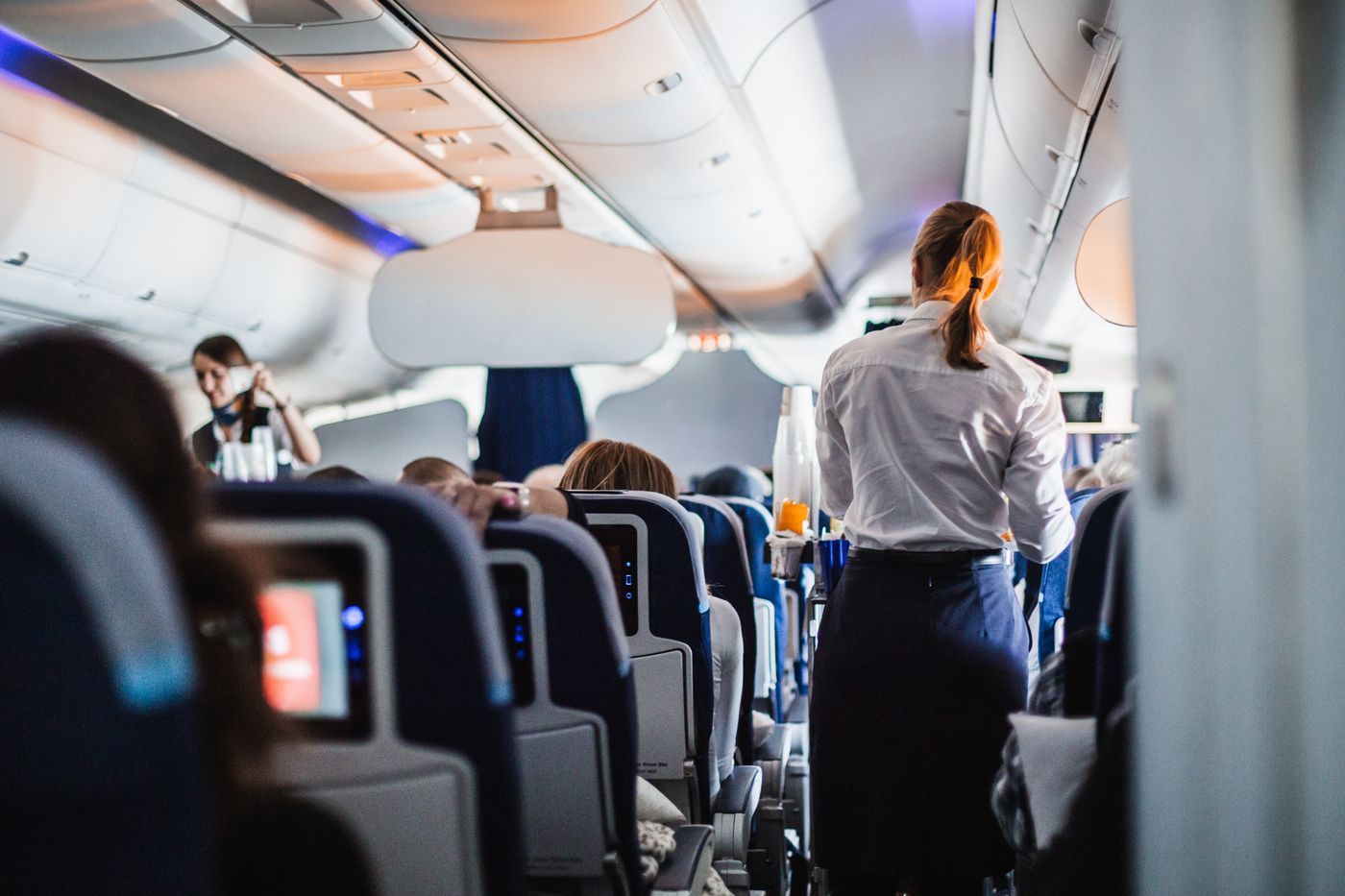
Cosmic radiation originates from space — high-energy particles produced by the sun and other galactic sources. At sea level, the Earth's atmosphere absorbs almost all of it. At cruising altitude, where commercial flights operate, the shielding is dramatically thinner. Aircrew members flying long-haul routes at high latitudes — where Earth's magnetic field provides less protection — accumulate the highest exposures.
Research shows that aircrew receive the largest annual effective dose of ionizing radiation of any workforce in the United States. A pilot flying 900 hours per year may absorb 4-5 millisieverts of radiation annually. For comparison, the average American receives about 3 millisieverts per year from all sources combined.
A transatlantic passenger receives roughly 0.05-0.08 millisieverts per flight — meaningful if you fly constantly, negligible if you fly occasionally. The risk is dose-dependent, and the doses that produced the findings in this study are occupational: accumulated over years of flying every day.
The Regulatory Gap Nobody Wants to Name
Here is the part of this story that the aviation industry has preferred not to discuss: the Federal Aviation Administration formally recognizes pilots and flight attendants as occupationally exposed to ionizing radiation. This recognition is official. It is documented.
Unlike workers in nuclear power plants, nuclear fuel facilities, and industrial radiography — who are subject to federal dose limits and mandatory exposure monitoring — US aircrew have no federal dose limits and no monitoring requirements. Workers who handle radioactive materials are legally constrained in how much radiation they can absorb per year. The people serving drinks at 38,000 feet are not.
Other countries have addressed this. The European Union mandates radiation monitoring for aircrew. Canada has regulatory frameworks. The US has a formal acknowledgment that the exposure exists and nothing further.
Sara Nelson, who leads a union representing 55,000 flight attendants, said the research reinforces a long-standing concern: "Radiation exposure needs to be taken seriously as an occupational hazard for all crew members."
What This Means If You Fly But Don't Work in Aviation
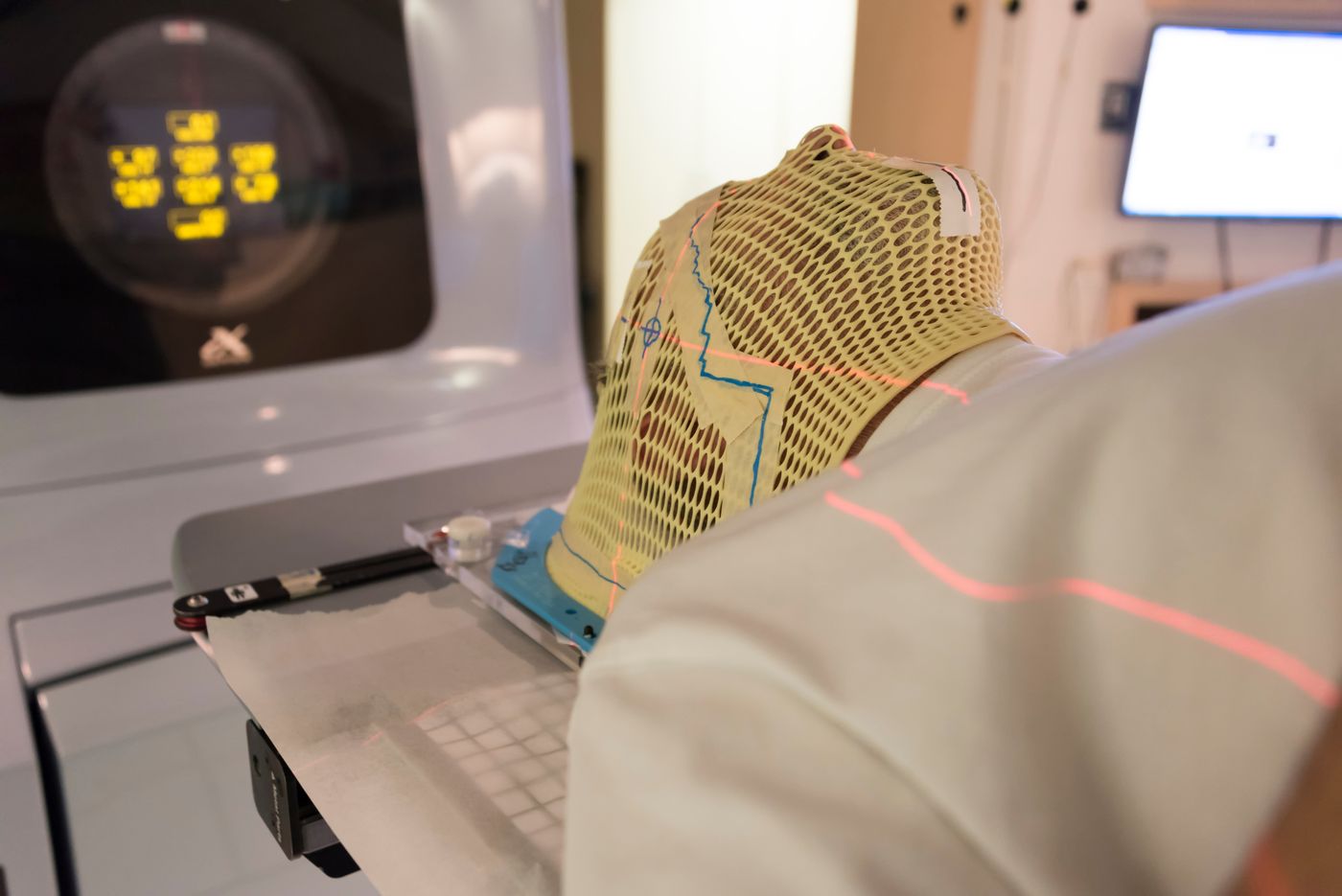
The study is specifically about occupational exposure — the accumulated dose from years of daily flying. A business traveler who flies 50-60 times per year accumulates a small fraction of what a career flight attendant does, and the research findings don't directly apply to occasional passengers.
The relevant implication for frequent travelers: the more you fly, the more you accumulate, and there is no threshold at which additional exposure is trivially safe. High-latitude routes (New York to London, Los Angeles to Tokyo) carry higher exposure than routes closer to the equator.
For pilots and flight attendants themselves, the researchers and commentary authors were explicit: annual skin examinations are warranted, women in aviation careers should consider earlier or more frequent mammograms, and physicians treating these patients should maintain a heightened alertness for radiation-linked cancers.
"Based off of prior studies, I expected flight attendants and pilots would have an elevated proportion of cancer deaths, but the rank order — seeing those occupations above all others — was pretty surprising," said lead author Vishal Patel of Harvard Medical School.
The person who briefed you on the exit row just absorbed more cosmic radiation on this flight than a nuclear plant worker absorbed this month at work. And nobody is required to track it.














